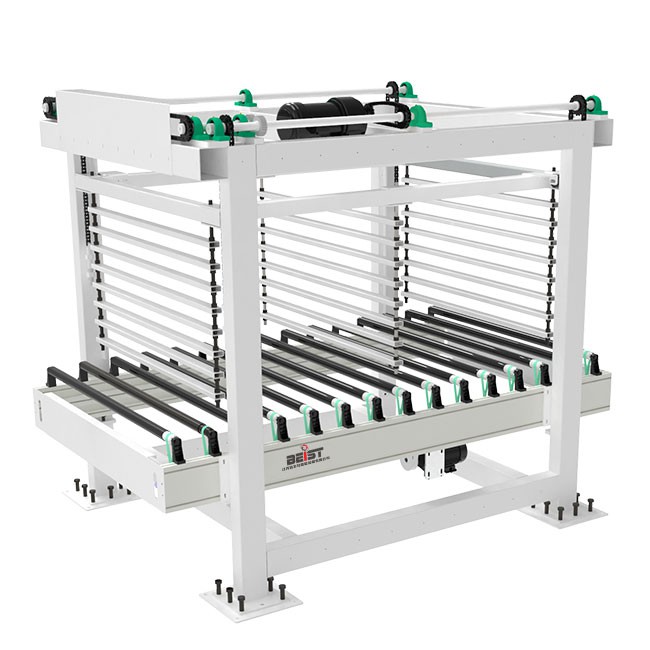
As a supplier of cross conveyors, understanding the lubrication requirements for these essential pieces of equipment is crucial. Cross conveyors play a vital role in various industries, facilitating the efficient movement and transfer of materials across different production lines or storage areas. Proper lubrication is not only necessary for the smooth operation of cross conveyors but also for extending their service life and reducing maintenance costs.
Why Lubrication is Essential for Cross Conveyors
Cross conveyors consist of multiple moving parts, including rollers, chains, bearings, and gears. These components are subject to friction and wear during operation, which can lead to increased energy consumption, reduced efficiency, and even premature failure. Lubrication serves several key functions in mitigating these issues:
- Reducing Friction: Lubricants create a thin film between moving surfaces, reducing the coefficient of friction and minimizing wear. This allows the conveyor to operate smoothly with less resistance, leading to lower energy consumption and longer component life.
- Preventing Corrosion: In industrial environments, cross conveyors are often exposed to moisture, chemicals, and other corrosive substances. Lubricants can act as a protective barrier, preventing rust and corrosion from damaging the conveyor's components.
- Dissipating Heat: Friction generates heat, which can cause components to expand and wear out more quickly. Lubricants help to dissipate heat, keeping the conveyor's temperature within acceptable limits and preventing thermal damage.
- Sealing and Contaminant Exclusion: A proper lubrication system can help to seal the conveyor's components, preventing dirt, dust, and other contaminants from entering and causing damage. This is particularly important in environments where cleanliness is critical, such as food processing or pharmaceutical manufacturing.
Lubrication Requirements for Different Components
Rollers
Rollers are one of the most critical components of a cross conveyor, as they are responsible for supporting and moving the conveyed materials. The lubrication requirements for rollers depend on several factors, including the type of roller (e.g., powered or non-powered), the operating conditions (e.g., temperature, load, and speed), and the type of lubricant used.
- Powered Rollers: Powered rollers are typically driven by a motor and require regular lubrication to ensure smooth operation. The lubricant should be selected based on the roller's speed, load, and temperature requirements. For high-speed applications, a synthetic lubricant with good anti-wear properties may be required. For applications with heavy loads or high temperatures, a lubricant with high viscosity and thermal stability may be necessary.
- Non-Powered Rollers: Non-powered rollers, also known as idler rollers, do not require as much lubrication as powered rollers. However, they still need to be lubricated periodically to prevent corrosion and ensure smooth rotation. A light oil or grease can be used for non-powered rollers.
Chains
Chains are commonly used in cross conveyors to transfer power from the motor to the rollers or other components. Proper lubrication of chains is essential for preventing wear, reducing noise, and ensuring reliable operation.
- Chain Type: There are several types of chains used in cross conveyors, including roller chains, conveyor chains, and silent chains. Each type of chain has different lubrication requirements, so it is important to select the appropriate lubricant based on the chain's design and application.
- Lubrication Method: Chains can be lubricated using various methods, including manual lubrication, drip lubrication, and automatic lubrication systems. Manual lubrication involves applying lubricant to the chain using a brush or spray. Drip lubrication uses a device to dispense a controlled amount of lubricant onto the chain at regular intervals. Automatic lubrication systems are the most efficient and reliable method of lubricating chains, as they can continuously supply the correct amount of lubricant to the chain without the need for manual intervention.
Bearings
Bearings are used to support the rotating shafts of rollers, motors, and other components in a cross conveyor. Proper lubrication of bearings is crucial for reducing friction, preventing wear, and ensuring smooth operation.
- Bearing Type: There are several types of bearings used in cross conveyors, including ball bearings, roller bearings, and plain bearings. Each type of bearing has different lubrication requirements, so it is important to select the appropriate lubricant based on the bearing's design and application.
- Lubrication Interval: The lubrication interval for bearings depends on several factors, including the operating conditions (e.g., temperature, load, and speed), the type of lubricant used, and the manufacturer's recommendations. In general, bearings should be lubricated at regular intervals to ensure optimal performance.
Gears
Gears are used to transfer power and motion between different components in a cross conveyor. Proper lubrication of gears is essential for reducing friction, preventing wear, and ensuring smooth operation.
- Gear Type: There are several types of gears used in cross conveyors, including spur gears, helical gears, and bevel gears. Each type of gear has different lubrication requirements, so it is important to select the appropriate lubricant based on the gear's design and application.
- Lubrication Method: Gears can be lubricated using various methods, including splash lubrication, pressure lubrication, and grease lubrication. Splash lubrication involves submerging the gears in a bath of lubricant, which is then splashed onto the gears as they rotate. Pressure lubrication uses a pump to deliver lubricant to the gears under pressure. Grease lubrication involves applying a thick layer of grease to the gears, which provides long-lasting lubrication and protection.
Selecting the Right Lubricant
Selecting the right lubricant for a cross conveyor is crucial for ensuring optimal performance and longevity. When choosing a lubricant, it is important to consider the following factors:
- Operating Conditions: The lubricant should be selected based on the conveyor's operating conditions, including temperature, load, speed, and environment. For example, in high-temperature applications, a lubricant with high thermal stability may be required. In wet or corrosive environments, a lubricant with good corrosion resistance may be necessary.
- Component Type: Different components in a cross conveyor have different lubrication requirements. For example, rollers may require a different type of lubricant than chains or bearings. It is important to select a lubricant that is specifically designed for the component being lubricated.
- Lubrication Method: The lubrication method used will also affect the choice of lubricant. For example, if an automatic lubrication system is used, a lubricant with good flow properties may be required. If manual lubrication is used, a lubricant that is easy to apply may be preferred.
- Compatibility: The lubricant should be compatible with the materials used in the conveyor's components. For example, some lubricants may react with certain types of plastics or rubber, causing damage or degradation. It is important to ensure that the lubricant is compatible with all the materials in the conveyor.
Maintenance and Monitoring
Proper maintenance and monitoring of the lubrication system are essential for ensuring the long-term performance and reliability of a cross conveyor. Here are some key maintenance and monitoring tasks:


- Regular Inspections: Regular inspections of the conveyor's components and lubrication system should be conducted to check for signs of wear, damage, or contamination. Any issues should be addressed promptly to prevent further damage.
- Lubricant Analysis: Periodic lubricant analysis can provide valuable information about the condition of the lubricant and the conveyor's components. Lubricant analysis can detect signs of wear, contamination, or degradation, allowing for proactive maintenance and lubricant replacement.
- Lubricant Replacement: Lubricants should be replaced at regular intervals based on the manufacturer's recommendations and the operating conditions. Over time, lubricants can break down, lose their effectiveness, and become contaminated. Replacing the lubricant at the appropriate intervals can help to ensure optimal performance and prevent premature component failure.
- Training and Education: Proper training and education of the conveyor's operators and maintenance personnel are essential for ensuring the correct use and maintenance of the lubrication system. Operators should be trained on how to identify signs of lubrication problems and how to perform basic lubrication tasks. Maintenance personnel should be trained on how to perform more advanced lubrication system maintenance and troubleshooting.
Conclusion
Proper lubrication is essential for the smooth operation, reliability, and longevity of cross conveyors. By understanding the lubrication requirements for different components, selecting the right lubricant, and implementing a proper maintenance and monitoring program, you can ensure that your cross conveyor operates at peak performance and minimizes downtime and maintenance costs.
If you are interested in learning more about our cross conveyors or have any questions about lubrication requirements, please feel free to [contact us for procurement discussions](insert your actual contact details or call - to - action link). We are committed to providing high - quality cross conveyors and comprehensive support to meet your industrial needs.
References
- Powered Roller Conveyor - Gap
- Powered Roller Conveyor - Fold
- Single Arm Panel Over Turner
- Machinery's Handbook, Industrial Press Inc.
- Lubrication Engineering Handbook, McGraw - Hill Education