As a supplier of E Shape Lift Tables, one question that frequently arises from our customers is whether our E Shape Lift Table can be used in a high-temperature environment. This is a crucial query, especially for industries such as foundries, glass manufacturing, and food processing, where high temperatures are a common occurrence. In this blog post, I will delve into this topic, providing a comprehensive analysis of the suitability of our E Shape Lift Tables in high-temperature settings.
Understanding the E Shape Lift Table
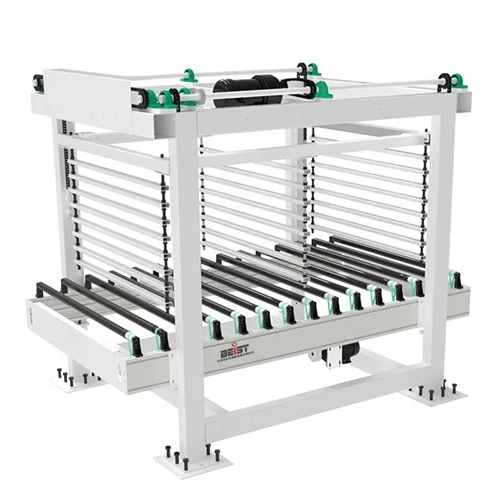
Before we discuss the performance of the E Shape Lift Table in high-temperature environments, let's first understand its basic features and components. Our E Shape Lift Table is a versatile piece of equipment designed for lifting and positioning heavy loads with precision. It is characterized by its unique E-shaped frame, which provides enhanced stability and support during operation. The lift table is typically powered by a hydraulic system, which consists of a hydraulic pump, cylinders, and hoses, and is controlled by an electric motor or a manual valve.
The key components of the E Shape Lift Table, such as the hydraulic fluid, seals, and electrical components, play a vital role in its overall performance. These components are carefully selected and engineered to ensure reliable and efficient operation under normal working conditions. However, high temperatures can have a significant impact on their functionality, which we will explore in the following sections.
Effects of High Temperatures on the E Shape Lift Table
Hydraulic Fluid
The hydraulic fluid is the lifeblood of the hydraulic system in the E Shape Lift Table. It transfers power from the pump to the cylinders, allowing the lift table to raise and lower loads. High temperatures can cause the hydraulic fluid to degrade, reducing its viscosity and lubricating properties. As the fluid becomes thinner, it can lead to increased leakage, reduced efficiency, and premature wear of the hydraulic components. Additionally, the breakdown of the hydraulic fluid can produce harmful by-products, such as sludge and varnish, which can clog the hydraulic system and cause malfunctions.
Seals
Seals are used to prevent the leakage of hydraulic fluid and maintain the integrity of the hydraulic system. In a high-temperature environment, the seals can become brittle and lose their elasticity, leading to increased leakage and potential failure. The heat can also cause the seals to swell or shrink, depending on the material, which can further compromise their sealing performance. Over time, the degradation of the seals can result in reduced lift capacity, erratic operation, and costly repairs.
Electrical Components
The electrical components in the E Shape Lift Table, such as the motor, controller, and sensors, are also susceptible to the effects of high temperatures. Excessive heat can cause the insulation on the electrical wires to deteriorate, increasing the risk of short circuits and electrical fires. The electronic components can also become overheated, leading to reduced performance, malfunction, or permanent damage. Moreover, high temperatures can accelerate the aging process of the electrical components, shortening their lifespan and increasing the likelihood of failures.
Adaptations for High-Temperature Environments
Despite the challenges posed by high temperatures, our E Shape Lift Table can be adapted to operate effectively in such environments. We offer several options and modifications to enhance the heat resistance and durability of our lift tables.
High-Temperature Hydraulic Fluid
We can provide high-temperature hydraulic fluid that is specifically formulated to withstand extreme heat. This type of fluid has a higher viscosity index and better thermal stability, which helps to maintain its performance and lubricating properties even at elevated temperatures. By using high-temperature hydraulic fluid, we can reduce the risk of fluid degradation and extend the service life of the hydraulic system.
Heat-Resistant Seals
To address the issue of seal degradation, we use heat-resistant materials for the seals in our E Shape Lift Tables. These materials are designed to maintain their elasticity and sealing performance at high temperatures, reducing the risk of leakage and ensuring reliable operation. We also offer custom-designed seals that can be tailored to the specific requirements of the high-temperature application.


Cooling Systems
In some cases, we can install cooling systems on the E Shape Lift Table to dissipate heat and maintain the operating temperature within a safe range. These cooling systems can include fans, heat exchangers, or water-cooled components, depending on the severity of the heat exposure. By keeping the components cool, we can prevent overheating and prolong the lifespan of the lift table.
Case Studies
To illustrate the effectiveness of our adaptations for high-temperature environments, let's take a look at some real-world case studies.
Foundry Application
A foundry was experiencing frequent problems with their existing lift tables in their high-temperature casting area. The hydraulic fluid was degrading rapidly, causing increased leakage and reduced efficiency. The seals were also failing, leading to costly downtime for repairs. After consulting with our team, we recommended an E Shape Lift Table with high-temperature hydraulic fluid, heat-resistant seals, and a cooling system. Since the installation of the new lift table, the foundry has reported significant improvements in performance and reliability. The lift table has been operating smoothly, with minimal maintenance requirements, even in the harsh high-temperature environment.
Glass Manufacturing Application
A glass manufacturing company needed a lift table for their hot end process, where temperatures can reach up to 500°C. They were concerned about the ability of the lift table to withstand such extreme heat. We provided them with a customized E Shape Lift Table that was specifically designed for high-temperature applications. The lift table was equipped with high-temperature hydraulic fluid, special heat-resistant seals, and a water-cooled hydraulic system. The company has been very satisfied with the performance of the lift table, which has been able to handle the high temperatures and heavy loads without any issues.
Conclusion
In conclusion, while high temperatures can pose significant challenges to the operation of the E Shape Lift Table, our company has the expertise and solutions to overcome these challenges. By using high-temperature hydraulic fluid, heat-resistant seals, and cooling systems, we can adapt our lift tables to operate effectively in high-temperature environments. Our case studies demonstrate the success of our adaptations, with customers reporting improved performance, reliability, and reduced maintenance costs.
If you are in need of an E Shape Lift Table for a high-temperature application, we encourage you to contact us to discuss your specific requirements. Our team of experts will be happy to provide you with detailed information and recommendations. We also offer a wide range of related products, such as Conveyor Top Hydraulic Lift Table, Lifting Table with Roller Conveyor, and Lifting Table with Forklift, which can be customized to meet your unique needs. Let's work together to find the best solution for your lifting and positioning requirements.
References
- "Hydraulic Systems in High-Temperature Environments," Hydraulics & Pneumatics Magazine
- "Seal Materials for High-Temperature Applications," Rubber & Plastics News
- "Electrical Component Reliability in High-Temperature Conditions," IEEE Transactions on Industrial Electronics