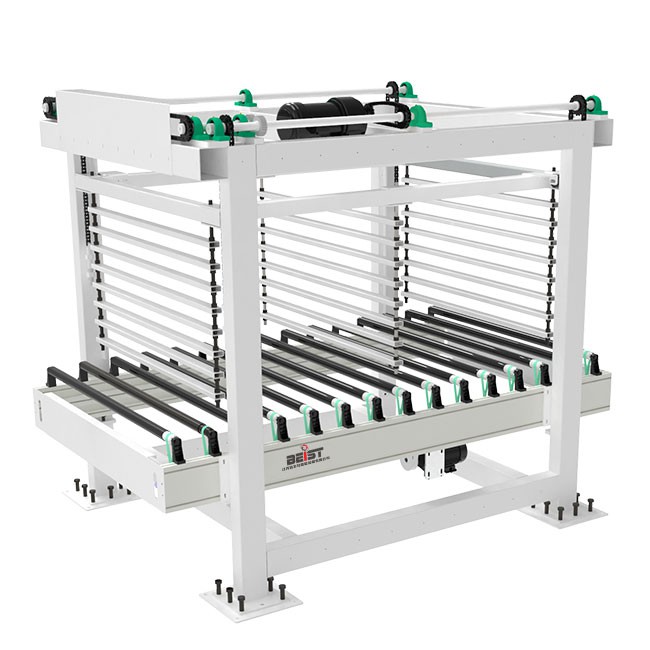
How to prevent static electricity on the conveyor of a lift table with conveyor top
As a trusted supplier of Lift Tables with Conveyor Tops, I understand the challenges that static electricity can pose in industrial settings. Static electricity on the conveyor of a lift table can lead to a variety of issues, including product damage, equipment malfunction, and even safety hazards. In this blog post, I'll share some effective strategies to prevent static electricity on the conveyor of a lift table, ensuring smooth and safe operations.
Understanding the Causes of Static Electricity
Before we delve into prevention methods, it's important to understand how static electricity is generated on the conveyor of a lift table. Static electricity is typically created by the friction between two materials. When the conveyor belt moves, it rubs against various components such as the rollers, bearings, and the products being transported. This friction causes electrons to transfer between the materials, resulting in a buildup of electrical charge.
Another factor contributing to static electricity is the environment. Dry air, common in many industrial facilities, allows static charges to accumulate more easily. Additionally, certain materials used in the conveyor system, such as plastics and synthetic rubbers, are more prone to generating static electricity.
Grounding the Conveyor System
One of the most effective ways to prevent static electricity is by properly grounding the conveyor system. Grounding provides a path for the static charges to flow safely into the ground, preventing them from accumulating on the conveyor.
To ground the conveyor, you should connect all metal components of the conveyor, including the frame, rollers, and motor, to a grounding rod or a grounding system. This can be achieved using grounding wires or straps. Make sure the connections are secure and free of corrosion to ensure proper electrical conductivity.
It's also important to ground the products being transported on the conveyor. This can be done by using conductive containers or trays. If the products are not conductive, you can use anti - static mats or coatings on the conveyor surface to help dissipate static charges.
Using Anti - Static Belts and Components
Another strategy is to use anti - static materials for the conveyor belt and other components. Anti - static conveyor belts are designed to have a low electrical resistance, which allows static charges to dissipate quickly. These belts are often made with conductive materials or have anti - static additives incorporated into their construction.
In addition to the belt, other components such as rollers and bearings can also be made from anti - static materials. Using anti - static rollers can help reduce friction and prevent static electricity from building up as the belt moves over them.
Installing Ionizing Bars
Ionizing bars are a popular solution for neutralizing static charges in industrial environments. These bars emit a stream of positive and negative ions, which attach to the static charges on the conveyor surface and neutralize them.


Ionizing bars can be installed along the length of the conveyor, close to the areas where static electricity is most likely to build up. They can be powered by either AC or DC electricity, and some models are equipped with sensors to automatically adjust the ion output based on the level of static charge.
Controlling the Humidity
As mentioned earlier, dry air can contribute to the buildup of static electricity. By controlling the humidity in the industrial environment, you can reduce the likelihood of static charges forming.
Maintaining a relative humidity level of between 40% and 60% is ideal for minimizing static electricity. This can be achieved using humidifiers or by implementing a climate control system in the facility. However, it's important to ensure that the humidity is not too high, as this can lead to other issues such as corrosion and mold growth.
Regular Maintenance and Cleaning
Regular maintenance and cleaning of the conveyor system are essential for preventing static electricity. Dirt, dust, and debris can accumulate on the conveyor surface, increasing friction and promoting the buildup of static charges.
Make sure to clean the conveyor belt and other components regularly using a mild detergent and a non - abrasive cloth. Avoid using solvents or harsh chemicals, as these can damage the conveyor materials and remove any anti - static coatings.
In addition to cleaning, it's important to inspect the conveyor system regularly for any signs of wear or damage. Replace worn belts, rollers, and bearings promptly to ensure smooth operation and reduce the risk of static electricity.
Benefits of Preventing Static Electricity on Lift Tables with Conveyor Tops
Preventing static electricity on the conveyor of a lift table offers several benefits. Firstly, it helps to protect the products being transported. Static charges can attract dust and debris to the products, causing contamination and potential damage. By eliminating static electricity, you can ensure that your products remain clean and undamaged during the conveying process.
Secondly, preventing static electricity reduces the risk of equipment malfunction. Static charges can interfere with the electrical components of the lift table and the conveyor system, leading to premature wear and breakdowns. By keeping the conveyor system free of static charges, you can extend the lifespan of your equipment and reduce maintenance costs.
Finally, preventing static electricity enhances safety in the workplace. Static charges can cause sparks, which are a fire hazard in environments where flammable materials are present. By eliminating static electricity, you can create a safer working environment for your employees.
Conclusion
Preventing static electricity on the conveyor of a lift table is crucial for ensuring smooth and safe operations in industrial settings. By following the strategies outlined in this blog post, such as grounding the system, using anti - static materials, installing ionizing bars, controlling humidity, and performing regular maintenance, you can effectively minimize the risk of static charges building up on your conveyor.
As a supplier of Lift Tables with Conveyor Tops, Powered Roller Conveyor Lift Table, and Lifting Table with Forklift, we are committed to providing high - quality products and solutions to meet your industrial needs. If you have any questions or are interested in purchasing our products, please feel free to contact us for a detailed discussion. We look forward to working with you to enhance the efficiency and safety of your operations.
References
- Industrial Tribology Handbook: Friction, Wear, and Surface Engineering. Bharat Bhushan.
- Handbook of Static Electricity. Arthur D. Moore.