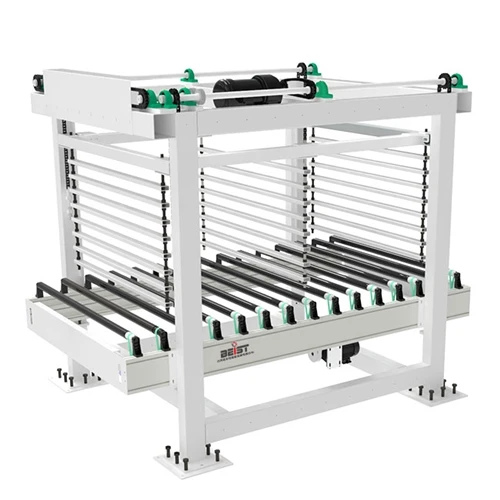
As a supplier of hydraulic lift tables, I often encounter inquiries about the speed of these essential pieces of equipment. Understanding the speed of a hydraulic lift table is crucial for various industrial applications, as it directly impacts productivity, efficiency, and safety. In this blog post, I will delve into the factors that influence the speed of a hydraulic lift table, typical speed ranges, and how to optimize speed for specific needs.
Factors Influencing the Speed of a Hydraulic Lift Table
1. Hydraulic System Design
The design of the hydraulic system is a primary determinant of the lift table's speed. Key components such as the pump, valves, and cylinders play vital roles. A high - capacity pump can deliver more hydraulic fluid per unit of time, which in turn can increase the speed of the lift. For example, a pump with a larger displacement can supply a greater volume of oil to the cylinder, enabling the platform to rise or lower more quickly.
Valves also have a significant impact. Flow control valves can be adjusted to regulate the rate at which hydraulic fluid enters or exits the cylinder. By fine - tuning these valves, operators can control the speed of the lift table. Directional control valves, on the other hand, determine the flow path of the hydraulic fluid, ensuring that it reaches the appropriate parts of the system to achieve the desired movement.
2. Load Capacity
The weight of the load placed on the lift table is another critical factor. A hydraulic lift table will generally move more slowly when carrying a heavy load compared to when it is lightly loaded. This is because the hydraulic system needs to generate more force to lift or lower a heavier object. The pressure required to move the load against gravity and friction increases, which can slow down the movement of the platform. For instance, if a lift table is rated for a maximum load of 5000 kg, it will likely operate at a slower speed when fully loaded compared to when it is carrying only 1000 kg.
3. Cylinder Size and Stroke
The size of the hydraulic cylinder and its stroke length also affect the speed of the lift table. A larger - diameter cylinder requires more hydraulic fluid to move the piston, which can result in a slower speed if the pump capacity is not sufficient. Additionally, a longer stroke length means that the platform has to travel a greater distance, which can increase the overall time taken for the lift or lower operation. For example, a lift table with a 2 - meter stroke will take longer to complete a full cycle than one with a 1 - meter stroke, all other factors being equal.
4. Fluid Viscosity
The viscosity of the hydraulic fluid used in the system is important. Hydraulic fluid with a high viscosity is thicker and flows more slowly than fluid with a low viscosity. In cold temperatures, the viscosity of the fluid can increase significantly, which can slow down the movement of the lift table. Therefore, it is essential to use the appropriate hydraulic fluid for the operating conditions and to ensure that the fluid is maintained at the correct temperature. For example, in a cold warehouse environment, a low - viscosity hydraulic fluid may be required to maintain optimal speed.
Typical Speed Ranges of Hydraulic Lift Tables
The speed of hydraulic lift tables can vary widely depending on the factors mentioned above. In general, the lifting speed of a hydraulic lift table can range from a few centimeters per second to several tens of centimeters per second. For light - duty lift tables used in small workshops or laboratories, the lifting speed may be around 5 - 10 cm/s. These lift tables are often designed for precision work and do not require high - speed operation.
Medium - duty lift tables used in industrial settings for material handling and assembly operations typically have a lifting speed in the range of 10 - 20 cm/s. These lift tables are capable of handling moderate loads and need to balance speed with stability.
Heavy - duty lift tables, such as those used in large - scale manufacturing plants or for loading and unloading trucks, may have a lifting speed of 20 - 30 cm/s or more. However, even these high - capacity lift tables may operate at a slower speed when fully loaded to ensure safety and stability.
The lowering speed of a hydraulic lift table is usually slightly faster than the lifting speed. This is because gravity assists in the lowering process, reducing the amount of force required from the hydraulic system. The lowering speed can range from 10 - 40 cm/s, depending on the design of the lift table and the load it is carrying.
Optimizing the Speed of a Hydraulic Lift Table
1. Select the Right Hydraulic System
When choosing a hydraulic lift table, it is essential to select a system that is appropriately sized for the intended application. A pump with sufficient capacity and the right type of valves can ensure that the lift table operates at an optimal speed. For example, if high - speed operation is required, a high - flow pump and adjustable flow control valves should be considered.
2. Manage the Load
To maintain a reasonable speed, it is important to avoid overloading the lift table. Operators should be trained to accurately estimate the weight of the load and ensure that it does not exceed the rated capacity of the lift table. If possible, the load can be divided into smaller, more manageable portions to reduce the overall weight on the platform during each lift or lower operation.
3. Maintain the Hydraulic System
Regular maintenance of the hydraulic system is crucial for optimal speed. This includes checking the hydraulic fluid level and quality, inspecting the valves and cylinders for leaks or damage, and ensuring that the system is clean. By keeping the hydraulic system in good condition, the lift table can operate at its designed speed and efficiency.
4. Consider the Operating Environment
The operating environment can have a significant impact on the speed of the lift table. In cold environments, the hydraulic fluid may need to be heated to maintain its viscosity. In dusty or dirty environments, appropriate filters should be installed to prevent contaminants from entering the hydraulic system, which could otherwise slow down the operation.
Our Product Offerings
At our company, we offer a wide range of hydraulic lift tables to meet different industrial needs. Our Electric Hydraulic Lift Table is designed for precise and efficient operation. It features an electric - powered hydraulic system that provides smooth and reliable lifting and lowering. With adjustable speed controls, you can customize the operation speed according to your specific requirements.
Our Conveyor Lifting Table with Forklift is ideal for material handling in warehouses and manufacturing plants. It combines the functionality of a conveyor system with a hydraulic lift table, allowing for seamless transfer of goods. The speed of this lift table can be optimized to match the flow of the conveyor system, improving overall productivity.


The Conveyor Top Hydraulic Lift Table is another excellent option. It is equipped with a conveyor on the top surface, which enables easy loading and unloading of materials. This lift table offers a high - speed operation while maintaining stability and safety.
Contact Us for Procurement
If you are interested in our hydraulic lift tables and would like to discuss your specific requirements, we encourage you to contact us. Our team of experts is ready to assist you in selecting the right lift table for your application and providing you with detailed information on speed optimization and performance. Whether you need a high - speed lift table for a fast - paced production line or a precision - controlled lift table for a delicate operation, we have the solution for you.
References
- "Hydraulic Systems Handbook" by George E. Totten.
- "Industrial Lift Tables: Design, Operation, and Maintenance" by a group of industry experts.