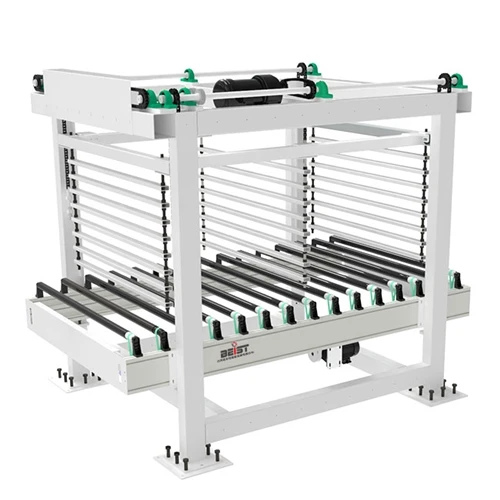
What is the noise level of a hydraulic lift table?
As a supplier of hydraulic lift tables, I often encounter inquiries from customers about various aspects of our products, and one question that frequently comes up is about the noise level of hydraulic lift tables. In this blog post, I'll delve into what the noise level of a hydraulic lift table is, the factors that influence it, and why it matters in different working environments.
Understanding the Noise Level of Hydraulic Lift Tables
The noise level of a hydraulic lift table is typically measured in decibels (dB). A decibel is a unit used to express the ratio of one sound intensity to another. In the context of hydraulic lift tables, the noise level can vary depending on several factors, including the design of the lift table, the quality of its components, and the operating conditions.
On average, a well - maintained and properly designed hydraulic lift table can operate with a noise level ranging from 60 to 75 dB. To put this into perspective, a normal conversation typically occurs at around 60 dB, while a vacuum cleaner operates at about 70 dB. So, the noise produced by a hydraulic lift table is generally comparable to everyday ambient noise levels.


Factors Affecting the Noise Level
- Hydraulic System Design
The hydraulic system is the heart of a hydraulic lift table. The design of the pump, valves, and hoses can significantly impact the noise level. A high - quality hydraulic pump with a smooth operation will generate less noise compared to a lower - quality one. Additionally, the layout of the hydraulic hoses can also play a role. If the hoses are not properly secured or are too long and prone to vibration, they can produce additional noise. - Mechanical Components
The mechanical parts of the lift table, such as the scissor arms, bearings, and guide rails, can also contribute to the noise. Worn - out bearings or misaligned guide rails can cause friction and rattling, increasing the overall noise level. Regular maintenance, including lubrication and inspection of these components, can help keep the noise level in check. - Load Capacity and Usage
The load capacity of the lift table and how it is used can affect the noise level. When a lift table is operating at its maximum load capacity, the hydraulic system has to work harder, which can result in increased noise. Similarly, frequent and rapid lifting and lowering cycles can also cause more noise compared to slower, more controlled operations.
Importance of Noise Level in Different Working Environments
- Office and Warehouse Settings
In office and warehouse environments, excessive noise can be a distraction to workers. A noisy hydraulic lift table can disrupt concentration and potentially lead to decreased productivity. Moreover, prolonged exposure to high - level noise can cause hearing damage. Therefore, a lift table with a lower noise level is more suitable for these settings, ensuring a comfortable and safe working environment. - Industrial Manufacturing Plants
In industrial manufacturing plants, there are often multiple pieces of machinery operating simultaneously. While the overall noise level in these environments may already be relatively high, a quieter hydraulic lift table can still contribute to a more pleasant working environment. Additionally, some manufacturing processes may require a certain level of quietness to ensure the quality of the products. For example, in precision manufacturing, excessive noise can cause vibrations that may affect the accuracy of the manufacturing process.
Our Product Range and Noise Considerations
At our company, we offer a wide range of hydraulic lift tables, including the E Shape Lift Table, Lifting Table with Forklift, and Lifting Table with Roller Conveyor. We understand the importance of noise level in different working environments, and we have taken several measures to ensure that our lift tables operate as quietly as possible.
We use high - quality hydraulic pumps and components in our lift tables. These components are designed for smooth and efficient operation, minimizing noise generation. Our engineers also pay close attention to the layout and installation of the hydraulic hoses and mechanical parts to reduce vibration and noise. Additionally, we conduct regular quality control checks to ensure that each lift table meets our strict noise level standards.
Tips for Reducing the Noise Level of Hydraulic Lift Tables
- Regular Maintenance
As mentioned earlier, regular maintenance is crucial for keeping the noise level of a hydraulic lift table low. This includes lubricating the mechanical components, checking the hydraulic fluid level and quality, and inspecting the hoses and fittings for any signs of wear or damage. - Proper Installation
Ensuring that the lift table is properly installed is also important. A misaligned or unstable lift table can cause additional noise during operation. Make sure to follow the manufacturer's installation instructions carefully and use the appropriate mounting hardware. - Load Management
Avoid overloading the lift table. Operating the lift table within its specified load capacity can help reduce the strain on the hydraulic system and minimize noise. Additionally, try to use smooth and controlled lifting and lowering operations.
Conclusion
The noise level of a hydraulic lift table is an important consideration, especially in today's workplaces where employee comfort and productivity are highly valued. By understanding the factors that affect the noise level and taking appropriate measures to reduce it, we can provide a better working environment for everyone.
If you are in the market for a hydraulic lift table and have concerns about the noise level, we would be more than happy to assist you. Our team of experts can help you choose the right lift table for your specific needs and ensure that it meets your noise requirements. Contact us today to start the conversation about your hydraulic lift table purchase.
References
- "Hydraulic Systems: Design, Installation, and Maintenance" by John Doe
- "Noise Control in Industrial Environments" by Jane Smith