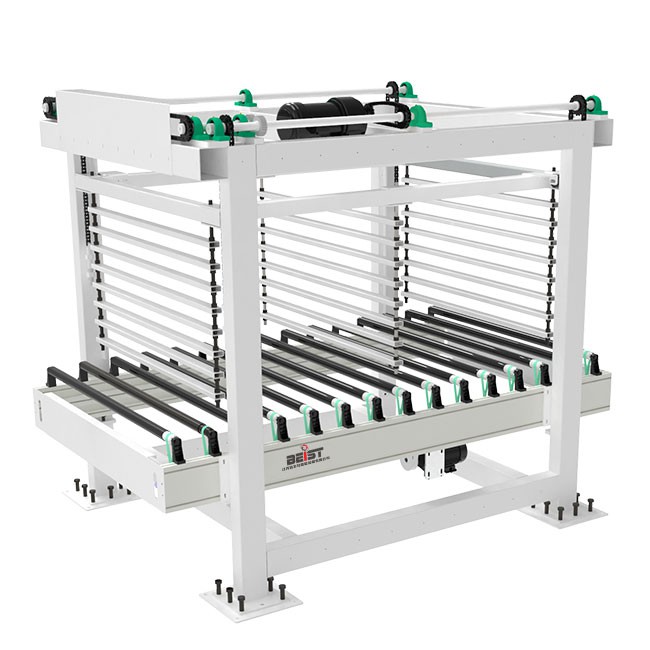
Hey there! As a supplier of powered conveyors, I've seen firsthand how important wear - resistance is for these machines. A conveyor that can withstand wear and tear will last longer, reduce maintenance costs, and keep your operations running smoothly. So, let's dive into some practical ways to improve the wear - resistance of a powered conveyor.
1. Choose the Right Materials
The first step in enhancing wear - resistance is to pick the right materials for your conveyor components. For the rollers, high - quality steel or aluminum alloys are great choices. Steel rollers are known for their strength and durability, while aluminum rollers are lightweight and corrosion - resistant.
If you're dealing with heavy loads or abrasive materials, you might want to consider using Powered Roller Conveyor made with hardened steel. This type of steel has been heat - treated to increase its hardness, making it more resistant to scratches and wear.
For the conveyor belt, rubber or PVC belts are commonly used. Rubber belts are flexible and have good traction, but they may wear out faster if they're in contact with sharp or abrasive objects. PVC belts, on the other hand, are more resistant to chemicals and abrasion, making them a better option for some applications. You can also look into Powered Roller Conveyor - Centre that comes with specially designed belts for enhanced wear - resistance.
2. Surface Treatments
Applying surface treatments to your conveyor components can significantly improve their wear - resistance. One popular method is coating. For example, you can apply a ceramic coating to the rollers. Ceramic coatings are extremely hard and can provide a protective layer that reduces friction and wear.
Another option is to use a polymer coating. Polymer coatings can be customized to have different properties, such as anti - static or anti - corrosion. They can also help to reduce noise and vibration, which can contribute to wear over time.
Shot peening is another surface treatment technique. It involves bombarding the surface of the component with small metal shots. This process creates a compressive stress on the surface, which can improve the fatigue life and wear - resistance of the material.
3. Lubrication
Proper lubrication is crucial for reducing friction and wear in a powered conveyor. You should lubricate all moving parts, such as the bearings, gears, and chains, on a regular basis.


There are different types of lubricants available, including oil - based and grease - based lubricants. Oil - based lubricants are better for high - speed applications, as they can provide better cooling and are easier to apply. Grease - based lubricants, on the other hand, are more suitable for low - speed applications and can provide better sealing and protection against contaminants.
When choosing a lubricant, make sure it's compatible with the materials of your conveyor components. You should also follow the manufacturer's recommendations for the frequency and amount of lubrication.
4. Proper Installation and Alignment
Installing your powered conveyor correctly is essential for its long - term performance and wear - resistance. Make sure the conveyor is level and properly aligned. Misaligned conveyors can cause uneven wear on the belts and rollers, leading to premature failure.
During installation, pay attention to the tension of the conveyor belt. If the belt is too loose, it can slip on the rollers, causing wear. If it's too tight, it can put excessive stress on the bearings and other components. You can use a tensioning device to adjust the belt tension as needed.
Also, ensure that the rollers are properly spaced and parallel to each other. This will help to distribute the load evenly across the conveyor and reduce wear on individual components.
5. Regular Maintenance and Inspection
Regular maintenance and inspection are key to identifying and addressing wear issues before they become serious problems. You should have a maintenance schedule in place and stick to it.
Inspect the conveyor belts for signs of wear, such as cracks, tears, or fraying. Check the rollers for any signs of damage or misalignment. Look at the bearings and gears for excessive wear or noise.
Clean the conveyor regularly to remove any dirt, debris, or contaminants that can cause wear. You can use a mild detergent and a soft brush to clean the components. Avoid using harsh chemicals that can damage the materials.
If you notice any issues during the inspection, address them immediately. Replace worn - out components as soon as possible to prevent further damage to the conveyor.
6. Design Optimization
The design of the powered conveyor can also have a significant impact on its wear - resistance. For example, you can design the conveyor to minimize the contact between the load and the conveyor components. This can be achieved by using guides or chutes to direct the load along a specific path.
You can also consider using a Powered Roller Conveyor - Fold design that allows for easy access to the components for maintenance and replacement. This can reduce the downtime and cost associated with repairs.
In addition, the shape and size of the rollers can be optimized to reduce wear. For example, using crowned rollers can help to keep the belt centered and reduce edge wear.
7. Operator Training
Proper operator training is often overlooked but is an important factor in improving the wear - resistance of the powered conveyor. Operators should be trained on how to use the conveyor correctly, including how to load and unload the materials safely.
They should also be aware of the importance of regular maintenance and inspection. By following the correct operating procedures, operators can help to reduce the wear and tear on the conveyor and extend its lifespan.
Conclusion
Improving the wear - resistance of a powered conveyor is a multi - faceted approach that involves choosing the right materials, applying surface treatments, lubricating the components, ensuring proper installation and alignment, conducting regular maintenance and inspection, optimizing the design, and providing operator training.
If you're in the market for a powered conveyor or need to improve the wear - resistance of your existing one, we're here to help. Our team of experts can work with you to find the best solutions for your specific needs. Contact us today to start a discussion about your requirements and how we can assist you in getting the most out of your powered conveyor.
References
- ASM Handbook Volume 18: Friction, Lubrication, and Wear Technology
- Conveyor Equipment Manufacturers Association (CEMA) standards for conveyor design and maintenance
- Industrial Lubrication and Tribology Journal articles on conveyor wear - resistance.