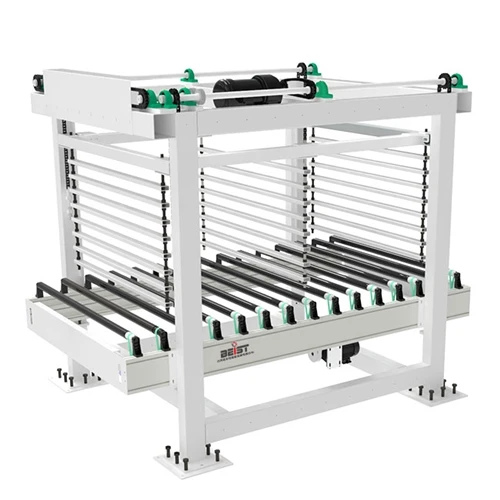
Hey there! I'm a supplier of Gravity Roller Conveyors, and today I wanna chat about a question I get a lot: Can a gravity roller conveyor be connected to other conveyor systems? Well, the short answer is yes, it can! And in this blog, I'll break down how and why it's a smart move.
First off, let's talk about what a gravity roller conveyor is. It's a simple yet super effective piece of equipment. It uses gravity to move items along a series of rollers. You just place your stuff at the higher end, and gravity does the rest, gently rolling it down to the lower end. It's great for handling all sorts of things, from small packages to larger boxes.
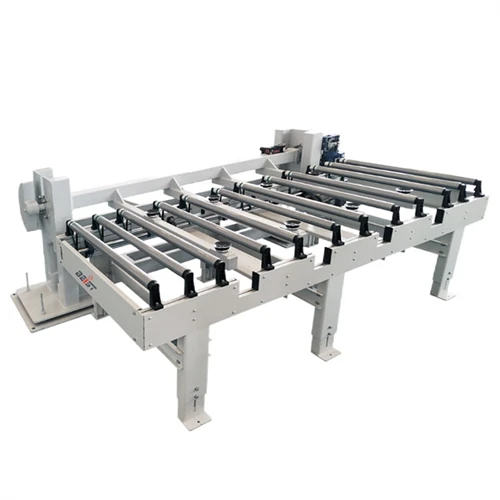
Now, when it comes to connecting it to other conveyor systems, there are several reasons why you might want to do this. One big reason is to create a more efficient material handling process. By combining different types of conveyors, you can customize a system that suits your specific needs. For example, you might have a large area where you need to move items horizontally, and a gravity roller conveyor is perfect for that. But then you might need to transfer those items to a different level or direction, and that's where other conveyor systems come in handy.
Let's take a look at some of the conveyor systems that can be connected to a gravity roller conveyor.
Ball Transfer Table Conveyor
A Ball Transfer Table Conveyor is a really cool option. It consists of a series of small balls mounted in a flat surface. These balls allow items to be moved in multiple directions with ease. You can connect a gravity roller conveyor to a ball transfer table conveyor to change the direction of the items being transported. For instance, if your gravity roller conveyor is moving items in a straight line, and you need to turn them 90 degrees, the ball transfer table conveyor can do that smoothly. It's like adding a pivot point to your conveyor system, giving you more flexibility in how you move your goods.
Gravity Skate Wheel Conveyor
Another option is the Gravity Skate Wheel Conveyor. This type of conveyor uses small skate wheels instead of rollers. It's often used for lighter loads and can be a great addition to a gravity roller conveyor system. You can connect them when you need to handle different types of products. Maybe you have a mix of heavy and light items. The gravity roller conveyor can handle the heavy stuff, while the gravity skate wheel conveyor can take care of the lighter items. This way, you can optimize the flow of your materials and make sure everything moves smoothly through your facility.


Conveyor Crossover Bridge
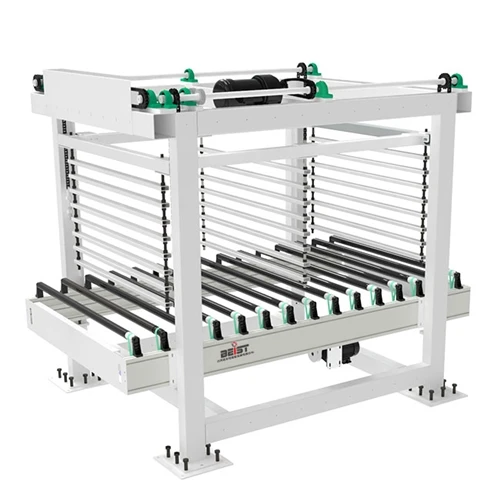
A Conveyor Crossover Bridge is also a useful addition. It allows you to transfer items from one conveyor line to another, especially when the lines are at different heights or need to cross over each other. You can connect a gravity roller conveyor to a conveyor crossover bridge to create a more complex conveyor network. This is great for large warehouses or manufacturing plants where you have multiple conveyor lines running in different directions. The conveyor crossover bridge acts as a connector, making it possible to move items between different parts of the system efficiently.
Now, let's talk about how to actually connect these conveyor systems. The key is to make sure that the connection is smooth and that the items can transfer easily from one conveyor to the next. Here are some steps to follow:
- Measure and Plan: Before you start connecting anything, you need to measure the dimensions of your conveyors and plan out how they will fit together. Make sure that the height, width, and length of the connection points are compatible.
- Align the Conveyors: Once you have your measurements, align the conveyors so that the items can move smoothly from one to the other. You might need to use brackets or supports to hold the conveyors in place and ensure that they are level.
- Test the Connection: After you've connected the conveyors, test the system with some sample items. Make sure that the items can transfer without getting stuck or damaged. If there are any issues, make adjustments as needed.
Connecting a gravity roller conveyor to other conveyor systems also has some benefits. It can increase the overall efficiency of your material handling process. You can move items faster and with less manual labor, which can save you time and money. It also allows you to handle a wider variety of products and adapt to different production requirements.
However, there are also some challenges to consider. One challenge is the cost. Connecting different conveyor systems can be expensive, especially if you need to purchase new equipment or make significant modifications to your existing setup. Another challenge is maintenance. You need to make sure that all the conveyors are properly maintained to ensure that they continue to work smoothly. This might involve regular cleaning, lubrication, and inspection of the components.
In conclusion, a gravity roller conveyor can definitely be connected to other conveyor systems. It's a great way to create a more efficient and flexible material handling process. Whether you choose to connect it to a ball transfer table conveyor, a gravity skate wheel conveyor, or a conveyor crossover bridge, the key is to plan carefully and make sure that the connection is smooth.
If you're interested in learning more about how to connect a gravity roller conveyor to other conveyor systems or if you're thinking about purchasing a gravity roller conveyor for your business, I'd love to chat. We have a team of experts who can help you find the right solution for your needs. Just reach out, and we'll work together to make your material handling process better.
References
- Conveyor Handbook, published by industry experts
- Case studies from various manufacturing and warehousing facilities