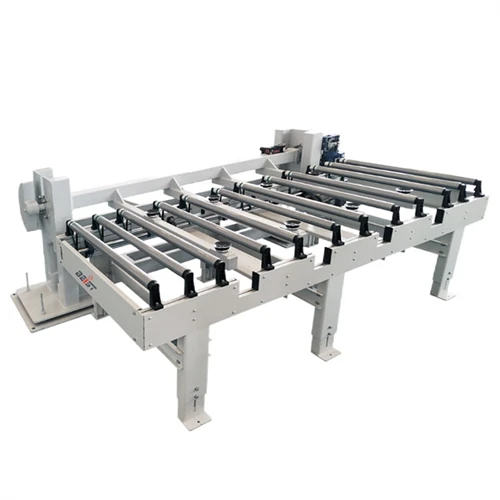
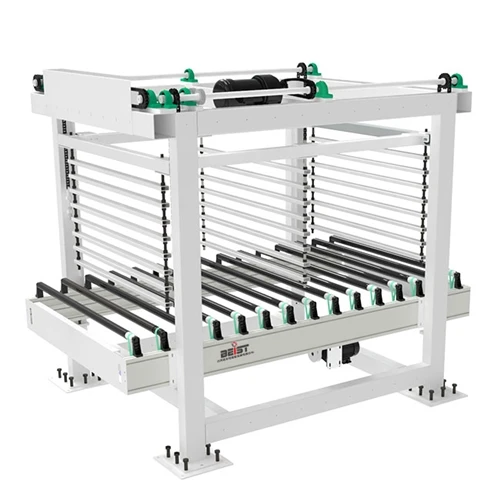
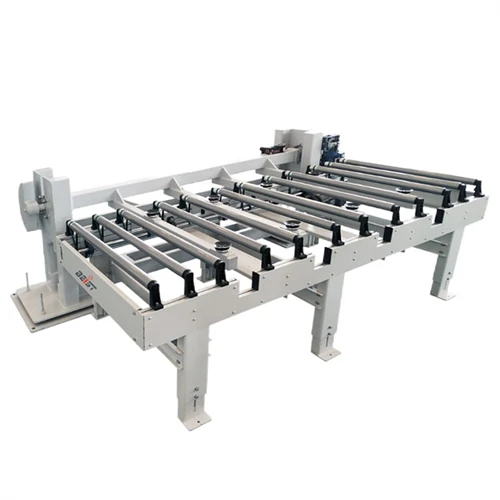
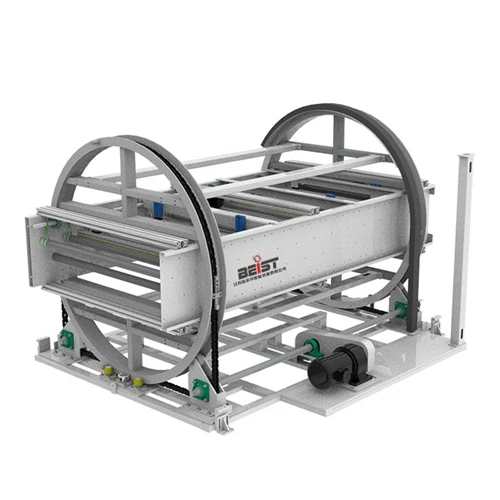
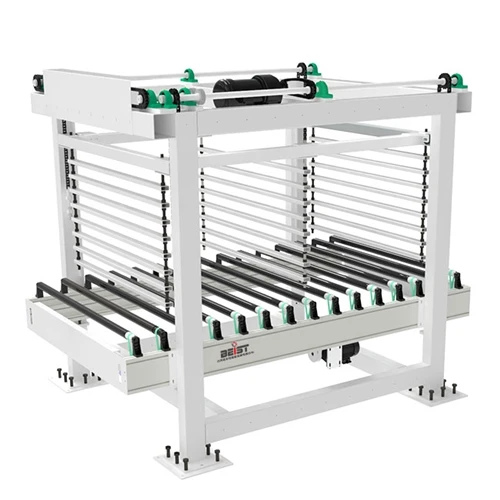
Hey there! As a supplier of Powered Roller Conveyor - Gap, I've been getting a lot of questions lately about how to measure the gap in these conveyors. It's a crucial step, whether you're installing a new system or maintaining an existing one. So, I thought I'd share some tips and tricks on this topic.
First things first, why is measuring the gap so important? Well, the gap in a powered roller conveyor plays a vital role in the smooth operation of the system. If the gap is too wide, small items might fall through, causing damage and potential safety hazards. On the other hand, if it's too narrow, it could lead to jams and inefficient movement of goods.
Let's start with the basic tools you'll need. A good quality caliper is a must - have. You can find digital calipers that are easy to read and provide accurate measurements. A ruler can also come in handy, especially for getting a rough estimate before using the caliper. And don't forget a flashlight. Sometimes, the conveyor might be in a dimly lit area, and a flashlight will help you see the gap clearly.
Now, let's talk about the actual measurement process. Before you start, make sure the conveyor is turned off. Safety first, right? If there are any items on the conveyor, remove them to get an unobstructed view of the gap.
The first step is to identify the areas where you need to measure the gap. Usually, you'll want to measure at multiple points along the length of the conveyor. This is because the gap can vary due to factors like wear and tear, misalignment, or uneven installation.
For a simple conveyor with straight sections, measuring the gap is relatively straightforward. Place the caliper jaws on either side of the gap and close them gently until they touch the edges of the rollers. Make sure the caliper is perpendicular to the rollers for an accurate measurement. Read the measurement on the caliper display. Record this value and repeat the process at several other points along the conveyor.
But what if you're dealing with a conveyor with curves or bends? Well, it gets a bit trickier. In these cases, you might need to use a flexible measuring tape or a special curved caliper. The key is to follow the contour of the curve as closely as possible while taking the measurement.


Another important thing to consider is the type of rollers used in the conveyor. Different roller designs can affect the gap measurement. For example, some rollers have a tapered shape, which means the gap might be different at the top and bottom of the roller. In such cases, measure the gap at both the top and bottom to get a complete picture.
Let's say you're installing a new Powered Roller Conveyor - Lean. During the installation process, accurate gap measurement is crucial to ensure proper alignment of the rollers. If the gap is not consistent, it can lead to uneven loading on the rollers, which can cause premature wear and tear.
Now, if you're using the conveyor in a production environment where different sizes of products are being transported, you need to be extra careful. You might need to adjust the gap based on the smallest product that will be moving on the conveyor. This will prevent any products from falling through the gap.
For example, if you're using a Carbon Steel Belt Conveyor in a food processing plant, the gap needs to be small enough to prevent food particles from getting stuck or falling through. But at the same time, it shouldn't be so small that it causes jams.
Let's also touch on the maintenance aspect. Regularly measuring the gap in your powered roller conveyor is an important part of preventive maintenance. Over time, the gap can change due to normal wear and tear. By monitoring the gap, you can detect any issues early and take corrective action before they lead to major problems.
If you find that the gap is outside the acceptable range, there are a few things you can do. You might need to adjust the position of the rollers. This could involve loosening the mounting bolts and moving the rollers slightly to increase or decrease the gap. Make sure to retighten the bolts securely after making the adjustment.
In some cases, you might need to replace a damaged or worn - out roller. A damaged roller can cause the gap to be inconsistent, so replacing it can restore the proper function of the conveyor.
Now, let's talk about some common mistakes to avoid when measuring the gap. One of the biggest mistakes is not measuring at multiple points. As I mentioned earlier, the gap can vary along the length of the conveyor, so taking a single measurement might not give you an accurate representation of the overall gap.
Another mistake is not using the right tools. Using a ruler when a caliper is needed can lead to inaccurate measurements. And make sure the tools are in good working condition. A damaged caliper will give you false readings.
If you're in the market for a Single Arm Panel Over Turner, which is often used in conjunction with powered roller conveyors, you'll also need to consider the gap requirements for proper operation. The gap between the conveyor and the turner needs to be just right to ensure smooth transfer of panels.
In conclusion, measuring the gap in a powered roller conveyor is an important task that requires attention to detail. By following the right procedures and using the appropriate tools, you can ensure the efficient and safe operation of your conveyor system.
If you're looking for high - quality Powered Roller Conveyor - Gap products or need more advice on measuring and maintaining your conveyor, don't hesitate to reach out. We're here to help you make the most of your conveyor system. Whether you're a small business or a large industrial operation, we have the solutions to meet your needs.
References
- Conveyor Handbook, Industry Standard Publication
- Roller Conveyor Installation and Maintenance Guide, Manufacturer's Manual