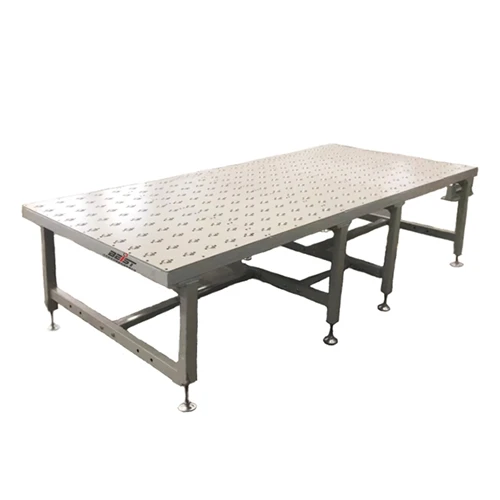
As a supplier of Automatic Flip Machines, I understand the importance of proper maintenance in ensuring the optimal performance and longevity of these machines. In this blog, I will delve into the factors that influence the maintenance frequency of an Automatic Flip Machine and provide some general guidelines to help you keep your machine in top condition.
Factors Affecting Maintenance Frequency
Usage Intensity
The frequency of use is one of the most significant factors in determining how often an Automatic Flip Machine should be maintained. Machines that are used continuously for long hours each day will naturally require more frequent maintenance compared to those that are used sparingly. For example, a machine in a high - volume manufacturing plant that operates 24/7 will need maintenance more often than a machine in a small workshop that is only used a few hours a week.
Operating Environment
The environment in which the Automatic Flip Machine operates also plays a crucial role. If the machine is located in a dusty, dirty, or humid environment, it is more likely to accumulate debris and experience corrosion. In such cases, more frequent maintenance is necessary to prevent damage to the machine's components. For instance, a machine in a mining or construction site will face harsher conditions and thus need more regular upkeep than one in a clean, climate - controlled factory.
Machine Complexity
The complexity of the Automatic Flip Machine can also impact the maintenance frequency. Machines with more advanced features and a greater number of moving parts generally require more frequent maintenance. These complex machines have a higher chance of component failure, and regular maintenance can help identify and address potential issues before they lead to major breakdowns.
Quality of Components
The quality of the components used in the Automatic Flip Machine can affect its maintenance requirements. High - quality components are often more durable and reliable, which may reduce the frequency of maintenance. However, even high - quality parts will eventually wear out, and regular inspections are still necessary.
General Maintenance Frequency Guidelines
Based on the factors mentioned above, here are some general guidelines for maintaining an Automatic Flip Machine:
- Daily Maintenance
- Visual Inspection: Check the machine for any visible signs of damage, such as loose bolts, cracks, or leaks. Inspect the conveyor belts, Cross Conveyor, and other moving parts for proper alignment and operation.
- Cleaning: Remove any debris or dust that has accumulated on the machine. This helps prevent the build - up of dirt, which can cause premature wear and tear.
- Weekly Maintenance
- Lubrication: Lubricate all moving parts, such as bearings, chains, and gears, according to the manufacturer's recommendations. Proper lubrication reduces friction and extends the life of the components.
- Electrical System Check: Inspect the electrical connections and wiring for any signs of damage or loose connections. Ensure that all safety switches and sensors are functioning properly.
- Monthly Maintenance
- Component Inspection: Examine critical components, such as the flipping mechanism, for signs of wear. Replace any worn - out parts as needed.
- Calibration: Check and calibrate the machine to ensure accurate operation. This is especially important for machines that require precise positioning or flipping angles.
- Quarterly Maintenance
- Performance Testing: Conduct performance tests on the Automatic Flip Machine to ensure that it is operating at its optimal level. This may involve testing the speed, accuracy, and reliability of the flipping process.
- System Analysis: Analyze the machine's overall performance data to identify any trends or potential issues. This can help in predicting and preventing future breakdowns.
- Annual Maintenance
- Major Overhaul: Perform a comprehensive overhaul of the machine. This may include disassembling and cleaning all components, replacing worn - out parts, and conducting a thorough inspection of the entire system.
- Software Update: If the Automatic Flip Machine is equipped with software, ensure that it is up - to - date. Software updates can improve the machine's performance and functionality.
Importance of Regular Maintenance
Regular maintenance of an Automatic Flip Machine offers several benefits:
Improved Performance
Proper maintenance ensures that the machine operates at its peak performance. This leads to increased productivity, reduced downtime, and higher quality output.
Extended Lifespan
By regularly inspecting and maintaining the machine, you can identify and address potential issues before they cause major damage. This helps extend the lifespan of the machine and reduces the need for costly replacements.
Safety
Well - maintained machines are safer to operate. Regular inspections can identify and fix safety hazards, such as loose guards or malfunctioning sensors, reducing the risk of accidents in the workplace.
Cost Savings
Although maintenance requires an investment of time and resources, it can save money in the long run. Preventive maintenance reduces the likelihood of expensive breakdowns and repairs, as well as the loss of production due to machine downtime.

Conclusion
In conclusion, the maintenance frequency of an Automatic Flip Machine depends on several factors, including usage intensity, operating environment, machine complexity, and component quality. By following the general maintenance guidelines outlined above, you can ensure that your machine operates efficiently and reliably for years to come.
If you are in the market for an Automatic Flip Machine or need more information about maintenance and support, we are here to help. Our team of experts can provide you with the best solutions tailored to your specific needs. Contact us today to start a procurement discussion and find out how our Automatic Flip Machines can enhance your production process.