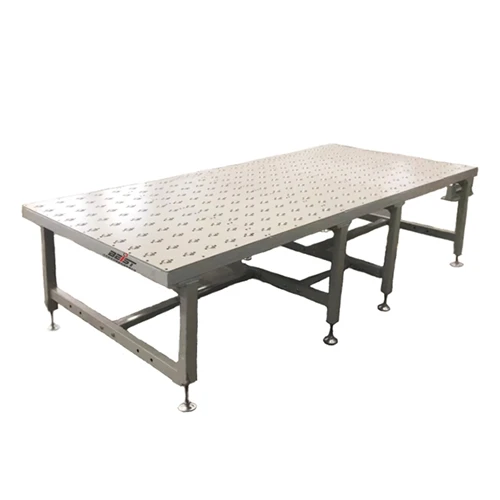
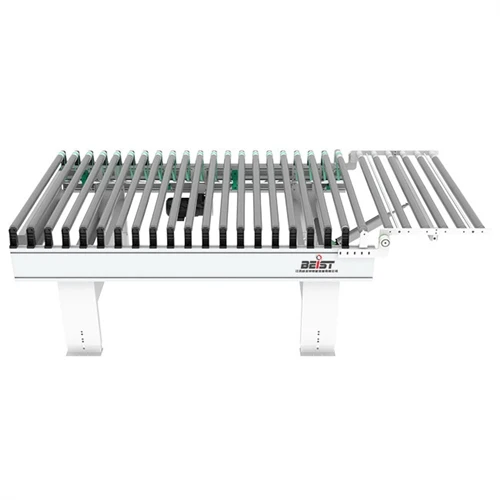
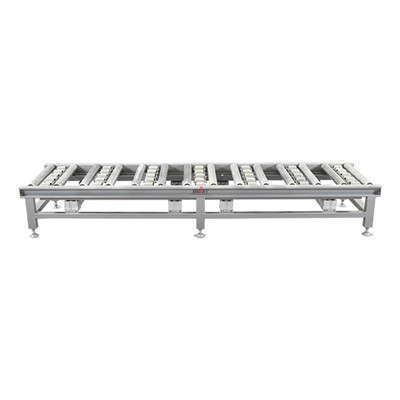
As a supplier of Ball Transfer Table Conveyors, I understand the critical importance of safety in material handling equipment. A Ball Transfer Table Conveyor is a versatile and efficient tool used in various industries to move goods smoothly and quickly. However, without proper safety features, it can pose significant risks to operators and the overall work environment. In this blog, I will discuss the essential safety features that a Ball Transfer Table Conveyor should have.
1. Guarding and Enclosures
One of the most fundamental safety features of a Ball Transfer Table Conveyor is proper guarding. Guards are used to prevent operators from coming into contact with moving parts, such as the ball transfers, belts, or chains. They can be made of various materials, including metal, plastic, or mesh, and should be designed to withstand the rigors of the work environment.
Enclosures are another important safety measure. They can be used to contain dust, debris, and other hazardous materials that may be generated during the operation of the conveyor. Enclosures also provide a physical barrier between the operator and the conveyor, reducing the risk of accidental contact.
2. Emergency Stop Buttons
Emergency stop buttons are a crucial safety feature on any conveyor system. They allow operators to quickly stop the conveyor in case of an emergency, such as a jam, a spill, or an injury. Emergency stop buttons should be easily accessible and clearly marked, and they should be tested regularly to ensure they are functioning properly.
In addition to emergency stop buttons, some Ball Transfer Table Conveyors may also be equipped with other safety devices, such as pull cords or foot pedals. These devices provide an additional layer of protection and can be used to stop the conveyor in case the operator is unable to reach the emergency stop button.
3. Anti - Slip Surfaces
Since operators may need to stand or walk near the Ball Transfer Table Conveyor, anti - slip surfaces are essential. The table surface itself should have a non - slip texture to prevent items from sliding off unexpectedly, especially when the conveyor is in motion or when there are changes in the direction of movement.
The floor around the conveyor should also be treated with anti - slip materials. This reduces the risk of slips, trips, and falls, which are common workplace accidents. Anti - slip coatings or mats can be used to create a safe walking surface for operators.
4. Overload Protection
Overloading a Ball Transfer Table Conveyor can lead to serious damage to the equipment and pose a safety risk. To prevent this, the conveyor should be equipped with overload protection devices. These devices can detect when the conveyor is carrying more weight than it is designed to handle and automatically shut down the system.
Overload protection can be achieved through the use of sensors, such as load cells, which measure the weight of the items on the conveyor. When the weight exceeds a pre - set limit, the conveyor will stop, preventing damage to the ball transfers and other components.
5. Alignment and Stability
A properly aligned and stable Ball Transfer Table Conveyor is essential for safe operation. Misaligned conveyors can cause items to jam, tip over, or fall off, which can lead to injuries and damage to the products. To ensure alignment, the conveyor should be installed on a level surface and regularly inspected for any signs of misalignment.
Stability is also crucial. The conveyor should be securely anchored to the floor or other support structures to prevent it from moving or tipping during operation. This is especially important when the conveyor is handling heavy or large items.
6. Warning Signage
Warning signage is an important safety feature that provides operators with clear instructions and information about the potential hazards associated with the Ball Transfer Table Conveyor. Signage should be placed in prominent locations, such as near the controls, entrances, and exits of the conveyor area.
The signage should include warnings about moving parts, pinch points, and other potential dangers. It should also provide instructions on how to operate the conveyor safely, such as how to start and stop the system, and what to do in case of an emergency.

7. Noise Reduction
Ball Transfer Table Conveyors can generate a significant amount of noise during operation, which can be a health hazard for operators. Prolonged exposure to high - level noise can cause hearing loss and other health problems. To reduce noise levels, the conveyor can be equipped with noise - reducing materials, such as rubber pads or acoustic enclosures.
In addition, operators should be provided with appropriate hearing protection, such as earplugs or earmuffs, to minimize the risk of hearing damage.
8. Interlocking Systems
Interlocking systems are used to ensure that certain safety conditions are met before the Ball Transfer Table Conveyor can operate. For example, an interlock may be used to prevent the conveyor from starting if the guards are not in place. This helps to prevent operators from being exposed to moving parts while the conveyor is in operation.
Interlocking systems can also be used to coordinate the operation of multiple conveyors or other equipment in a production line. This ensures that the entire system operates safely and efficiently.
9. Regular Maintenance and Inspection
Regular maintenance and inspection are essential for ensuring the safety and reliability of a Ball Transfer Table Conveyor. Maintenance should include tasks such as lubricating the ball transfers, checking the belts and chains for wear, and inspecting the guards and other safety devices for damage.
Inspections should be carried out on a regular basis, at least once a month, to identify any potential safety issues before they become serious problems. Any damaged or worn components should be replaced immediately to ensure the continued safe operation of the conveyor.
Conclusion
In conclusion, a Ball Transfer Table Conveyor should be equipped with a comprehensive set of safety features to protect operators and ensure the safe and efficient operation of the equipment. These features include guarding and enclosures, emergency stop buttons, anti - slip surfaces, overload protection, alignment and stability, warning signage, noise reduction, interlocking systems, and regular maintenance and inspection.
As a supplier of Ball Transfer Table Conveyor, we are committed to providing high - quality conveyors that meet the highest safety standards. Our conveyors are designed with all the necessary safety features to ensure the well - being of your operators and the smooth operation of your production line.
If you are in the market for a Ball Transfer Table Conveyor or other material handling equipment, such as Curved Roller Conveyor or Air Float Table For Wood Panel Conveying, we encourage you to contact us for a consultation. Our team of experts can help you select the right conveyor for your specific needs and ensure that it is installed and maintained safely.