As a supplier of Air Flotation Table Conveyors, I am often asked whether our conveyors can be used for conveying materials with sharp edges. This is a crucial question for many industries that deal with products like metal sheets, glass shards, or other items with jagged edges. In this blog, I will delve into the capabilities of Air Flotation Table Conveyors in handling such materials, exploring their design, functionality, and potential limitations.
Understanding Air Flotation Table Conveyors
Air Flotation Table Conveyors operate on the principle of using a cushion of air to support and move materials along the conveyor surface. This technology offers several advantages, including reduced friction, smooth operation, and the ability to handle delicate or irregularly shaped items. The air cushion provides a gentle support mechanism that minimizes contact between the material and the conveyor, reducing the risk of damage.
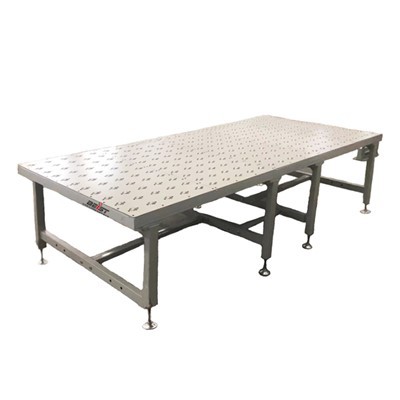
The design of an Air Flotation Table Conveyor typically consists of a flat surface with a series of air nozzles or perforations. Compressed air is forced through these openings, creating a thin layer of air that lifts the material off the surface. This allows the material to glide smoothly along the conveyor with minimal resistance.
Can Air Flotation Table Conveyors Handle Sharp - Edged Materials?
The answer to whether an Air Flotation Table Conveyor can be used for conveying materials with sharp edges is both yes and no. Let's break down the factors that determine its suitability.
Advantages
Reduced Contact: The air cushion significantly reduces the direct contact between the sharp - edged material and the conveyor surface. This means that the risk of the sharp edges scratching or damaging the conveyor is minimized. For example, when conveying thin metal sheets with sharp edges, the air cushion prevents the edges from digging into the conveyor, ensuring a longer lifespan for the equipment.
Smooth Movement: The smooth and frictionless movement provided by the air flotation system allows sharp - edged materials to be transported without getting stuck or causing jams. This is particularly important for industries where a continuous flow of materials is essential, such as in manufacturing or packaging.
Versatility: Air Flotation Table Conveyors can be customized to handle a wide range of materials, including those with sharp edges. By adjusting the air pressure and the design of the air nozzles, the conveyor can be optimized to provide the right amount of support for different types of sharp - edged products.
Limitations
Air Leakage: Sharp edges can potentially cause air leakage in the air flotation system. If the sharp edge punctures or damages the air cushion, it can disrupt the flow of air and affect the performance of the conveyor. This may lead to uneven movement or even the material getting stuck on the conveyor.
Material Compatibility: Some sharp - edged materials may be too heavy or have a shape that is difficult to support with an air cushion. For example, large and thick metal pieces with extremely sharp edges may require a higher air pressure to be lifted and transported, which could put additional stress on the conveyor system.
Surface Protection: Although the air cushion reduces direct contact, there is still a small chance that the sharp edges could come into contact with the conveyor surface during operation. To prevent damage, additional surface protection measures may be required, such as using a wear - resistant coating on the conveyor surface.
Case Studies
To illustrate the practical application of Air Flotation Table Conveyors in handling sharp - edged materials, let's look at a few case studies.
Metal Sheet Manufacturing
In a metal sheet manufacturing plant, Air Flotation Table Conveyors are used to transport thin metal sheets with sharp edges from one processing station to another. The air cushion provides a gentle support, allowing the sheets to move smoothly without getting scratched. The reduced friction also helps to improve the overall efficiency of the production line, as the sheets can be transported at a higher speed.
Glass Processing
In the glass processing industry, Air Flotation Table Conveyors are used to handle glass shards and cut pieces with sharp edges. The air cushion prevents the glass from breaking or chipping during transportation, ensuring a high - quality end product. The smooth movement of the conveyor also allows for precise positioning of the glass pieces, which is essential for further processing.
Comparison with Other Conveyor Types
When considering the use of Air Flotation Table Conveyors for sharp - edged materials, it is important to compare them with other conveyor types.
Curved Roller Conveyor
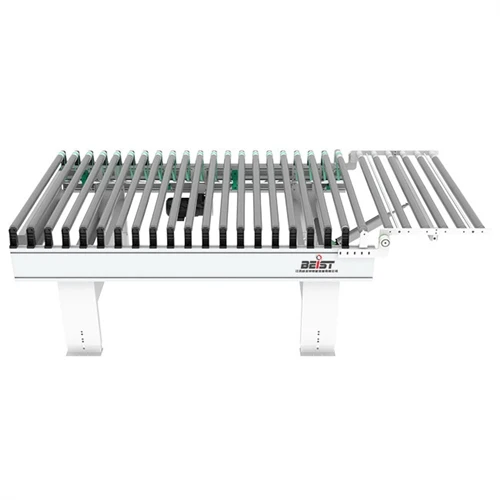
A Curved Roller Conveyor is a common alternative. While it can handle a wide range of materials, the direct contact between the rollers and the sharp - edged material can cause damage to both the material and the rollers. In contrast, the air cushion of an Air Flotation Table Conveyor reduces this risk.
Sorting Roller Conveyor
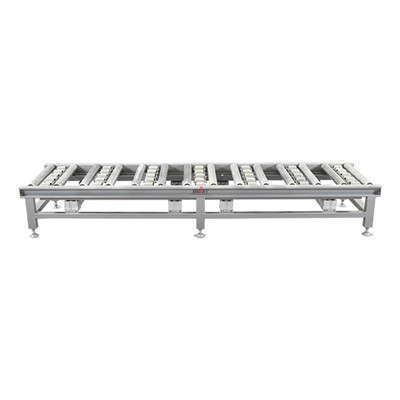
A Sorting Roller Conveyor is designed for sorting and transporting materials. However, the sharp edges of the material may get caught between the rollers, causing jams and downtime. The Air Flotation Table Conveyor, with its smooth and non - contact operation, can avoid these issues.
Industrial Air Table For Board Processing
The Industrial Air Table For Board Processing is similar to the Air Flotation Table Conveyor in some aspects. However, it is specifically designed for board - like materials. The Air Flotation Table Conveyor offers more versatility in handling different shapes and sizes of sharp - edged materials.


Conclusion
In conclusion, Air Flotation Table Conveyors can be used for conveying materials with sharp edges, but there are certain considerations to keep in mind. The reduced contact and smooth movement provided by the air cushion make them a viable option for many industries. However, potential issues such as air leakage and material compatibility need to be addressed.
If you are in an industry that requires the transportation of sharp - edged materials and are considering an Air Flotation Table Conveyor, I encourage you to reach out for a detailed discussion. Our team of experts can help you determine the best solution for your specific needs, taking into account factors such as material type, size, and production requirements. Contact us to start the conversation and explore how our Air Flotation Table Conveyors can enhance your material handling processes.