Sorting systems are crucial in various industries, enabling efficient handling and distribution of goods. A curved roller conveyor can be a valuable component in designing an effective sorting system. As a Curved Roller Conveyor supplier, I've had the privilege of working with numerous clients to develop customized sorting solutions. In this blog post, I'll share some insights on how to design a sorting system using a curved roller conveyor.
Understanding the Basics of a Curved Roller Conveyor
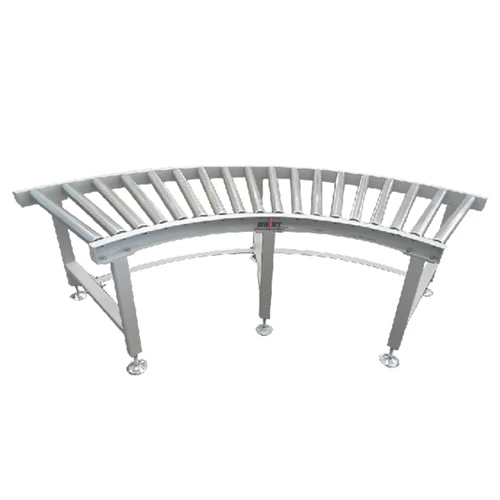
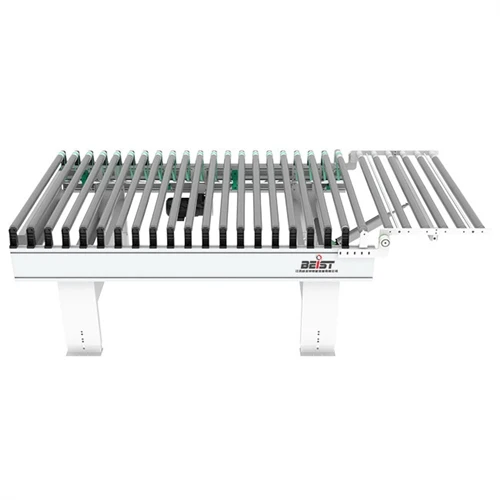
Before delving into the design process, it's essential to understand the basic principles of a curved roller conveyor. A curved roller conveyor consists of a series of rollers mounted on a frame, arranged in a curved path. The rollers are typically powered by a motor, which drives the movement of the conveyor belt or the products directly on the rollers. The curvature of the conveyor allows for smooth and efficient transfer of goods around corners, making it ideal for applications where space is limited or where a continuous flow of products is required.
Key Considerations in Designing a Sorting System
When designing a sorting system using a curved roller conveyor, several key considerations need to be taken into account:
1. Product Characteristics
The first step in designing a sorting system is to understand the characteristics of the products that will be sorted. This includes factors such as the size, weight, shape, and surface texture of the products. Different products may require different types of rollers or conveyor configurations to ensure smooth and efficient handling. For example, lightweight and small products may require smaller rollers, while heavier and larger products may need larger and more robust rollers.
2. Sorting Criteria
The next step is to define the sorting criteria. This could be based on product size, weight, color, shape, or any other relevant characteristic. The sorting system should be designed to accurately identify and separate products based on these criteria. This may involve the use of sensors, cameras, or other detection devices to detect the product characteristics and trigger the sorting mechanism.
3. Conveyor Layout
The layout of the curved roller conveyor is another important consideration. The conveyor should be designed to fit the available space and the flow of products in the facility. It should also be designed to minimize the distance and time required for products to travel through the sorting system. This may involve the use of multiple conveyors, curves, and branches to create a complex and efficient sorting network.
4. Sorting Mechanisms
There are several types of sorting mechanisms that can be used in a curved roller conveyor sorting system. These include pushers, diverters, gates, and tilting trays. The choice of sorting mechanism depends on the product characteristics, sorting criteria, and conveyor layout. For example, pushers are suitable for sorting products based on size or weight, while diverters are more suitable for sorting products based on color or shape.
5. Control System
A control system is essential for the operation of a sorting system. The control system should be designed to monitor and control the movement of the conveyor, the sorting mechanisms, and the detection devices. It should also be able to communicate with other systems in the facility, such as inventory management systems or production control systems. The control system can be programmed to perform various functions, such as sorting products based on predefined rules, adjusting the speed of the conveyor, and generating reports.

Designing the Sorting System
Once the key considerations have been identified, the next step is to design the sorting system. Here is a step-by-step guide on how to design a sorting system using a curved roller conveyor:
Step 1: Define the Requirements
The first step is to define the requirements of the sorting system. This includes the number of products to be sorted per hour, the sorting criteria, the conveyor layout, and the available space. It's important to have a clear understanding of the requirements before starting the design process.
Step 2: Select the Conveyor
Based on the requirements, select the appropriate curved roller conveyor. Consider factors such as the size, capacity, speed, and curvature of the conveyor. The conveyor should be able to handle the products smoothly and efficiently.
Step 3: Choose the Sorting Mechanisms
Select the sorting mechanisms that are most suitable for the product characteristics and sorting criteria. Consider factors such as the accuracy, reliability, and speed of the sorting mechanisms. The sorting mechanisms should be able to accurately identify and separate the products based on the predefined criteria.
Step 4: Design the Conveyor Layout
Design the conveyor layout to fit the available space and the flow of products in the facility. Consider factors such as the number of curves, branches, and merging points. The conveyor layout should be designed to minimize the distance and time required for products to travel through the sorting system.
Step 5: Install the Detection Devices
Install the detection devices, such as sensors and cameras, at the appropriate locations on the conveyor. The detection devices should be able to accurately detect the product characteristics and trigger the sorting mechanisms.
Step 6: Program the Control System
Program the control system to monitor and control the movement of the conveyor, the sorting mechanisms, and the detection devices. The control system should be able to communicate with other systems in the facility and perform various functions, such as sorting products based on predefined rules, adjusting the speed of the conveyor, and generating reports.
Step 7: Test and Optimize the System
Once the sorting system has been installed, test it to ensure that it is working properly. Make any necessary adjustments to the conveyor layout, sorting mechanisms, or control system to optimize the performance of the system.
Additional Considerations
In addition to the key considerations and design steps mentioned above, there are some additional considerations that should be taken into account when designing a sorting system using a curved roller conveyor:
1. Safety
Safety is always a top priority in any industrial environment. The sorting system should be designed to meet all relevant safety standards and regulations. This includes the use of safety guards, emergency stop buttons, and other safety features.
2. Maintenance
The sorting system should be designed to be easy to maintain. This includes the use of modular components, easy access to the conveyor and sorting mechanisms, and regular maintenance schedules.
3. Compatibility
The sorting system should be compatible with other systems in the facility, such as inventory management systems or production control systems. This will ensure that the sorting system can integrate seamlessly with the overall operations of the facility.
4. Cost
The cost of the sorting system is an important consideration. The system should be designed to meet the requirements of the facility while keeping the cost as low as possible. This may involve the use of standard components, efficient design, and cost-effective sorting mechanisms.
Related Products
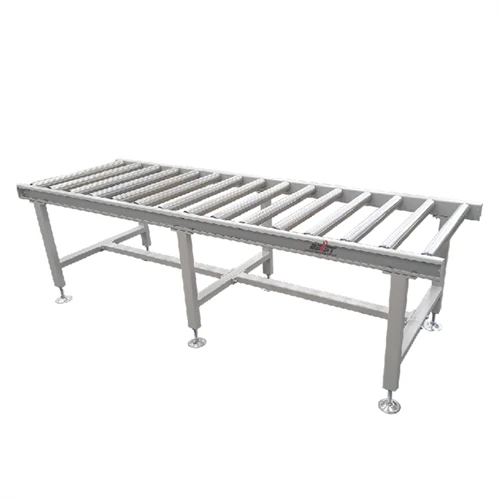
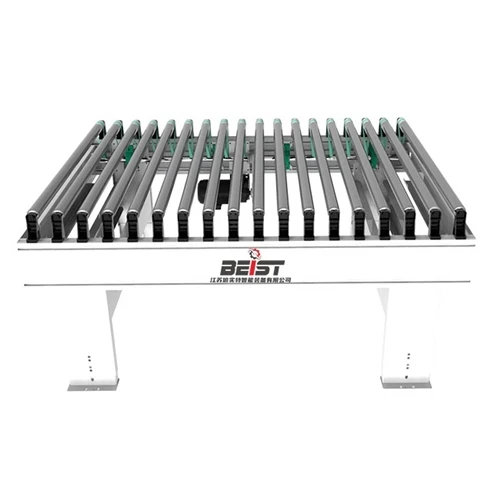
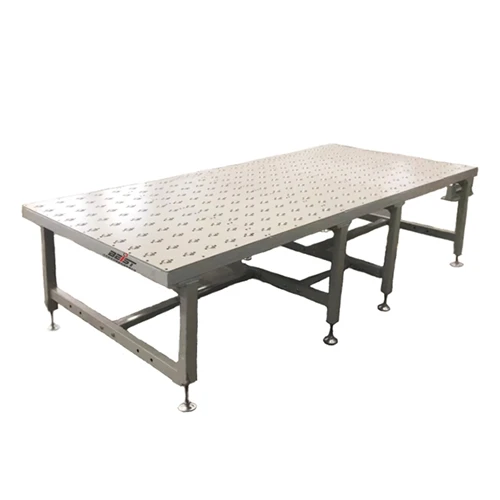
As a Curved Roller Conveyor supplier, we also offer other types of conveyors that can be used in conjunction with the curved roller conveyor to create a complete sorting system. These include Pneumatic Roller Conveyor, Air Flotation Table Conveyor, and Industrial Air Table For Board Processing. These conveyors offer unique features and benefits that can enhance the performance and efficiency of the sorting system.
Conclusion
Designing a sorting system using a curved roller conveyor requires careful consideration of the product characteristics, sorting criteria, conveyor layout, sorting mechanisms, and control system. By following the steps outlined in this blog post and taking into account the additional considerations, you can design a sorting system that is efficient, reliable, and cost-effective. If you have any questions or need further assistance in designing a sorting system, please feel free to contact us. We'll be happy to help you find the best solution for your needs.