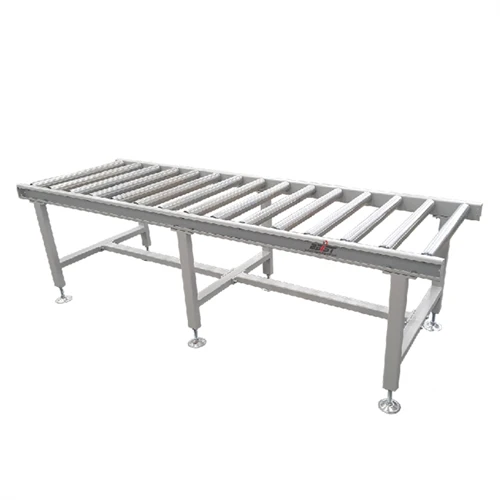
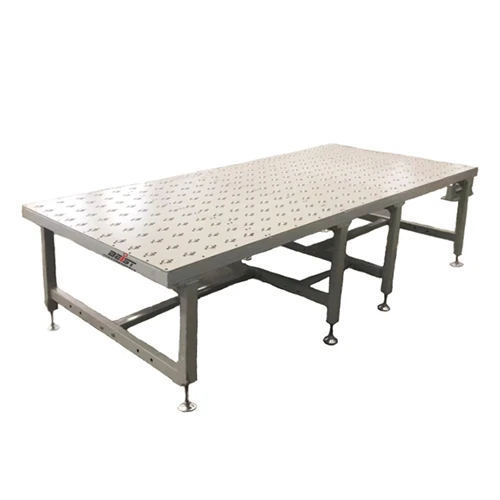
The speed at which a ball transfer table conveyor can move is a critical factor for businesses that rely on efficient material handling. As a leading supplier of ball transfer table conveyors, I often receive inquiries about the maximum speed these conveyors can achieve. In this blog post, I'll delve into the factors that influence the speed of a ball transfer table conveyor and provide insights into how you can optimize its performance.
Understanding Ball Transfer Table Conveyors
Before we discuss the speed, let's briefly understand what a ball transfer table conveyor is. A ball transfer table consists of a flat surface embedded with multiple small balls that can rotate freely in all directions. This design allows for easy movement of objects in any direction, making it ideal for applications where items need to be repositioned or redirected during the conveying process. Ball transfer tables are commonly used in industries such as manufacturing, warehousing, and distribution for tasks like sorting, assembly, and packing.
Factors Affecting the Speed of a Ball Transfer Table Conveyor
Several factors can influence the maximum speed at which a ball transfer table conveyor can operate. Here are some of the key considerations:
1. Load Capacity
The weight and size of the objects being conveyed play a significant role in determining the conveyor's speed. Heavier loads require more force to move, which can limit the conveyor's speed. Additionally, larger objects may require more space to maneuver on the ball transfer table, which can also affect the overall speed of the system. As a general rule, the lighter and smaller the load, the faster the conveyor can operate.
2. Ball Quality and Design
The quality and design of the balls used in the ball transfer table can have a significant impact on its speed. High-quality balls with smooth surfaces and low friction coefficients can reduce resistance and allow for faster movement of objects. Additionally, the size and arrangement of the balls can affect the conveyor's performance. For example, smaller balls may provide more precise movement, while larger balls may be better suited for handling heavier loads.
3. Surface Condition
The condition of the surface on which the ball transfer table is installed can also affect its speed. A smooth and level surface will provide less resistance and allow for faster movement of objects. On the other hand, a rough or uneven surface can cause the balls to bind or skip, which can slow down the conveyor's speed. It's important to ensure that the installation surface is clean, flat, and free of debris to optimize the conveyor's performance.
4. Lubrication
Proper lubrication of the balls and bearings is essential for maintaining the speed and efficiency of the ball transfer table conveyor. Lubrication helps to reduce friction and wear, which can extend the lifespan of the conveyor and improve its performance. It's important to use the recommended lubricant and follow the manufacturer's guidelines for lubrication frequency and application.
5. Conveyor Design and Configuration
The design and configuration of the ball transfer table conveyor can also affect its speed. For example, the length and width of the conveyor, the number of balls, and the spacing between the balls can all impact the conveyor's performance. Additionally, the type of drive system used (e.g., manual, powered) can also affect the speed of the conveyor. It's important to choose a conveyor design and configuration that is suitable for your specific application and requirements.
Maximum Speed of Ball Transfer Table Conveyors
The maximum speed of a ball transfer table conveyor can vary depending on the factors mentioned above. In general, ball transfer table conveyors can operate at speeds ranging from a few feet per minute to several hundred feet per minute. However, it's important to note that the actual speed of the conveyor will depend on the specific application and the load being conveyed.
For light-duty applications, such as handling small parts or packages, a ball transfer table conveyor can typically operate at speeds of up to 100 feet per minute. For medium-duty applications, such as handling larger items or heavier loads, the speed may be limited to around 50 feet per minute. For heavy-duty applications, such as handling large pallets or machinery, the speed may be even lower, typically around 20-30 feet per minute.
It's important to consult with a professional conveyor supplier to determine the appropriate speed for your specific application. A supplier can help you select the right conveyor design, configuration, and components to ensure that your conveyor operates at the optimal speed and efficiency.

Optimizing the Speed of a Ball Transfer Table Conveyor
To optimize the speed of a ball transfer table conveyor, there are several steps you can take:
1. Choose the Right Conveyor Design
As mentioned earlier, the design and configuration of the conveyor can have a significant impact on its speed. When selecting a ball transfer table conveyor, it's important to choose a design that is suitable for your specific application and requirements. Consider factors such as the load capacity, size and shape of the objects being conveyed, and the required speed and throughput.
2. Use High-Quality Components
Using high-quality balls, bearings, and other components can help to reduce friction and improve the performance of the conveyor. Look for components that are made from durable materials and have a low friction coefficient. Additionally, make sure to choose components that are compatible with the conveyor design and configuration.
3. Maintain the Conveyor Regularly
Regular maintenance is essential for ensuring the optimal performance of the ball transfer table conveyor. This includes cleaning the conveyor regularly, lubricating the balls and bearings, and inspecting the conveyor for any signs of wear or damage. By maintaining the conveyor regularly, you can extend its lifespan and improve its performance.
4. Optimize the Load Placement
Proper load placement on the ball transfer table can also help to improve the conveyor's speed and efficiency. Make sure to place the objects evenly on the table and avoid overloading the conveyor. Additionally, consider using guides or dividers to help keep the objects in place and prevent them from shifting during the conveying process.
Related Conveyor Products
In addition to ball transfer table conveyors, there are several other types of conveyors that may be suitable for your application. Here are some related conveyor products that you may be interested in:
- Curved Roller Conveyor: Curved roller conveyors are designed to transport objects around corners and bends. They are commonly used in applications where space is limited or where objects need to be redirected during the conveying process.
- Conveyor Crossover Bridge: Conveyor crossover bridges are used to connect two or more conveyors at different levels or angles. They are commonly used in applications where objects need to be transferred between different conveyor systems.
- Transfer Cart with Turntable: Transfer carts with turntables are used to transport objects between different locations in a facility. They are commonly used in applications where objects need to be moved quickly and efficiently.
Conclusion
The speed at which a ball transfer table conveyor can move is influenced by several factors, including load capacity, ball quality and design, surface condition, lubrication, and conveyor design and configuration. By understanding these factors and taking steps to optimize the conveyor's performance, you can ensure that your conveyor operates at the optimal speed and efficiency.
If you're in the market for a ball transfer table conveyor or any other type of conveyor, I encourage you to contact us. As a leading supplier of conveyor systems, we have the expertise and experience to help you select the right conveyor for your specific application and requirements. We offer a wide range of conveyor products, including ball transfer table conveyors, curved roller conveyors, conveyor crossover bridges, and transfer carts with turntables. Contact us today to learn more about our products and services and to discuss your conveyor needs.