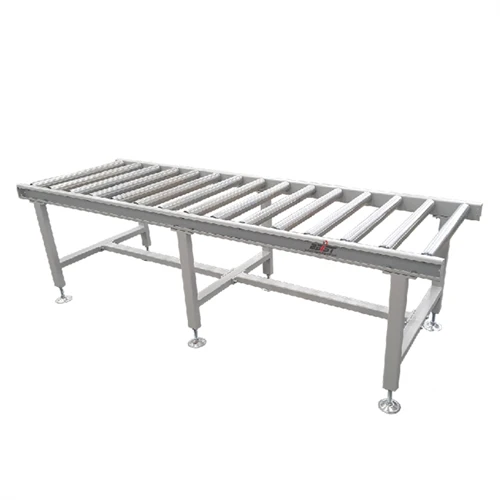
Hey there! As a supplier of Gravity Roller Conveyors, I know how important it is to keep those rollers clean. A clean set of rollers not only ensures smooth operation but also extends the lifespan of your conveyor system. In this blog, I'll share some practical tips on how to maintain the cleanliness of the rollers in a gravity roller conveyor.
Why Cleanliness Matters
First off, let's talk about why keeping the rollers clean is such a big deal. When dirt, dust, debris, or even small particles accumulate on the rollers, it can cause a whole bunch of problems. For starters, it can increase friction between the rollers and the items being conveyed. This means your conveyor might not work as efficiently as it should, and you could end up with slower throughput.
Moreover, dirty rollers can lead to uneven wear and tear. Some parts of the roller might get more stressed than others, which can eventually lead to premature failure. And let's not forget about the potential for product damage. If there's debris on the rollers, it could scratch or damage the items being transported. So, regular cleaning is essential to keep your conveyor running smoothly and your products safe.
Regular Inspections
The first step in maintaining roller cleanliness is to conduct regular inspections. You should check your rollers at least once a week, or more often if your conveyor is in a high - traffic or dirty environment. Look for any signs of dirt, debris, or damage. Pay special attention to the areas where the rollers come into contact with the items being conveyed, as this is where most of the dirt will accumulate.
If you notice any build - up, it's time to clean the rollers. You can use a simple visual inspection, but for a more thorough check, you might want to use a magnifying glass to spot any tiny particles that could cause problems down the line.
Cleaning Methods
Now, let's get into the actual cleaning methods. There are a few different ways to clean the rollers, depending on the type of dirt and debris you're dealing with.
Dry Cleaning
For light dirt and dust, dry cleaning is often the best option. You can use a soft brush or a compressed air gun to remove the loose particles. A soft - bristle brush is great for getting into the nooks and crannies of the rollers. Just gently brush along the length of the roller to dislodge the dirt.
If you're using a compressed air gun, make sure to hold it at a safe distance from the roller to avoid damaging it. Move the gun back and forth along the roller to blow away the dust. This method is quick and easy, and it's a good way to do a regular maintenance clean.
Wet Cleaning
For more stubborn dirt, grease, or oil, you'll need to use a wet cleaning method. You can use a mild detergent and warm water solution. Dip a clean cloth or sponge into the solution and wring it out so it's damp, not soaking wet. Then, wipe the rollers gently. Make sure to clean both the surface of the roller and the ends.
After wiping, rinse the rollers with clean water to remove any detergent residue. You can use a spray bottle or a hose to do this. Once you've rinsed, dry the rollers thoroughly with a clean, dry cloth. This will prevent rust and corrosion.
Specialized Cleaning Agents
In some cases, you might need to use specialized cleaning agents. For example, if there's a lot of grease or oil on the rollers, you can use a degreaser. Just make sure to follow the manufacturer's instructions when using any cleaning agents. Some degreasers can be harsh, so you'll want to test them on a small area of the roller first to make sure they don't damage the surface.

Lubrication
While not strictly a cleaning method, proper lubrication is important for maintaining the cleanliness and performance of the rollers. Lubrication reduces friction between the rollers and their bearings, which can prevent dirt and debris from getting trapped.
You should use a high - quality lubricant that's suitable for your conveyor system. Apply the lubricant according to the manufacturer's recommendations. Over - lubricating can also be a problem, as it can attract more dirt. So, make sure to use the right amount.
Preventive Measures
In addition to regular cleaning, there are some preventive measures you can take to keep the rollers clean.
Dust Covers
Installing dust covers can help protect the rollers from dust and debris. Dust covers can be made of a variety of materials, such as plastic or fabric. They can be custom - made to fit your conveyor system. By keeping dust out, you'll reduce the amount of cleaning you need to do.
Seals and Gaskets
Using seals and gaskets around the roller bearings can prevent dirt and moisture from getting into the bearings. This can help extend the life of the bearings and keep the rollers running smoothly.
Proper Loading and Unloading
Make sure your operators are trained to load and unload items onto the conveyor properly. Overloading the conveyor or dropping items onto the rollers can cause damage and increase the amount of dirt and debris that gets on the rollers.
Conclusion
Maintaining the cleanliness of the rollers in a gravity roller conveyor is crucial for the efficient operation and longevity of your system. By conducting regular inspections, using the right cleaning methods, lubricating the rollers, and taking preventive measures, you can keep your conveyor running smoothly.
If you're in the market for a new Unpowered Roller Conveyor, Roller Transfer Cart On Rail, or Ball Transfer Table Conveyor, we're here to help. We offer high - quality conveyor systems that are built to last. If you have any questions or are interested in a purchase, don't hesitate to reach out for a procurement discussion.