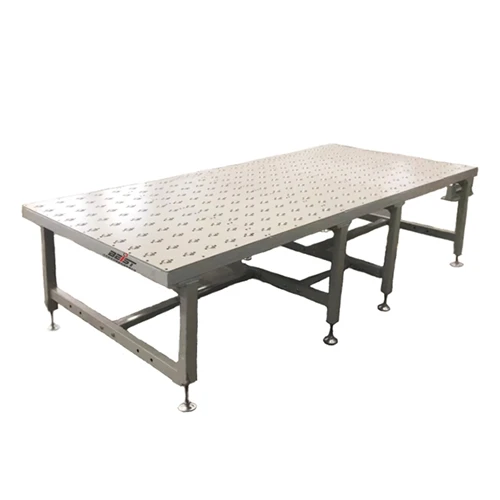
As a supplier of Automatic Flip Machines, I often get asked whether these machines require special maintenance. The short answer is yes, but the details are more nuanced. In this blog post, I'll delve into the maintenance requirements of Automatic Flip Machines, explain why they are crucial, and provide some practical tips to ensure your machine runs smoothly.
Why Maintenance is Essential for Automatic Flip Machines
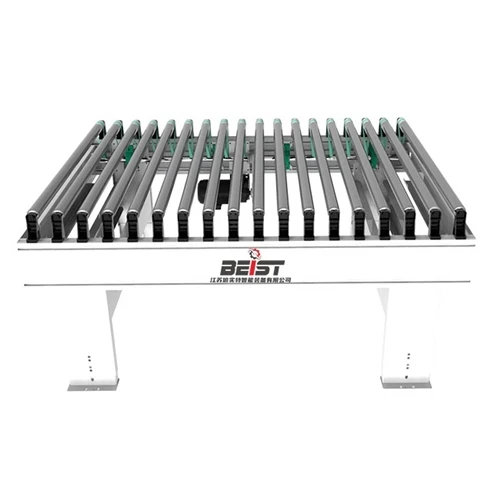
Automatic Flip Machines are complex pieces of equipment designed to handle various tasks, such as flipping products during the manufacturing or packaging process. These machines operate under high precision and often at high speeds, which means any malfunction can lead to production delays, increased costs, and even safety hazards.
Regular maintenance helps to prevent breakdowns, extend the lifespan of the machine, and ensure consistent performance. It also allows you to identify and address potential issues before they escalate into major problems. By investing in proper maintenance, you can minimize downtime, improve productivity, and ultimately enhance your bottom line.
Special Maintenance Requirements
While the basic maintenance tasks for Automatic Flip Machines are similar to those of other industrial equipment, there are some specific requirements that need to be addressed. Here are some key areas to focus on:
Cleaning: Regular cleaning is essential to remove dirt, debris, and dust that can accumulate on the machine's components. This includes the flipping mechanism, conveyor belts, sensors, and control panels. Use a soft brush or compressed air to clean hard-to-reach areas, and avoid using abrasive cleaners that could damage the machine's surfaces.
Lubrication: Proper lubrication is crucial to ensure smooth operation and reduce wear and tear on moving parts. Follow the manufacturer's recommendations for the type and frequency of lubrication. Over-lubrication can attract dirt and cause problems, while under-lubrication can lead to increased friction and premature failure.
Inspection: Regular inspections are necessary to identify any signs of wear, damage, or misalignment. Check the machine's belts, chains, gears, and bearings for signs of wear, and replace any worn or damaged parts immediately. Inspect the electrical connections and wiring for loose or damaged components, and ensure that all safety guards are in place and functioning properly.
Calibration: Automatic Flip Machines rely on precise calibration to ensure accurate flipping and positioning of products. Regular calibration is necessary to maintain the machine's accuracy and performance. Follow the manufacturer's instructions for calibration, and use the appropriate tools and equipment to ensure accurate measurements.
Software Updates: Many Automatic Flip Machines are equipped with advanced software that controls their operation. Regular software updates are necessary to ensure the machine's performance and security. Check the manufacturer's website for the latest software updates, and follow the instructions for installation.
Practical Tips for Maintenance
Here are some practical tips to help you maintain your Automatic Flip Machine:
Create a Maintenance Schedule: Develop a regular maintenance schedule based on the manufacturer's recommendations and your specific operating conditions. This will help you stay organized and ensure that all maintenance tasks are completed on time.
Train Your Staff: Provide your staff with proper training on the operation and maintenance of the Automatic Flip Machine. This will help them identify potential issues and perform basic maintenance tasks, such as cleaning and lubrication.
Keep Spare Parts on Hand: Keep a supply of spare parts on hand to minimize downtime in the event of a breakdown. This includes belts, chains, gears, bearings, and other commonly replaced components.
Monitor Performance: Regularly monitor the performance of the Automatic Flip Machine to identify any changes or issues. This can include monitoring the machine's speed, accuracy, and throughput, as well as any error messages or alarms.
Work with a Professional: If you encounter any major issues or need assistance with maintenance, consider working with a professional maintenance service. They have the expertise and experience to diagnose and repair complex problems, and can provide you with ongoing support and maintenance.
Related Equipment and Their Maintenance
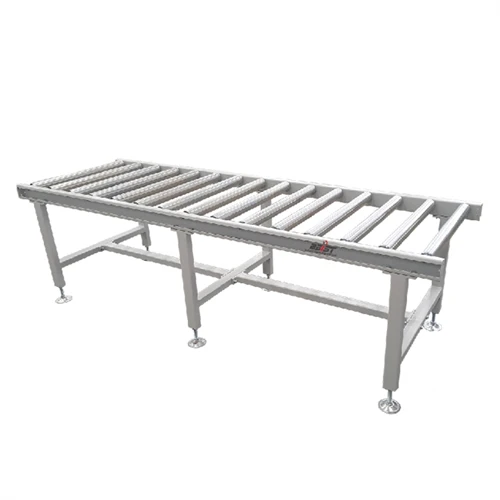
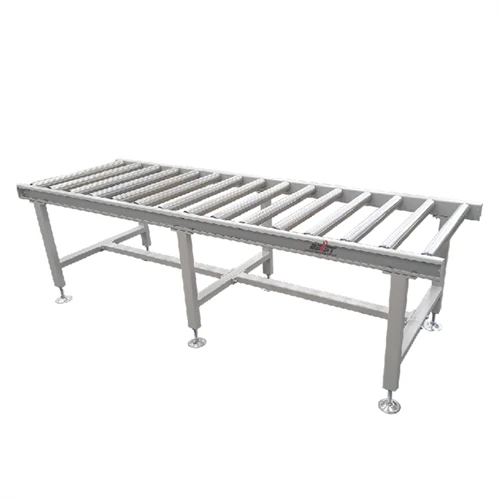
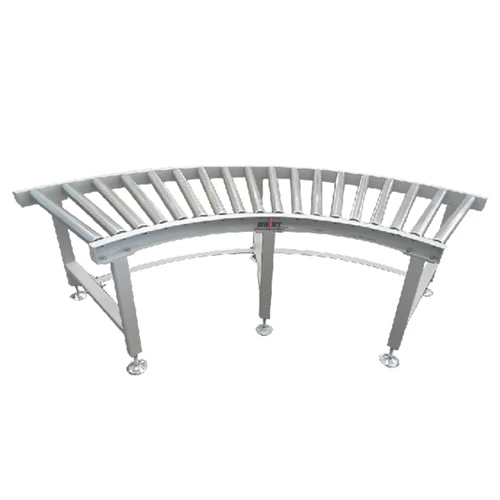
In addition to the Automatic Flip Machine, there are other related equipment that may be used in the same production line. These include the Cross Conveyor Bi-Directional, RGV Single Row Power Tour Car, and Chain Driven Live Roller Conveyor. Each of these equipment also has its own maintenance requirements.
The Cross Conveyor Bi-Directional requires regular cleaning of the conveyor belts and rollers to prevent debris buildup. Lubrication of the moving parts is also important to ensure smooth operation. The RGV Single Row Power Tour Car needs to have its batteries checked and charged regularly, and the track system should be inspected for any signs of wear or damage. The Chain Driven Live Roller Conveyor requires regular chain tension adjustment and lubrication to prevent chain slippage and ensure proper operation.

Conclusion
In conclusion, Automatic Flip Machines do require special maintenance to ensure their optimal performance and longevity. By following the maintenance requirements outlined above and implementing the practical tips provided, you can keep your machine running smoothly and minimize downtime. Remember, regular maintenance is an investment in the long-term success of your business.
If you are interested in purchasing an Automatic Flip Machine or need more information about maintenance and support, please feel free to contact us. We are here to help you find the right solution for your specific needs and ensure that your machine operates at its best.