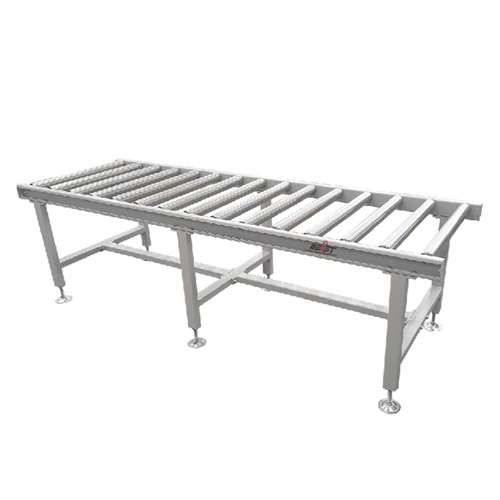
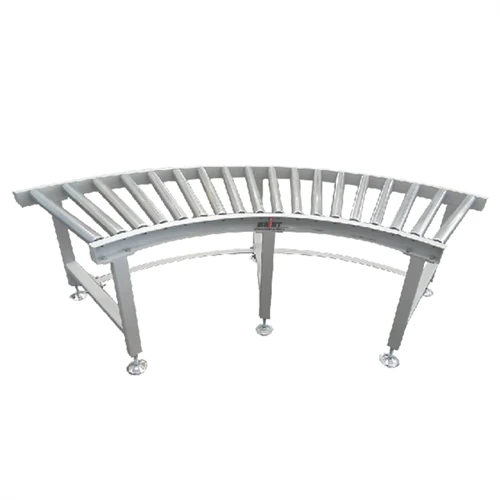
In the world of material handling, gravity roller conveyors play a pivotal role. As a leading supplier of Gravity Roller Conveyors, I am often asked about various aspects of these conveyors, and one question that frequently comes up is: "What is the surface finish of the rollers on a gravity roller conveyor?"
Understanding the Basics of Gravity Roller Conveyors
Gravity roller conveyors are a simple yet effective solution for moving goods from one point to another. They rely on the force of gravity to transport items, making them a cost - effective and energy - efficient option for many industries. The rollers are the heart of these conveyors, and their surface finish can significantly impact the performance of the entire system.
Types of Surface Finishes for Rollers
1. Plain Steel Finish
Plain steel rollers are the most basic type. They are made of steel and have a simple, uncoated surface. This finish is cost - effective and suitable for many general applications. However, plain steel rollers are prone to rust and corrosion, especially in humid or wet environments. They also have a relatively high coefficient of friction, which can slow down the movement of goods on the conveyor.
2. Galvanized Finish
Galvanized rollers are steel rollers that have been coated with a layer of zinc. This coating provides excellent protection against rust and corrosion, making galvanized rollers ideal for outdoor or harsh environments. The zinc coating also gives the rollers a smooth surface, which reduces friction and allows for smoother movement of goods. Galvanized rollers are commonly used in industries such as agriculture, construction, and waste management.
3. Powder - Coated Finish
Powder coating is a popular surface finish for rollers. It involves applying a dry powder to the roller surface and then baking it to form a hard, durable coating. Powder - coated rollers can be customized in terms of color, which is useful for branding or visual identification purposes. The coating also provides good protection against scratches, chemicals, and UV rays. Powder - coated rollers are often used in industries such as automotive, electronics, and food processing.
4. Rubber - Coated Finish
Rubber - coated rollers have a layer of rubber on their surface. This finish provides high friction, which is useful for applications where goods need to be held in place or where there is a need for precise control of movement. Rubber - coated rollers are commonly used in sorting and accumulation applications. For example, in a Sorting Roller Conveyor, rubber - coated rollers can help in accurately directing packages to their intended destinations.
5. Stainless Steel Finish
Stainless steel rollers are made of high - quality stainless steel, which offers excellent corrosion resistance. They are hygienic and easy to clean, making them suitable for industries such as food and beverage, pharmaceuticals, and electronics. Stainless steel rollers also have a smooth surface, which reduces friction and allows for efficient movement of goods.

Factors Affecting the Choice of Surface Finish
1. Environment
The environment in which the conveyor will operate is a crucial factor in choosing the surface finish. For example, in a wet or humid environment, galvanized or stainless steel rollers are a better choice than plain steel rollers. In a food processing facility, stainless steel or powder - coated rollers are preferred due to their hygienic properties.
2. Type of Goods
The type of goods being transported also affects the choice of surface finish. If the goods are fragile or have a smooth surface, a low - friction finish such as stainless steel or powder - coated rollers may be suitable. On the other hand, if the goods need to be held in place or require a high - friction surface, rubber - coated rollers are a better option.
3. Cost
Cost is always a consideration when choosing a surface finish. Plain steel rollers are the most cost - effective option, while stainless steel and rubber - coated rollers are more expensive. However, the long - term benefits of a more expensive finish, such as durability and reduced maintenance, may outweigh the initial cost.
Importance of Surface Finish in Gravity Roller Conveyors
The surface finish of the rollers has a direct impact on the performance of the gravity roller conveyor. A smooth surface finish reduces friction, which allows for faster and more efficient movement of goods. It also reduces wear and tear on the rollers and the goods being transported, which can extend the lifespan of the conveyor system.
In addition, the right surface finish can improve the safety of the conveyor. For example, a high - friction surface finish can prevent goods from slipping off the conveyor, reducing the risk of accidents.
Applications of Different Surface Finishes
1. General Material Handling
For general material handling applications, plain steel or galvanized rollers are often used. These finishes are cost - effective and suitable for a wide range of goods. They can be found in warehouses, distribution centers, and manufacturing facilities.
2. Wood Panel Handling
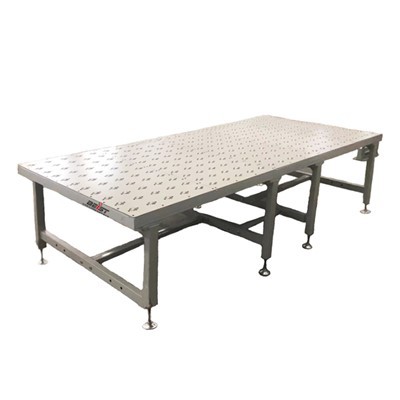
In the wood panel industry, Ball Transfer Table For Wood Panel Handling may use rollers with a specific surface finish. For example, powder - coated rollers can protect the wood panels from scratches and provide a smooth surface for easy movement.
3. Sorting and Accumulation
In sorting and accumulation applications, rubber - coated rollers are commonly used. The high friction of the rubber surface allows for precise control of the movement of goods, making it easier to sort and accumulate items on the conveyor.
Maintenance of Rollers with Different Surface Finishes
1. Plain Steel Rollers
Plain steel rollers require regular cleaning and lubrication to prevent rust and corrosion. They may also need to be repainted or coated if the surface becomes damaged.
2. Galvanized Rollers
Galvanized rollers are relatively low - maintenance. However, they should be inspected regularly for signs of damage to the zinc coating. If the coating is damaged, it should be repaired to prevent rust.
3. Powder - Coated Rollers
Powder - coated rollers are easy to clean and maintain. They can be wiped down with a damp cloth to remove dirt and debris. If the coating is scratched, it can be touched up with a matching powder coating.
4. Rubber - Coated Rollers
Rubber - coated rollers should be inspected regularly for signs of wear. If the rubber is worn, it may need to be replaced to maintain the high - friction surface.
5. Stainless Steel Rollers
Stainless steel rollers are highly resistant to corrosion and require minimal maintenance. They can be cleaned with a mild detergent and water to keep them looking clean and shiny.
Conclusion
The surface finish of the rollers on a gravity roller conveyor is an important factor that can significantly impact the performance, durability, and safety of the conveyor system. As a supplier of Unpowered Roller Conveyor, we understand the importance of choosing the right surface finish for your specific application. Whether you need a cost - effective plain steel finish or a high - performance rubber - coated finish, we can provide you with the best solution.
If you are in the market for a gravity roller conveyor and need advice on the surface finish of the rollers, or if you have any other questions about our products, please do not hesitate to contact us. We are here to help you make the right choice for your material handling needs.