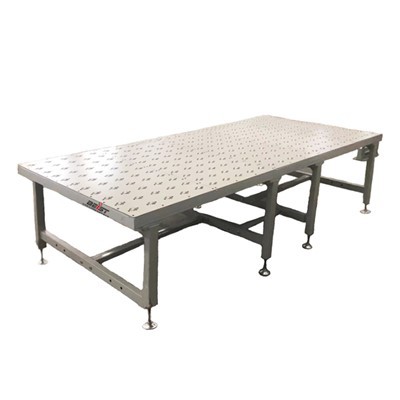
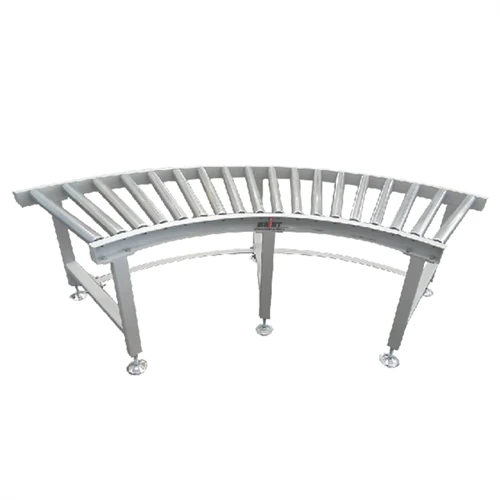
As a provider of Ball Transfer Table Conveyors, I understand the importance of proper maintenance to ensure the longevity and optimal performance of these essential pieces of equipment. In this blog post, I will delve into the key maintenance requirements for a ball transfer table conveyor, offering insights and practical tips to help you keep your conveyor running smoothly.
Regular Cleaning
One of the most fundamental maintenance tasks for a ball transfer table conveyor is regular cleaning. Over time, dust, debris, and other contaminants can accumulate on the surface of the balls and the conveyor frame, which can impede the smooth movement of the conveyor and cause premature wear and tear. To prevent this, it is recommended to clean the conveyor at least once a week, or more frequently in environments with high levels of dust or debris.
To clean the conveyor, start by removing any loose debris from the surface of the balls and the frame using a soft brush or compressed air. Then, use a mild detergent and water solution to clean the surface of the balls and the frame, taking care to avoid getting water into the bearings or other moving parts. After cleaning, dry the conveyor thoroughly to prevent rust and corrosion.
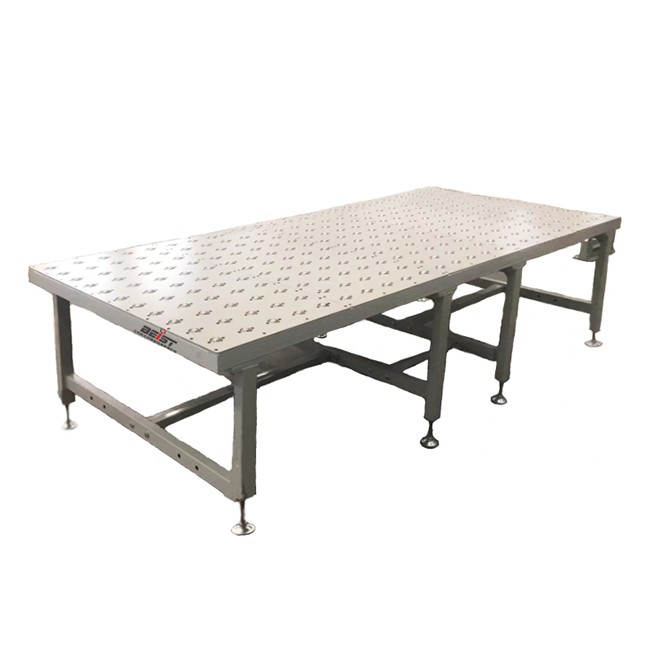
Lubrication
Proper lubrication is essential for the smooth operation of a ball transfer table conveyor. The balls and bearings on the conveyor require regular lubrication to reduce friction and wear, which can extend the lifespan of the conveyor and improve its performance. It is recommended to lubricate the conveyor at least once a month, or more frequently in high-speed or high-load applications.
When lubricating the conveyor, use a high-quality lubricant that is specifically designed for ball transfer table conveyors. Apply the lubricant to the balls and bearings using a brush or a spray, taking care to ensure that the lubricant is evenly distributed. Avoid over-lubricating the conveyor, as this can attract dust and debris and cause the conveyor to malfunction.
Inspection and Maintenance
Regular inspection and maintenance are crucial for identifying and addressing any potential issues with the ball transfer table conveyor before they become major problems. It is recommended to inspect the conveyor at least once a month, or more frequently in high-speed or high-load applications.
During the inspection, check the balls and bearings for signs of wear or damage, such as cracks, chips, or excessive play. Check the conveyor frame for any signs of deformation or damage, such as bent or broken sections. Check the drive system, if applicable, for any signs of wear or damage, such as loose belts or chains.
If any issues are identified during the inspection, they should be addressed immediately to prevent further damage to the conveyor. Depending on the nature of the issue, this may involve replacing the damaged parts, adjusting the conveyor settings, or performing other maintenance tasks.
Belt Tensioning
If the ball transfer table conveyor is equipped with a belt drive system, it is important to ensure that the belt is properly tensioned. A loose belt can cause the conveyor to slip or malfunction, while an over-tightened belt can cause excessive wear and tear on the belt and the drive system.
To check the belt tension, start by turning off the conveyor and removing the belt cover. Then, use a belt tension gauge to measure the tension of the belt. The tension should be within the manufacturer's recommended range. If the belt is too loose, adjust the tension by tightening the belt tensioner. If the belt is too tight, adjust the tension by loosening the belt tensioner.
Alignment
Proper alignment is essential for the smooth operation of a ball transfer table conveyor. Misaligned conveyors can cause the balls to wear unevenly, which can lead to premature failure of the conveyor. It is recommended to check the alignment of the conveyor at least once a month, or more frequently in high-speed or high-load applications.
To check the alignment of the conveyor, start by turning off the conveyor and removing the belt cover. Then, use a straightedge or a laser alignment tool to check the alignment of the conveyor frame and the balls. The conveyor frame should be level and straight, and the balls should be aligned with each other. If any misalignment is detected, it should be corrected immediately to prevent further damage to the conveyor.
Safety Precautions
When performing maintenance on a ball transfer table conveyor, it is important to take appropriate safety precautions to prevent accidents and injuries. Always wear appropriate personal protective equipment, such as safety glasses, gloves, and earplugs. Follow the manufacturer's instructions and safety guidelines when performing maintenance tasks.
Before performing any maintenance tasks, make sure that the conveyor is turned off and the power is disconnected. Lock out the power source to prevent accidental startup of the conveyor. Use caution when working around moving parts, and avoid reaching into the conveyor while it is running.
Conclusion
Proper maintenance is essential for the longevity and optimal performance of a ball transfer table conveyor. By following the maintenance requirements outlined in this blog post, you can ensure that your conveyor runs smoothly and efficiently, and avoid costly downtime and repairs.
If you have any questions or need further information about the maintenance requirements for a ball transfer table conveyor, please feel free to contact us. We are a leading provider of ball transfer table conveyors and can offer you expert advice and support to help you keep your conveyor running smoothly.