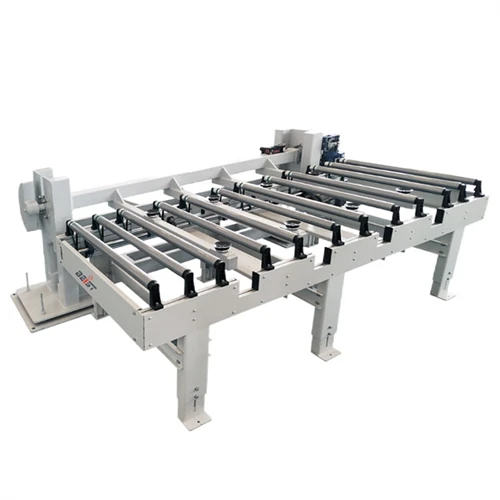
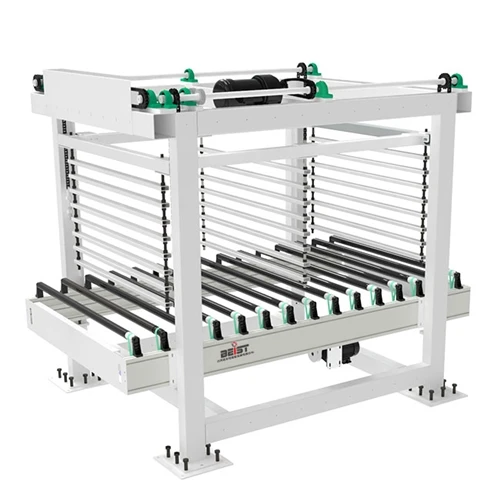
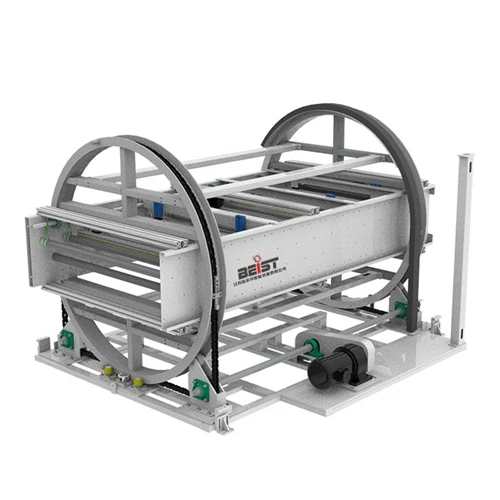
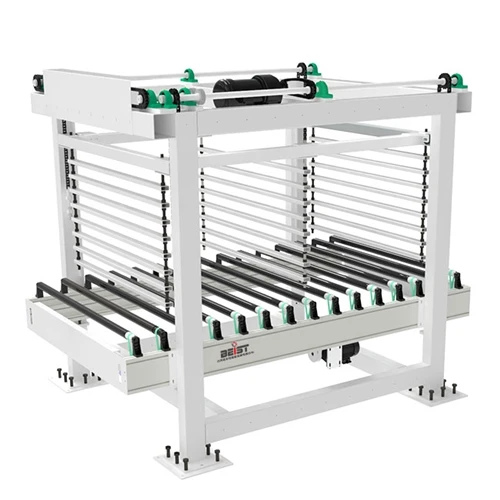
As a supplier of Air Flotation Table Conveyors, I often encounter customers who are curious about the lubrication requirements of these innovative systems. In this blog post, I'll delve into the details of what lubrication is needed for an Air Flotation Table Conveyor, why it's important, and how to ensure proper maintenance.
Understanding Air Flotation Table Conveyors
Before we discuss lubrication, let's briefly understand what an Air Flotation Table Conveyor is. These conveyors use a thin layer of air to float and transport objects across a flat surface. This technology offers several advantages, such as reduced friction, gentle handling of delicate items, and high-speed operation. The air cushion created by the system minimizes contact between the conveyed material and the conveyor surface, which in turn reduces wear and tear.
Why Lubrication is Necessary
Although Air Flotation Table Conveyors rely on air to move materials, certain components still require lubrication. Lubrication serves several crucial functions:
- Reducing Friction: Even with the air cushion, there are mechanical parts in the conveyor system that move against each other. Lubrication helps to reduce the friction between these parts, which can prevent premature wear and extend the lifespan of the components.
- Preventing Corrosion: Lubricants can act as a barrier against moisture and other corrosive elements. This is especially important in environments where the conveyor may be exposed to humidity or chemicals.
- Enhancing Performance: Proper lubrication ensures smooth operation of the conveyor. It can reduce noise, vibration, and energy consumption, leading to more efficient and reliable performance.
Lubrication Points in an Air Flotation Table Conveyor
The specific lubrication points in an Air Flotation Table Conveyor can vary depending on the design and configuration of the system. However, there are some common areas that typically require lubrication:
- Bearing Assemblies: Bearings are used to support rotating shafts in the conveyor system. These bearings need to be lubricated regularly to ensure smooth rotation and prevent overheating.
- Drive Components: If the conveyor has a motor or other drive mechanisms, the moving parts of these components may require lubrication. This includes gears, chains, and belts.
- Guide Rails and Tracks: The guide rails and tracks that help to keep the conveyed material in place may also benefit from lubrication. This can reduce friction and ensure smooth movement along the conveyor.
Types of Lubricants
There are several types of lubricants available, and the choice of lubricant depends on various factors such as the operating conditions, the type of components being lubricated, and the manufacturer's recommendations. Here are some common types of lubricants used in Air Flotation Table Conveyors:
- Mineral Oils: Mineral oils are a popular choice for general lubrication purposes. They are relatively inexpensive and offer good lubricating properties. However, they may not be suitable for high-temperature or high-speed applications.
- Synthetic Oils: Synthetic oils are designed to offer superior performance in extreme conditions. They have better thermal stability, oxidation resistance, and viscosity characteristics compared to mineral oils. Synthetic oils are often used in high-performance conveyor systems.
- Greases: Greases are a semi-solid lubricant that is made by mixing a thickening agent with a base oil. Greases are ideal for applications where the lubricant needs to stay in place and provide long-lasting lubrication. They are commonly used in bearing assemblies and other areas where there is limited access for re-lubrication.
Lubrication Frequency
The frequency of lubrication depends on several factors, including the operating conditions, the type of lubricant used, and the manufacturer's recommendations. In general, it's a good idea to follow a regular lubrication schedule to ensure optimal performance and prevent premature wear. Here are some guidelines to consider:
- Daily or Weekly Checks: For critical components such as bearings and drive mechanisms, it's a good idea to perform daily or weekly visual inspections to check for signs of wear or lubricant leakage.
- Monthly or Quarterly Lubrication: Depending on the operating conditions, some components may require monthly or quarterly lubrication. This includes guide rails, tracks, and other non-critical parts.
- Annual Maintenance: Once a year, it's recommended to perform a comprehensive maintenance check on the conveyor system. This may include disassembling and cleaning the components, replacing worn parts, and re-lubricating all necessary points.
Best Practices for Lubrication
To ensure proper lubrication of an Air Flotation Table Conveyor, it's important to follow some best practices:
- Use the Right Lubricant: Always use the lubricant recommended by the manufacturer. Using the wrong lubricant can lead to poor performance, premature wear, and even damage to the components.
- Apply the Lubricant Correctly: Follow the manufacturer's instructions for applying the lubricant. This may include using the correct amount of lubricant, applying it to the right areas, and using the appropriate tools.
- Keep the Conveyor Clean: Regularly clean the conveyor to remove dirt, debris, and other contaminants. This can help to prevent the lubricant from becoming contaminated and ensure its effectiveness.
- Monitor the Lubrication: Keep track of the lubrication schedule and monitor the performance of the conveyor. If you notice any changes in the operation of the conveyor, such as increased noise or vibration, it may be a sign that the lubrication needs to be adjusted.
Related Products
In addition to Air Flotation Table Conveyors, we also offer a range of other conveyor products, including Unpowered Roller Conveyor, Roller Transfer Cart On Rail, and Roller Conveyor Cart. These products are designed to meet the diverse needs of our customers and can be customized to fit specific applications.
Conclusion
Proper lubrication is essential for the optimal performance and longevity of an Air Flotation Table Conveyor. By understanding the lubrication requirements, using the right lubricant, and following a regular lubrication schedule, you can ensure that your conveyor system operates smoothly and efficiently. If you have any questions or need further information about lubrication or our Air Flotation Table Conveyors, please don't hesitate to contact us. We're here to help you make the right choices for your business.


References
- Manufacturer's manuals and documentation for Air Flotation Table Conveyors
- Industry standards and guidelines for conveyor lubrication
- Technical articles and research papers on conveyor technology