Hey there! As a supplier of cross conveyors, I've been getting a lot of questions lately about the cost - effectiveness analysis methods for these nifty machines. So, I thought I'd break it down for you in this blog post.
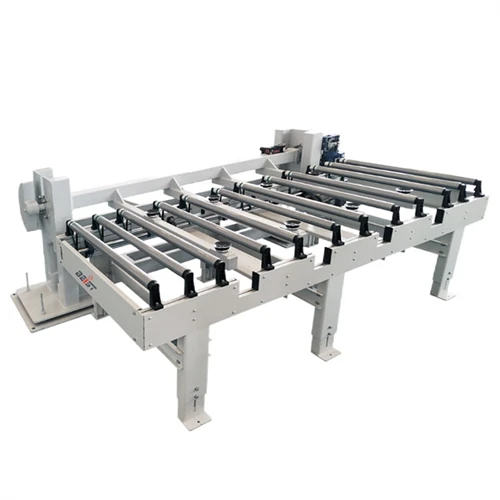
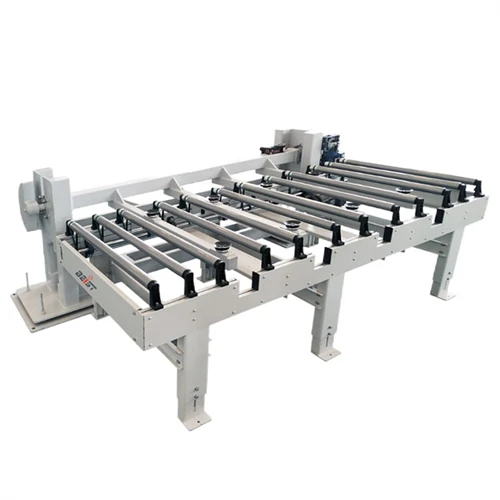
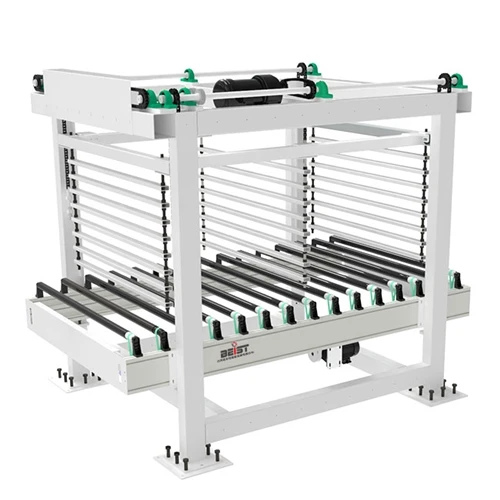
First off, what's the deal with cross conveyors? Well, a cross conveyor is a game - changer in the material handling industry. It's designed to move goods across different paths, which is super helpful in warehouses, factories, and all sorts of processing plants. And if you're looking for a cross conveyor with some extra features, check out the Cross Conveyor with Rotation Function. It's got that special rotation ability that can really boost your efficiency.
Now, let's dive into the cost - effectiveness analysis methods. The first one I want to talk about is the payback period method. This is pretty straightforward. You figure out how long it's going to take for the money you invest in the cross conveyor to be paid back through the savings or additional revenue it generates.
Let's say you buy a cross conveyor for $50,000. And because of this conveyor, you're saving $10,000 a year in labor costs and increasing your production output, which brings in an extra $5,000 a year in revenue. So, in total, you're getting an extra $15,000 a year. To find the payback period, you divide the initial investment ($50,000) by the annual net cash flow ($15,000). In this case, the payback period is about 3.33 years. A shorter payback period is generally better, as it means you're getting your money back quicker.


Another important method is the net present value (NPV) method. This one takes into account the time value of money. You see, a dollar today is worth more than a dollar in the future. So, when you're analyzing the cost - effectiveness of a cross conveyor, you need to discount the future cash flows back to the present.
Let's assume the same cross conveyor that costs $50,000. You expect to get cash flows of $15,000 per year for the next five years. You also have a discount rate of 10% (this is a common rate that reflects the cost of capital or the return you could get from other investments). You calculate the present value of each year's cash flow and then sum them up. If the NPV is positive, it means the investment is worth it. If it's negative, you might want to think twice.
The internal rate of return (IRR) is also a key metric. The IRR is the discount rate at which the NPV of an investment is zero. In simpler terms, it's the rate of return that the cross conveyor is expected to generate. If the IRR is higher than your required rate of return (say, the cost of borrowing money or the return from other similar investments), then it's a good investment.
When you're doing these cost - effectiveness analyses, you also need to consider some other factors. For example, maintenance costs. Cross conveyors, like any other machinery, need regular maintenance to keep them running smoothly. You need to factor in the cost of spare parts, labor for repairs, and any downtime that might occur during maintenance.
Energy costs are another biggie. A more energy - efficient cross conveyor might cost a bit more upfront, but it can save you a ton of money in the long run. You should look at the power consumption ratings and compare different models to find the most cost - effective option in terms of energy use.
And then there's the issue of compatibility. You need to make sure that the cross conveyor you choose is compatible with your existing production line or warehouse setup. If it's not, you might need to make some costly modifications.
Let's talk about some real - world applications. In a large - scale e - commerce warehouse, a cross conveyor can be a lifesaver. It can quickly move packages from different sorting areas to the shipping docks. By using the payback period method, the warehouse managers can see how long it will take to recoup the cost of the conveyor through reduced labor and faster shipping times.
If you're in the manufacturing industry, a cross conveyor can help you move raw materials and finished products between different workstations. The NPV and IRR methods can help you decide whether investing in a new cross conveyor or upgrading an old one is a smart move.
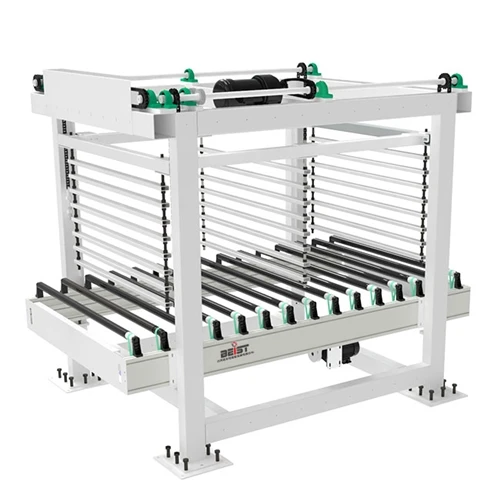
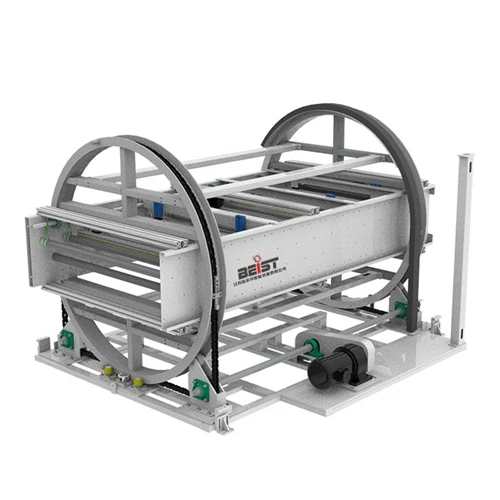
Now, I also want to mention some related equipment that can work in tandem with cross conveyors. The RGV Single Row Power Tour Car can transport goods along a fixed path and can be integrated with cross conveyors to create a more efficient material handling system. And the Automatic Flip Machine can be used to turn products over, which might be necessary for certain manufacturing or packaging processes.
In conclusion, when it comes to analyzing the cost - effectiveness of a cross conveyor, there's no one - size - fits - all approach. You need to use a combination of methods like payback period, NPV, and IRR, and also consider factors like maintenance costs, energy consumption, and compatibility.
If you're in the market for a cross conveyor or want to learn more about how to do a proper cost - effectiveness analysis, don't hesitate to reach out. We're here to help you make the best decision for your business. Whether you're a small - scale operation or a large corporation, we've got the right cross conveyor solutions for you. Let's start a conversation and see how we can improve your material handling processes and boost your bottom line.
References:
- Cost - Benefit Analysis: Concepts and Practice by Anthony E. Boardman, David H. Greenberg, Aidan R. Vining, and David L. Weimer
- Project Evaluation and Investment Decision Methods by Joel M. Gitman