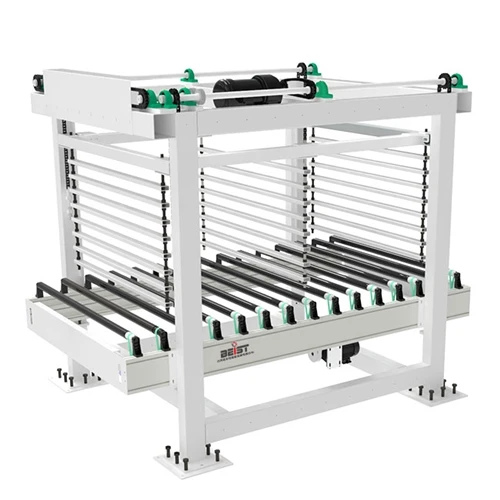
As a leading supplier of cross conveyors, I've witnessed firsthand the pivotal role these systems play in modern industrial operations. Cross conveyors are essential for efficiently moving goods across different paths, enhancing the overall productivity of warehouses, distribution centers, and manufacturing facilities. However, like any complex machinery, they can face challenges that may hinder their transportation efficiency. In this blog, I'll share some practical improvement measures that can significantly boost the performance of cross conveyors.
1. Regular Maintenance and Inspection
One of the most fundamental steps in improving the transportation efficiency of a cross conveyor is to ensure regular maintenance and inspection. Over time, components such as belts, rollers, and motors can wear out, leading to reduced performance and potential breakdowns. By implementing a comprehensive maintenance schedule, you can identify and address issues before they escalate.
- Belt Inspection: Check the conveyor belt for signs of wear, damage, or misalignment. Replace worn belts promptly to prevent slippage and ensure smooth operation.
- Roller Lubrication: Lubricate the rollers regularly to reduce friction and extend their lifespan. This will also help to maintain consistent speed and prevent jams.
- Motor Checks: Inspect the motors for proper functioning, including checking the electrical connections, bearings, and cooling systems. Replace any faulty motors to avoid unexpected downtime.
2. Upgrade to High - Performance Components
Investing in high - performance components can have a substantial impact on the transportation efficiency of a cross conveyor. Newer technologies offer improved durability, speed, and precision, which can enhance the overall throughput of the system.
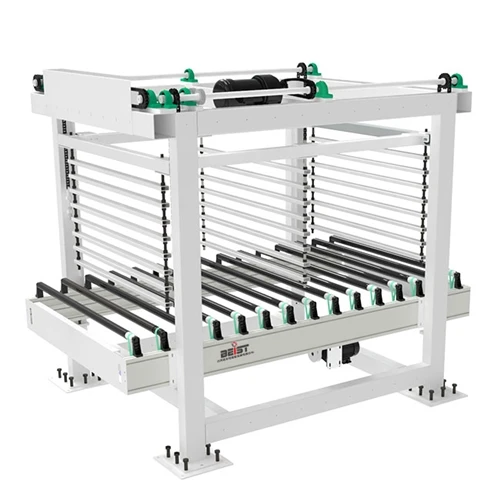
- Intelligent Storage Bin: Consider integrating an Intelligent Storage Bin into your cross conveyor system. These bins are designed to optimize the storage and retrieval of goods, reducing the time spent on handling and improving the overall flow of materials.
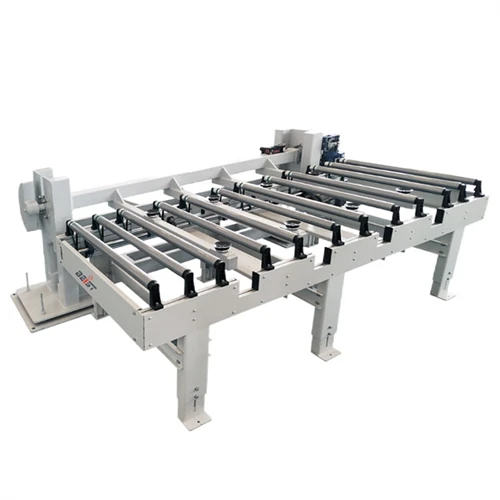
- Powered Roller Conveyors: Upgrading to Powered Roller Conveyor - Centre or Powered Roller Conveyor - Gap can provide better control over the movement of goods. These conveyors offer adjustable speed settings, allowing you to match the flow rate with the specific requirements of your operation.
3. Optimize Conveyor Layout
The layout of the cross conveyor system can significantly affect its transportation efficiency. A well - designed layout minimizes the distance traveled by goods, reduces congestion, and improves the overall flow of materials.
- Path Optimization: Analyze the flow of goods through your facility and design the conveyor layout to minimize the number of turns and changes in direction. This will reduce the time spent on maneuvering and increase the overall speed of transportation.
- Space Utilization: Make the most of the available space by arranging the conveyors in a compact and efficient manner. This may involve using vertical conveyors or stacking multiple conveyors to increase the capacity of the system.
4. Implement Automation and Control Systems
Automation and control systems can greatly enhance the transportation efficiency of a cross conveyor. These systems can monitor the operation of the conveyor, adjust the speed and direction of the belts and rollers, and detect and resolve issues in real - time.
- Sensor Technology: Install sensors along the conveyor to detect the presence, position, and weight of goods. This information can be used to optimize the flow of materials, prevent overloading, and ensure accurate sorting and routing.
- Programmable Logic Controllers (PLCs): Use PLCs to automate the operation of the conveyor system. PLCs can be programmed to control the speed, acceleration, and deceleration of the conveyors, as well as to manage the interaction between different components of the system.
5. Employee Training and Safety
Well - trained employees are essential for the efficient operation of a cross conveyor system. Providing comprehensive training on the proper use, maintenance, and safety procedures of the conveyor can help to prevent accidents and improve the overall performance of the system.
- Operation Training: Train employees on how to operate the cross conveyor safely and efficiently. This includes understanding the controls, loading and unloading procedures, and emergency stop protocols.
- Safety Awareness: Promote safety awareness among employees by providing regular safety training and ensuring that all safety equipment, such as guards and emergency stops, is in place and functioning properly.
6. Data Analysis and Performance Monitoring
Collecting and analyzing data on the performance of the cross conveyor system can provide valuable insights into areas for improvement. By monitoring key performance indicators (KPIs) such as throughput, downtime, and energy consumption, you can identify trends and make informed decisions to optimize the system.


- KPI Tracking: Establish a system for tracking KPIs related to the transportation efficiency of the cross conveyor. This may include measuring the number of units transported per hour, the average time per transfer, and the percentage of downtime.
- Root Cause Analysis: When issues arise, conduct a root cause analysis to determine the underlying reasons for the problem. Use this information to implement targeted solutions and prevent similar issues from occurring in the future.
Conclusion
Improving the transportation efficiency of a cross conveyor is a multi - faceted process that requires a combination of regular maintenance, component upgrades, layout optimization, automation, employee training, and data analysis. By implementing these measures, you can enhance the performance of your cross conveyor system, increase productivity, and reduce costs.
If you're interested in learning more about how our cross conveyor solutions can improve the efficiency of your operation, or if you're ready to discuss a potential purchase, please don't hesitate to reach out. Our team of experts is here to provide you with personalized advice and support.
References
- Groover, M. P. (2010). Automation, Production Systems, and Computer - Integrated Manufacturing. Prentice Hall.
- Buzacott, J. A., & Shanthikumar, J. G. (1993). Stochastic Models of Manufacturing Systems. Prentice Hall.
- Tompkins, J. A., White, J. A., Bozer, Y. A., & Tanchoco, J. M. A. (2010). Facilities Planning. Wiley.