Can a cross conveyor be used for high - speed transportation?
In the fast - paced world of modern industry, the demand for efficient and rapid material handling solutions is ever - increasing. As a supplier of cross conveyors, I've been frequently asked whether cross conveyors can be used for high - speed transportation. In this blog, I'll delve into this topic, exploring the capabilities, limitations, and factors to consider when using cross conveyors for high - speed operations.
Understanding Cross Conveyors
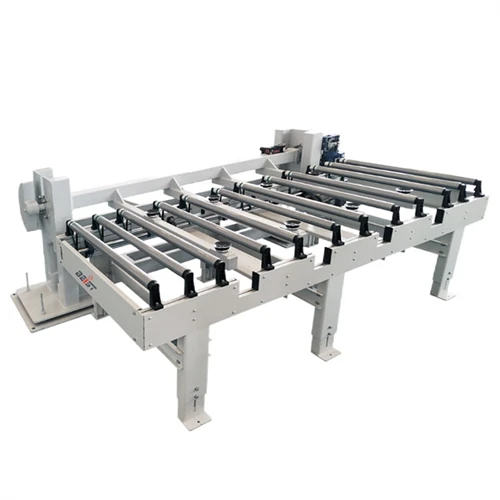
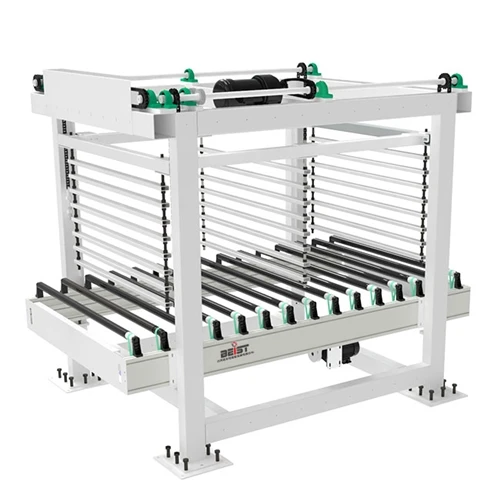
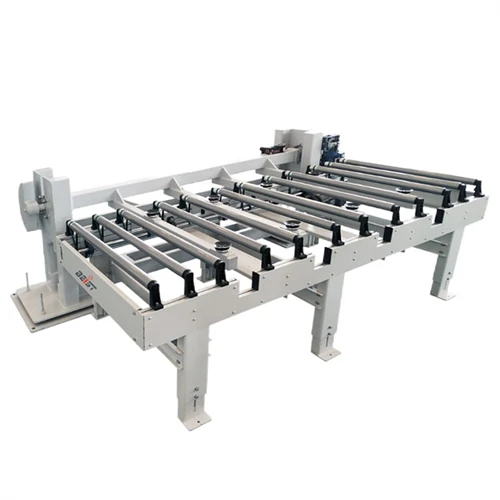
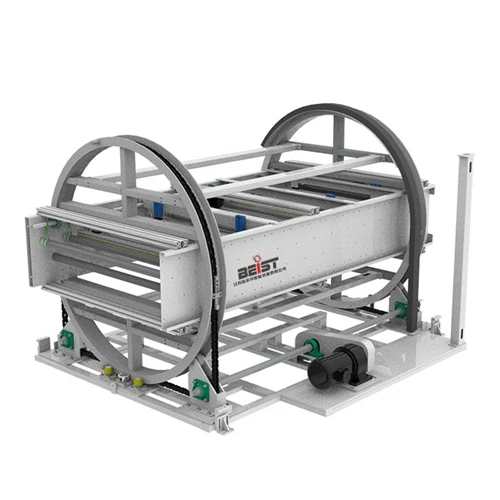
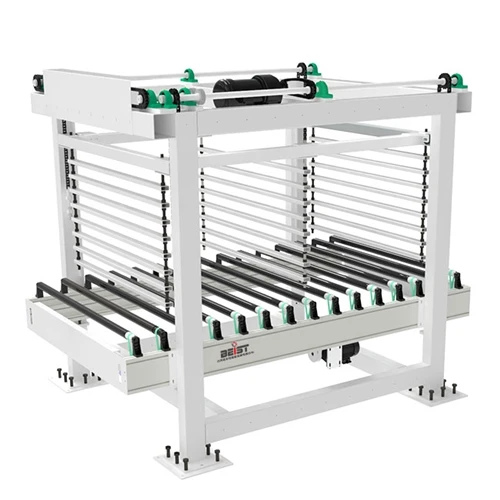
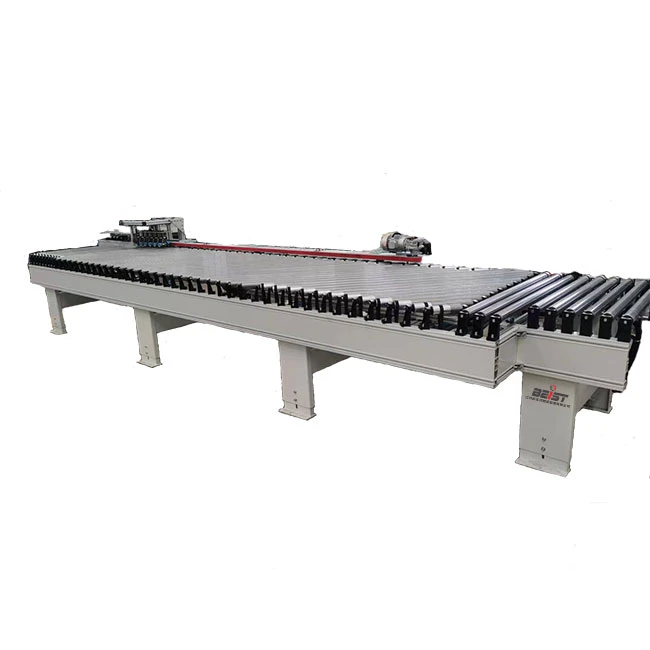
Before we discuss high - speed transportation, let's first understand what cross conveyors are. A Cross Conveyor is a specialized conveyor system designed to transfer materials perpendicular to the direction of the main conveyor flow. This unique design allows for a high degree of flexibility in material handling, facilitating the sorting, distribution, and integration of products within a production or distribution environment.
Cross conveyors typically consist of a series of powered rollers or belts arranged in a grid - like pattern, which can be activated independently to move products across the conveyor. This modular design enables easy customization according to the specific needs of different industries, such as manufacturing, logistics, and e - commerce.
Theoretical Viability for High - Speed Transportation
From a theoretical perspective, cross conveyors have the potential to be used for high - speed transportation. The key lies in their design and the technologies employed. Modern cross conveyors are often equipped with advanced drive systems, such as servo motors and variable frequency drives, which can provide precise control over the speed of the conveyor. These drives can be programmed to achieve high - speed operation, allowing for rapid movement of materials across the conveyor surface.
In addition, the use of high - quality rollers or belts with low friction coefficients can reduce energy consumption and increase the efficiency of the conveyor. This means that the conveyor can operate at high speeds without excessive wear and tear, ensuring a longer service life and reliable performance.

Practical Considerations for High - Speed Operation
However, in practice, several factors need to be considered when using cross conveyors for high - speed transportation.
Product Characteristics
The nature of the products being transported is a crucial factor. Small, lightweight, and uniformly shaped products are generally more suitable for high - speed cross - conveyor transportation. These products are easier to handle and can be quickly and accurately moved across the conveyor. On the other hand, large, heavy, or irregularly shaped products may pose challenges, as they require more force to move and may be more difficult to control at high speeds.
Conveyor Design and Layout
The design and layout of the cross conveyor also play a significant role in high - speed operation. A well - designed conveyor system should minimize the number of turns and transitions, as these can cause delays and disruptions in the flow of materials. Additionally, the spacing between rollers or belts should be carefully selected to ensure proper support and stable movement of the products. The overall layout should also consider the integration with other conveyor systems in the facility, such as Powered Roller Conveyor - Centre to ensure seamless transfer of products.
Safety Measures
High - speed conveyor operation comes with inherent safety risks. To ensure the safety of workers and the integrity of the products, appropriate safety measures must be implemented. This may include installing guards and barriers around the conveyor, using emergency stop buttons, and implementing safety sensors to detect any abnormal conditions. Regular maintenance and inspection of the conveyor system are also essential to prevent malfunctions and accidents.
Real - World Applications and Case Studies
Despite the challenges, there are many real - world applications where cross conveyors are successfully used for high - speed transportation.
In the e - commerce industry, cross conveyors are often used in sorting centers to quickly distribute packages to different shipping lanes. With the help of advanced scanning and control systems, these conveyors can sort thousands of packages per hour, operating at speeds of up to several meters per second.
In the food and beverage industry, cross conveyors are used to transfer products between different processing and packaging stages. High - speed operation is necessary to meet the high production volumes required in this industry. The conveyors are designed to handle fragile products, such as bottles and cans, without damage, ensuring the quality of the final products.
Advantages of Using Cross Conveyors for High - Speed Transportation
There are several advantages to using cross conveyors for high - speed transportation.
Firstly, cross conveyors offer high flexibility. They can easily adapt to different product sizes and shapes, and can be configured to fit into various production layouts. This makes them a versatile solution for a wide range of industries.
Secondly, cross conveyors can improve the overall efficiency of the material handling process. By enabling rapid cross - transfer of products, they can reduce bottlenecks and increase the throughput of the entire system. This can lead to significant cost savings and increased productivity for businesses.
Limitations and Alternatives
While cross conveyors have many advantages for high - speed transportation, they also have some limitations.
One of the main limitations is the initial investment cost. High - speed cross conveyors often require advanced technologies and components, which can be expensive. Additionally, the maintenance and operating costs of these conveyors can also be relatively high, especially when considering the need for regular inspections and replacement of parts.
In some cases, alternative conveyor systems may be more suitable for high - speed transportation. For example, Return Conveyor for Edge Banders may be a better choice for applications where products need to be transported in a fixed direction with minimal cross - transfer requirements.
Conclusion
In conclusion, cross conveyors can indeed be used for high - speed transportation, but their successful implementation depends on careful consideration of several factors, including product characteristics, conveyor design, and safety measures. While they offer many advantages in terms of flexibility and efficiency, they also have some limitations in terms of cost.
As a cross conveyor supplier, I am committed to providing solutions that meet the specific needs of each customer. Whether you are looking to improve the efficiency of your production line or enhance the performance of your distribution center, we can work with you to design and implement a high - speed cross conveyor system that is tailored to your requirements.
If you are interested in learning more about how our cross conveyors can be used for high - speed transportation, or if you have any questions or requirements, please feel free to get in touch with us. We look forward to discussing your project and finding the best solution for you.
References
- "Conveyor Systems Handbook" by Material Handling Industry of America.
- Technical papers on high - speed material handling systems from leading conveyor manufacturers.