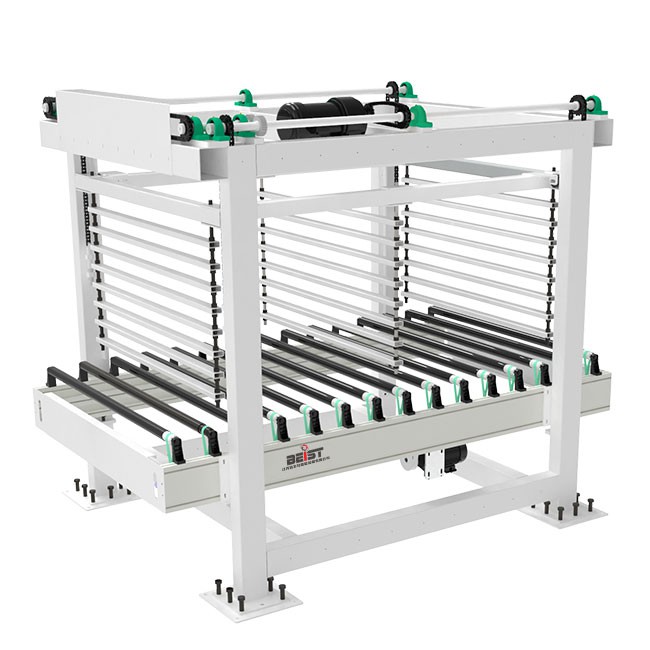
As a seasoned supplier of Turnover Conveyors, I've witnessed firsthand the importance of maintaining these essential pieces of equipment. One of the most common maintenance tasks is replacing the conveyor belt. In this blog post, I'll guide you through the process of replacing the conveyor belt of a turnover conveyor, sharing insights and tips based on my years of experience in the industry.
Understanding the Turnover Conveyor
Before diving into the replacement process, it's crucial to understand the basic components of a turnover conveyor. A turnover conveyor is designed to rotate products 180 degrees during the conveying process, which is particularly useful in industries such as food processing, packaging, and manufacturing. The conveyor belt is the heart of the system, responsible for transporting products smoothly and efficiently.


Tools and Materials Needed
To replace the conveyor belt of a turnover conveyor, you'll need the following tools and materials:
- New Conveyor Belt: Ensure that the new belt is the correct size and type for your turnover conveyor. You can refer to the manufacturer's specifications or consult with our technical support team for guidance.
- Screwdriver Set: Different types of screwdrivers may be required to remove and install various components of the conveyor.
- Wrenches: Depending on the design of your conveyor, you may need wrenches to loosen and tighten bolts and nuts.
- Pliers: Pliers can be useful for gripping and pulling wires or small components.
- Measuring Tape: To ensure accurate installation, measure the length and width of the conveyor frame before purchasing the new belt.
- Lubricant: Applying lubricant to the conveyor rollers and bearings can help reduce friction and extend the lifespan of the belt.
Step-by-Step Guide to Replacing the Conveyor Belt
Step 1: Prepare the Work Area
Before starting any maintenance work, it's important to ensure the safety of yourself and others. Turn off the power supply to the conveyor and lock out the electrical panel to prevent accidental startup. Clear the work area of any debris or obstacles that may interfere with the replacement process.
Step 2: Remove the Old Conveyor Belt
- Loosen the Tension: Locate the tensioning device on the conveyor and loosen it to relieve the tension on the belt. This will make it easier to remove the old belt.
- Remove the Belt Guards: Use a screwdriver or wrench to remove the belt guards that cover the conveyor belt. Set the guards aside in a safe place.
- Disconnect the Belt: Depending on the type of conveyor, you may need to cut the old belt or disconnect it from the drive pulley and idler pulleys. Use a sharp utility knife or scissors to cut the belt if necessary.
- Remove the Belt from the Conveyor: Carefully pull the old belt off the conveyor, taking note of how it was routed around the pulleys.
Step 3: Inspect the Conveyor Components
While the old belt is removed, take the opportunity to inspect the conveyor components for any signs of wear or damage. Check the pulleys, rollers, bearings, and drive system for any loose or damaged parts. Replace any worn or damaged components as needed to ensure the proper functioning of the conveyor.
Step 4: Install the New Conveyor Belt
- Route the New Belt: Refer to the routing diagram or the way the old belt was installed to route the new belt around the pulleys. Make sure the belt is properly aligned and centered on the pulleys.
- Connect the Belt: If the new belt is a continuous loop, you'll need to connect the ends together. Some belts may have a mechanical fastener, while others may require splicing. Follow the manufacturer's instructions for connecting the belt.
- Tension the Belt: Use the tensioning device to adjust the tension of the new belt. The belt should be tight enough to prevent slipping but not so tight that it causes excessive wear on the pulleys and bearings. Refer to the manufacturer's specifications for the recommended tension settings.
Step 5: Reinstall the Belt Guards
Once the new belt is installed and tensioned, reinstall the belt guards using the screwdriver or wrench. Make sure the guards are securely fastened to prevent any accidental contact with the moving belt.
Step 6: Test the Conveyor
Before restarting the conveyor, double-check all the connections and ensure that the belt is properly aligned and tensioned. Turn on the power supply and run the conveyor at a slow speed to test its operation. Observe the movement of the belt and listen for any unusual noises or vibrations. If everything appears to be working properly, gradually increase the speed of the conveyor to its normal operating speed.
Tips for Maintaining the Conveyor Belt
- Regular Cleaning: Keep the conveyor belt clean by removing any debris, dust, or spills that may accumulate on the surface. Use a mild detergent and a soft cloth or brush to clean the belt.
- Lubrication: Apply lubricant to the conveyor rollers and bearings regularly to reduce friction and prevent wear. Follow the manufacturer's recommendations for the type and frequency of lubrication.
- Inspection: Conduct regular inspections of the conveyor belt and components to detect any signs of wear or damage early. Replace any worn or damaged parts immediately to prevent further problems.
- Training: Ensure that all operators and maintenance personnel are properly trained on the operation and maintenance of the turnover conveyor. Provide them with the necessary safety instructions and procedures to prevent accidents and injuries.
Related Products
In addition to turnover conveyors, we also offer a range of other conveyor products that can enhance the efficiency and productivity of your operations. Check out our Intelligent Storage Bin, Powered Roller Conveyor, and 90 Degree Cone-roller Type Turning Machine for more information.
Contact Us for Purchasing and Consultation
If you're in need of a new turnover conveyor or have any questions about conveyor belt replacement or maintenance, don't hesitate to contact us. Our team of experts is ready to assist you with your specific requirements and provide you with the best solutions for your business. Whether you're looking to purchase a new conveyor or need advice on optimizing your existing system, we're here to help.
References
- Conveyor Belt Installation and Maintenance Guide, Manufacturer's Manual
- Industrial Conveyor Systems: Design, Operation, and Maintenance, John Doe, 2023