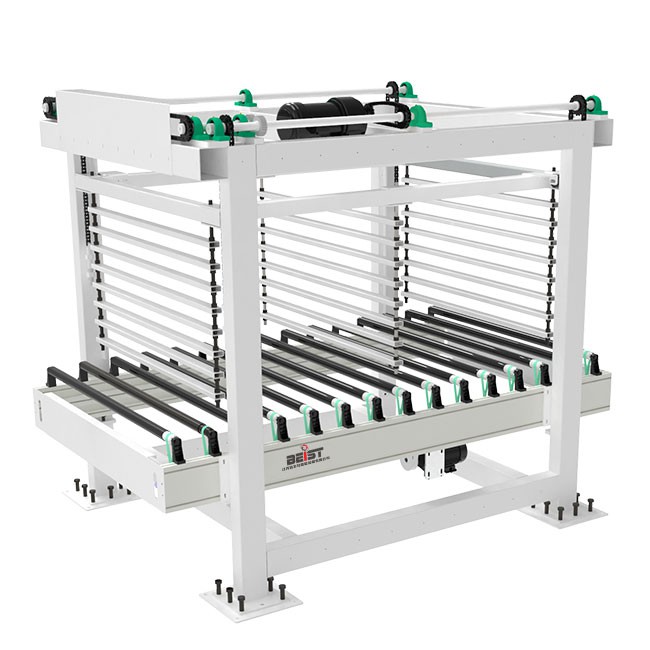
Hey there! As a supplier of Powered Roller Conveyors, I often get asked about how to install a transfer unit on these conveyors. It might seem like a daunting task, but with the right steps and a bit of know - how, you can get it done smoothly. In this blog, I'll walk you through the whole process.
1. Understanding the Transfer Unit and Powered Roller Conveyor
First things first, let's talk about what we're dealing with. A powered roller conveyor is a workhorse in many industries. It uses motor - driven rollers to move goods along a path. There are different types, like the Chain Driven Live Roller Conveyor, which is great for heavy - duty applications.
A transfer unit, on the other hand, is used to move items from one conveyor line to another. It can change the direction of the product flow, allowing for more complex material handling systems. For example, the Cross Conveyor Bi - Directional is a type of transfer unit that can move products both ways across the conveyor. And if you need to turn products over during the conveying process, the Turnover Conveyor is a nifty option.
2. Pre - installation Checks
Before you start installing the transfer unit, you need to do some checks.
- Measurements: Make sure the transfer unit is the right size for your powered roller conveyor. Measure the width, length, and height of the conveyor where the transfer unit will be installed. Also, check the distance between the rollers on the conveyor to ensure compatibility with the transfer unit.
- Power Supply: Ensure that your conveyor has a suitable power supply for the transfer unit. Check the voltage and amperage requirements of the transfer unit and make sure your conveyor can handle it. If not, you might need to upgrade your power system.
- Inspect the Conveyor: Look for any damage or wear on the powered roller conveyor. Check the rollers, frames, and belts (if applicable). Fix any issues before installing the transfer unit to avoid problems later on.
3. Gathering the Tools
You'll need a few tools to install the transfer unit. Here's a basic list:
- Wrenches and Screwdrivers: Different sizes of wrenches and screwdrivers will be needed to loosen and tighten bolts and screws.
- Drill: If you need to make holes for mounting the transfer unit, a drill will come in handy.
- Level: To make sure the transfer unit is installed straight and level, a level is essential. This will help ensure smooth product transfer.
- Measuring Tape: You'll use this to double - check measurements during the installation process.
4. Installing the Transfer Unit
Now, let's get to the actual installation.


- Positioning: Carefully place the transfer unit on the powered roller conveyor at the desired location. Use the level to make sure it's perfectly horizontal and aligned with the conveyor. Mark the mounting holes on the conveyor frame using a pencil or marker.
- Mounting: Drill holes at the marked locations if necessary. Then, use bolts and nuts to secure the transfer unit to the conveyor frame. Make sure the bolts are tightened properly, but don't over - tighten them as it could damage the frame or the transfer unit.
- Connecting the Power: Follow the manufacturer's instructions to connect the power supply to the transfer unit. Usually, this involves connecting wires to the appropriate terminals. Make sure all connections are secure and insulated to prevent electrical hazards.
- Adjusting the Rollers: If the transfer unit has rollers, adjust them so that they are at the same height as the rollers on the powered roller conveyor. This will ensure a smooth transition of products between the conveyor and the transfer unit.
5. Testing the Installation
Once the transfer unit is installed, it's time to test it.
- Power On: Turn on the power to the conveyor and the transfer unit. Check if the transfer unit starts up properly. Listen for any unusual noises, which could indicate a problem with the installation.
- Product Testing: Place a few sample products on the conveyor and let them move towards the transfer unit. Observe how the products are transferred. Make sure they move smoothly and without getting jammed.
- Adjustments: If you notice any issues during the testing, make the necessary adjustments. This could involve adjusting the height of the rollers, tightening loose bolts, or re - aligning the transfer unit.
6. Maintenance Tips
After a successful installation, proper maintenance is crucial to keep the transfer unit and the powered roller conveyor in good working condition.
- Regular Cleaning: Keep the conveyor and the transfer unit clean. Remove any debris, dust, or dirt that could affect the performance of the rollers or the transfer mechanism.
- Lubrication: Lubricate the moving parts of the transfer unit and the conveyor according to the manufacturer's recommendations. This will reduce friction and extend the lifespan of the equipment.
- Inspections: Periodically inspect the transfer unit and the conveyor for any signs of wear or damage. Replace any worn - out parts promptly to avoid breakdowns.
7. Conclusion
Installing a transfer unit on a powered roller conveyor might seem like a big job, but if you follow these steps, it can be a straightforward process. By doing a proper pre - installation check, using the right tools, and testing the installation thoroughly, you can ensure that your transfer unit works efficiently and effectively.
If you're in the market for a powered roller conveyor or a transfer unit, or if you have any questions about the installation process, don't hesitate to reach out. We're here to help you make the best choices for your material handling needs. Whether you need a Chain Driven Live Roller Conveyor, a Cross Conveyor Bi - Directional, or a Turnover Conveyor, we've got you covered.
References
- Conveyor Installation Manuals from Various Manufacturers
- Industry Standards for Material Handling Equipment
- Personal Experience as a Powered Roller Conveyor Supplier