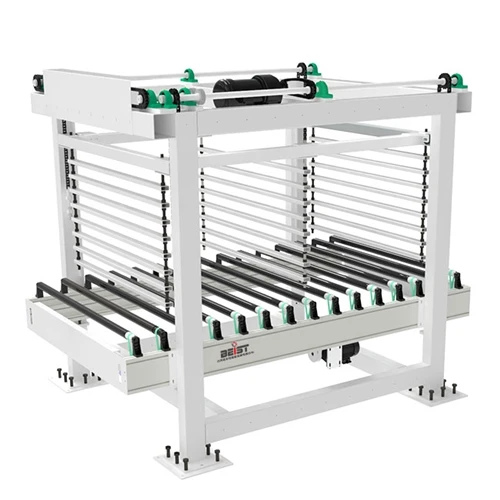
What is the Speed Range of a Pneumatic Roller Conveyor?
As a supplier of pneumatic roller conveyors, I often encounter inquiries from customers about the speed range of these conveyors. Understanding the speed range is crucial as it directly impacts the efficiency and productivity of various industrial processes. In this blog post, I'll delve into the factors that determine the speed range of a pneumatic roller conveyor and provide some insights based on our experience in the industry.
How Pneumatic Roller Conveyors Work
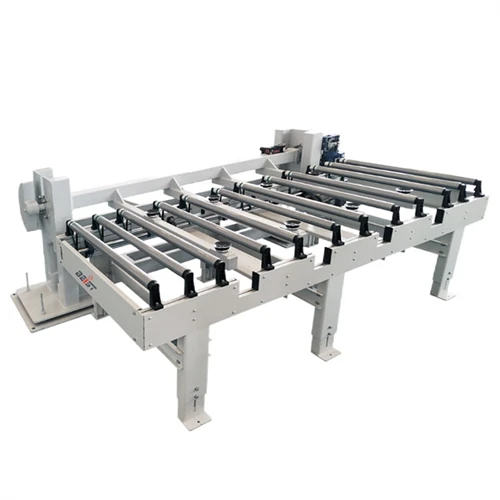
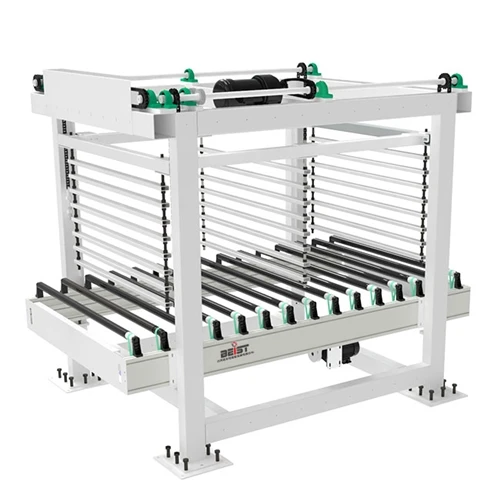
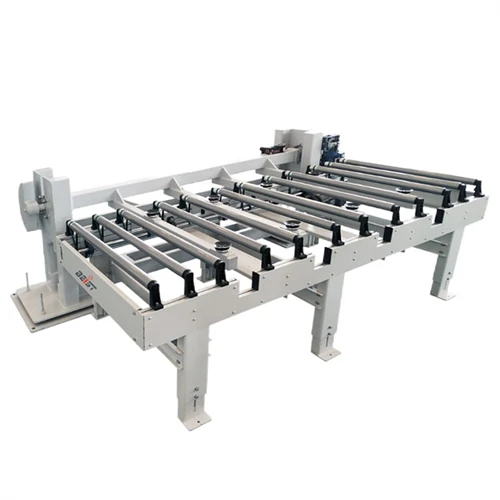
Before discussing the speed range, it's essential to understand how pneumatic roller conveyors operate. These conveyors use compressed air to power the movement of rollers, which in turn transport items along the conveyor line. The pneumatic system provides a reliable and efficient way to control the movement of materials, making it suitable for a wide range of applications.
Factors Affecting the Speed Range
Several factors influence the speed range of a pneumatic roller conveyor. Here are some of the key considerations:
- Load Capacity: The weight and size of the items being transported play a significant role in determining the conveyor's speed. Heavier loads require more power to move, which may limit the maximum speed of the conveyor. For example, if you're transporting large and heavy pallets, the conveyor may need to operate at a slower speed to ensure stable and safe movement.
- Roller Design: The design of the rollers, including their diameter, length, and material, can affect the conveyor's speed. Larger diameter rollers generally allow for faster movement, as they can cover more distance with each rotation. Additionally, the material of the rollers can impact friction and traction, which also influence the speed.
- Pneumatic System: The performance of the pneumatic system, such as the air pressure and flow rate, is crucial for determining the conveyor's speed. Higher air pressure can provide more power to the rollers, enabling faster movement. However, it's important to ensure that the pneumatic system is properly calibrated to avoid excessive wear and tear on the components.
- Conveyor Length and Layout: The length and layout of the conveyor can also affect its speed. Longer conveyors may require more time for items to travel from one end to the other, which may limit the overall throughput. Additionally, complex layouts with curves and bends can slow down the movement of items, as they need to navigate these obstacles.
Typical Speed Range
Based on our experience, the speed range of a pneumatic roller conveyor can vary widely depending on the specific application and requirements. In general, the minimum speed of a pneumatic roller conveyor can be as low as 0.1 meters per second, which is suitable for applications that require precise and slow movement, such as assembly lines. On the other hand, the maximum speed can reach up to 2 meters per second or more, which is commonly used in high-speed sorting and distribution centers.
It's important to note that these are just general guidelines, and the actual speed range of a pneumatic roller conveyor may vary depending on the factors mentioned above. To determine the optimal speed range for your specific application, it's recommended to consult with a professional conveyor supplier, who can provide customized solutions based on your requirements.
Applications and Speed Requirements
Different applications have different speed requirements for pneumatic roller conveyors. Here are some common applications and their typical speed ranges:
- Assembly Lines: In assembly lines, the conveyor needs to operate at a relatively slow and steady speed to allow workers to perform their tasks accurately. The speed range for assembly line conveyors is typically between 0.1 and 0.5 meters per second.
- Sorting and Distribution Centers: Sorting and distribution centers require high-speed conveyors to handle large volumes of items quickly. The speed range for these conveyors can be between 1 and 2 meters per second or even higher, depending on the specific requirements.
- Warehousing and Logistics: In warehousing and logistics, the conveyor speed may vary depending on the type of items being stored and retrieved. For example, if you're handling small and lightweight packages, the conveyor can operate at a higher speed, while heavier items may require a slower speed. The speed range for warehousing and logistics conveyors is typically between 0.5 and 1.5 meters per second.
Comparison with Other Conveyor Types
Pneumatic roller conveyors offer several advantages over other types of conveyors, such as belt conveyors and chain conveyors. One of the main advantages is their ability to provide precise and controlled movement, which is essential for applications that require accurate positioning of items. Additionally, pneumatic roller conveyors are relatively easy to install and maintain, making them a cost-effective solution for many industries.
When comparing the speed range of pneumatic roller conveyors with other conveyor types, it's important to consider the specific requirements of your application. Belt conveyors, for example, can generally achieve higher speeds than pneumatic roller conveyors, but they may not be suitable for applications that require precise movement. Chain conveyors, on the other hand, are often used for heavy-duty applications and can handle larger loads, but they may operate at a slower speed.


Related Products and Their Applications
In addition to pneumatic roller conveyors, we also offer a range of related products that can enhance the efficiency and productivity of your material handling system. These include:
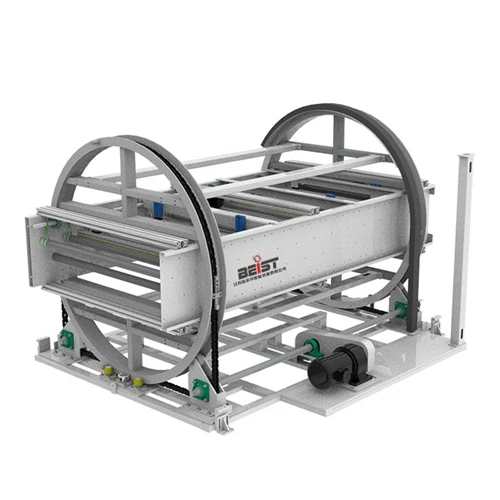
- Transfer Cart with Turntable: This product is designed for transporting items between different workstations or areas. The turntable allows for easy rotation of the cart, making it suitable for applications that require flexible movement.
- Sorting Roller Conveyor: The sorting roller conveyor is specifically designed for sorting and diverting items based on their size, shape, or other criteria. It can be used in conjunction with a pneumatic roller conveyor to improve the efficiency of your sorting process.
- Gravity Skate Wheel Conveyor: The gravity skate wheel conveyor is a cost-effective solution for transporting lightweight items. It uses gravity to move the items along the conveyor, eliminating the need for external power.
Conclusion
In conclusion, the speed range of a pneumatic roller conveyor depends on several factors, including load capacity, roller design, pneumatic system, and conveyor length and layout. By understanding these factors and working with a professional conveyor supplier, you can determine the optimal speed range for your specific application.
If you're interested in learning more about pneumatic roller conveyors or any of our other products, please don't hesitate to contact us. Our team of experts is available to provide you with detailed information and customized solutions based on your requirements. We look forward to helping you improve the efficiency and productivity of your material handling system.
References
- "Conveyor Technology Handbook" by John A. Albright
- "Material Handling Equipment: Selection, Design, and Operation" by M. Edward Carter