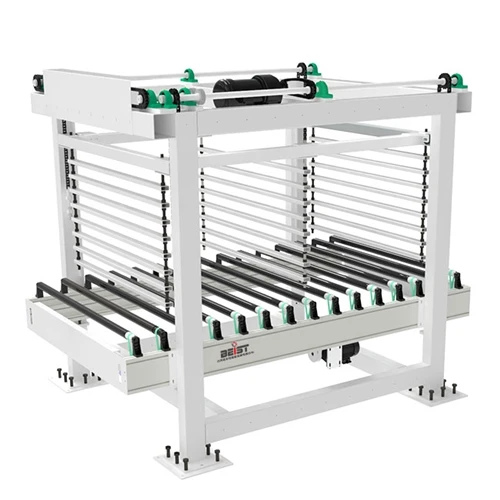
Installing a loading ramp on a curved roller conveyor is a meticulous process that requires careful planning, the right tools, and a clear understanding of the specific requirements of your conveyor system. As a supplier of Curved Roller Conveyors, I've had the opportunity to assist numerous clients in enhancing their conveyor setups with loading ramps. In this blog post, I'll guide you through the step-by-step process of installing a loading ramp on a curved roller conveyor, ensuring a seamless and efficient operation.
Step 1: Assess Your Conveyor and Ramp Requirements
Before you begin the installation process, it's crucial to assess your curved roller conveyor and the loading ramp you plan to install. Consider the following factors:
- Conveyor Specifications: Determine the dimensions, curvature, and load capacity of your curved roller conveyor. This information will help you select a loading ramp that is compatible with your conveyor system.
- Ramp Type and Size: Choose a loading ramp that suits your specific needs. Consider factors such as the ramp's length, width, weight capacity, and the type of materials it will handle.
- Safety Requirements: Ensure that the loading ramp meets all relevant safety standards and regulations. Look for features such as anti-slip surfaces, guardrails, and safety locks to prevent accidents and injuries.
Step 2: Gather the Necessary Tools and Materials
Once you have assessed your requirements, gather the necessary tools and materials for the installation process. Here are some common tools and materials you may need:
- Tools: Wrenches, screwdrivers, drills, measuring tape, level, and a saw (if necessary).
- Materials: Loading ramp, mounting brackets, bolts, nuts, washers, and any additional hardware specified by the ramp manufacturer.
Step 3: Prepare the Conveyor and Ramp
Before installing the loading ramp, prepare the curved roller conveyor and the ramp itself. Follow these steps:
- Clean the Conveyor: Remove any debris, dirt, or grease from the conveyor surface to ensure a clean and smooth installation.
- Position the Ramp: Place the loading ramp in the desired location next to the conveyor. Use a level to ensure that the ramp is perfectly horizontal and aligned with the conveyor.
- Mark the Mounting Points: Use a measuring tape and a marker to mark the mounting points on the conveyor and the ramp. Make sure the marks are accurate and aligned with the mounting holes on the ramp.
Step 4: Install the Mounting Brackets
The next step is to install the mounting brackets on the conveyor and the ramp. Follow these steps:


- Attach the Brackets to the Conveyor: Use bolts, nuts, and washers to attach the mounting brackets to the conveyor at the marked locations. Make sure the brackets are securely fastened and aligned with the ramp.
- Attach the Brackets to the Ramp: Repeat the process to attach the mounting brackets to the ramp. Ensure that the brackets are positioned correctly and aligned with the brackets on the conveyor.
Step 5: Connect the Ramp to the Conveyor
Once the mounting brackets are installed, it's time to connect the loading ramp to the curved roller conveyor. Follow these steps:
- Align the Ramp: Carefully align the ramp with the conveyor, ensuring that the mounting holes on the ramp are aligned with the mounting holes on the brackets.
- Insert the Bolts: Insert the bolts through the mounting holes on the ramp and the brackets. Use nuts and washers to secure the bolts in place. Make sure the bolts are tightened securely, but not overly tightened to avoid damaging the ramp or the conveyor.
- Check the Alignment: Use a level to check the alignment of the ramp and the conveyor. Make any necessary adjustments to ensure that the ramp is perfectly horizontal and aligned with the conveyor.
Step 6: Test the Ramp
After connecting the ramp to the conveyor, it's important to test the ramp to ensure that it is functioning properly. Follow these steps:
- Load the Ramp: Place a small load on the ramp to test its weight capacity and stability. Make sure the ramp can support the load without any signs of bending or sagging.
- Move the Load: Use a forklift or other equipment to move the load along the ramp and onto the conveyor. Observe the movement of the load and ensure that it glides smoothly along the ramp and onto the conveyor.
- Check for Safety: Check the safety features of the ramp, such as the anti-slip surface, guardrails, and safety locks. Make sure these features are functioning properly and provide adequate protection for the operators.
Step 7: Make Any Necessary Adjustments
If you encounter any issues during the testing process, make the necessary adjustments to the ramp or the conveyor. This may include tightening the bolts, adjusting the alignment, or adding additional support. Once you are satisfied with the performance of the ramp, you can proceed with using it for your operations.
Step 8: Maintain the Ramp and Conveyor
To ensure the long-term performance and safety of your loading ramp and curved roller conveyor, it's important to maintain them regularly. Follow these tips:
- Inspect the Ramp and Conveyor: Regularly inspect the ramp and the conveyor for any signs of wear, damage, or loose components. Replace any worn or damaged parts immediately.
- Clean the Ramp and Conveyor: Keep the ramp and the conveyor clean by removing any debris, dirt, or grease. This will prevent the buildup of contaminants and ensure smooth operation.
- Lubricate the Moving Parts: Lubricate the moving parts of the ramp and the conveyor, such as the rollers and bearings, to reduce friction and wear.
- Train the Operators: Provide proper training to the operators on how to use the loading ramp and the conveyor safely. Make sure they understand the safety procedures and guidelines.
Conclusion
Installing a loading ramp on a curved roller conveyor is a complex process that requires careful planning and attention to detail. By following the steps outlined in this blog post, you can ensure a successful installation and a safe and efficient operation of your conveyor system. If you have any questions or need further assistance, please don't hesitate to contact us. We are a leading supplier of Curved Roller Conveyors and can provide you with the expertise and support you need to enhance your conveyor setup.
In addition to our Curved Roller Conveyors, we also offer a range of related products such as Roller Transfer Cart On Rail, Conveyor Platform for Cold Press, and Roller Conveyor Cart. These products can further optimize your material handling processes and improve the efficiency of your operations.
If you are interested in learning more about our products or would like to discuss your specific requirements, please feel free to reach out to us. We are committed to providing high-quality products and excellent customer service, and we look forward to working with you to meet your conveyor needs.
References
- Conveyor Equipment Manufacturers Association (CEMA). Conveyor Handbook.
- Occupational Safety and Health Administration (OSHA). Conveyor Safety Standards.
- Ramp Manufacturer's Installation Manual.