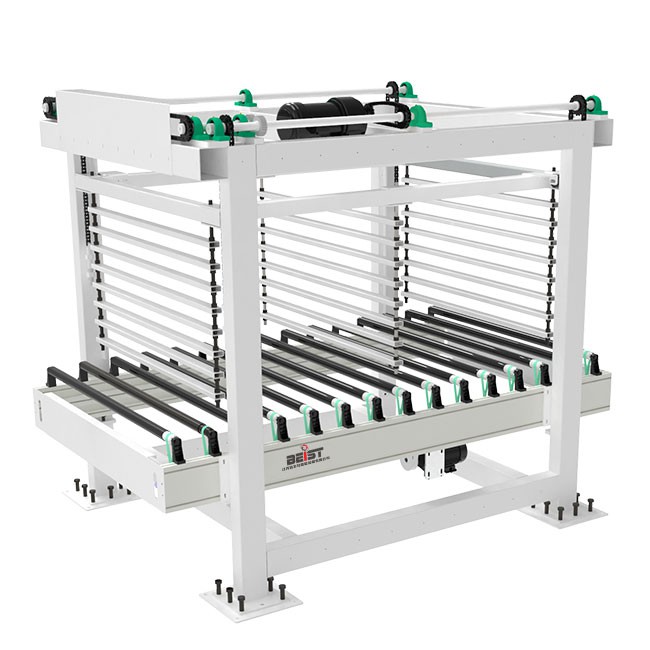
As a supplier of hydraulic lift tables, I am often asked whether our products can be used in food processing facilities. The answer is a resounding yes, but with some important considerations. In this blog post, I'll delve into the feasibility, benefits, and key factors to keep in mind when using hydraulic lift tables in food processing environments.
Feasibility of Using Hydraulic Lift Tables in Food Processing
Hygiene and Safety Standards
Food processing facilities are subject to strict hygiene and safety regulations. When it comes to hydraulic lift tables, it's crucial that they meet these standards. Our hydraulic lift tables are designed with materials that are resistant to corrosion and easy to clean. Stainless steel is a common choice for the tabletop and frame, as it can withstand frequent washdowns with cleaning agents and is non - porous, preventing the growth of bacteria and other contaminants.
Compatibility with Food Handling
Hydraulic lift tables can be customized to handle different types of food products. For example, if you are dealing with delicate food items, the lift table can be equipped with a soft - touch surface to prevent damage. Additionally, the lift mechanism can be adjusted to provide smooth and gentle lifting, ensuring that the food products are not jostled or spilled during the lifting process.
Benefits of Using Hydraulic Lift Tables in Food Processing
Improved Efficiency
One of the primary benefits of using hydraulic lift tables in food processing facilities is the significant improvement in efficiency. These lift tables can be used to raise and lower heavy loads of food products, raw materials, or equipment quickly and easily. This reduces the time and effort required for manual handling, allowing workers to focus on more value - added tasks. For instance, a Powered Roller Conveyor Lift Table can be used to transfer food products from one processing stage to another seamlessly, eliminating the need for multiple handling steps.
Ergonomic Advantages
Manual lifting of heavy food products can lead to musculoskeletal disorders among workers. Hydraulic lift tables provide an ergonomic solution by eliminating the need for workers to bend, lift, and carry heavy loads. Workers can simply place the load on the lift table and use the controls to raise or lower it to the desired height. This not only reduces the risk of injury but also improves worker comfort and productivity.


Space Optimization
In food processing facilities, space is often at a premium. Hydraulic lift tables can be designed to fit into tight spaces, making them an ideal solution for facilities with limited floor area. For example, an E Shape Lift Table has a unique design that allows it to be placed in corners or against walls, maximizing the use of available space.
Key Considerations When Using Hydraulic Lift Tables in Food Processing
Sanitation
As mentioned earlier, sanitation is of utmost importance in food processing facilities. Regular cleaning and maintenance of the hydraulic lift table are essential to prevent the buildup of dirt, debris, and bacteria. The lift table should be designed with smooth surfaces and minimal crevices to facilitate easy cleaning. Additionally, the hydraulic fluid used in the lift table should be food - grade or non - toxic to prevent contamination in case of a leak.
Maintenance and Inspection
Proper maintenance and inspection of the hydraulic lift table are crucial to ensure its safe and reliable operation. Regular checks should be carried out on the hydraulic system, including the hoses, cylinders, and pumps, to detect any signs of wear or damage. Any worn or damaged parts should be replaced immediately to prevent breakdowns and ensure the safety of workers and the integrity of the food products.
Compliance with Regulations
Food processing facilities are subject to various regulations, such as those set by the Food and Drug Administration (FDA) in the United States. It is essential to ensure that the hydraulic lift table meets all relevant regulations and standards. This may include requirements for materials, construction, and safety features. Our company ensures that all our hydraulic lift tables are designed and manufactured in compliance with the latest industry regulations.
Customization for Food Processing Needs
Specialized Features
We understand that different food processing facilities have unique requirements. That's why we offer a wide range of customization options for our hydraulic lift tables. For example, a Lifting Table with Roller Conveyor can be customized with different roller sizes, speeds, and conveyor lengths to suit the specific needs of your food processing operation.
Integration with Existing Systems
Hydraulic lift tables can be integrated with other equipment in the food processing facility, such as conveyors, packaging machines, and storage systems. This seamless integration allows for a more streamlined and efficient production process. Our engineering team has extensive experience in integrating hydraulic lift tables with various types of equipment, ensuring a smooth and hassle - free installation.
Conclusion
In conclusion, hydraulic lift tables can be a valuable asset in food processing facilities. They offer numerous benefits, including improved efficiency, ergonomic advantages, and space optimization. However, it is essential to consider factors such as sanitation, maintenance, and compliance with regulations when using these lift tables. At our company, we are committed to providing high - quality hydraulic lift tables that meet the specific needs of food processing facilities. If you are interested in learning more about how our hydraulic lift tables can benefit your food processing operation, we encourage you to contact us for a consultation. We can provide you with detailed information about our products, customization options, and pricing. Let's work together to enhance the efficiency and safety of your food processing facility.
References
- "Food Safety Regulations in the United States." Food and Drug Administration.
- "Ergonomics in the Workplace." Occupational Safety and Health Administration.
- "Hydraulic Lift Table Design and Manufacturing Standards." Industry Association Publications.