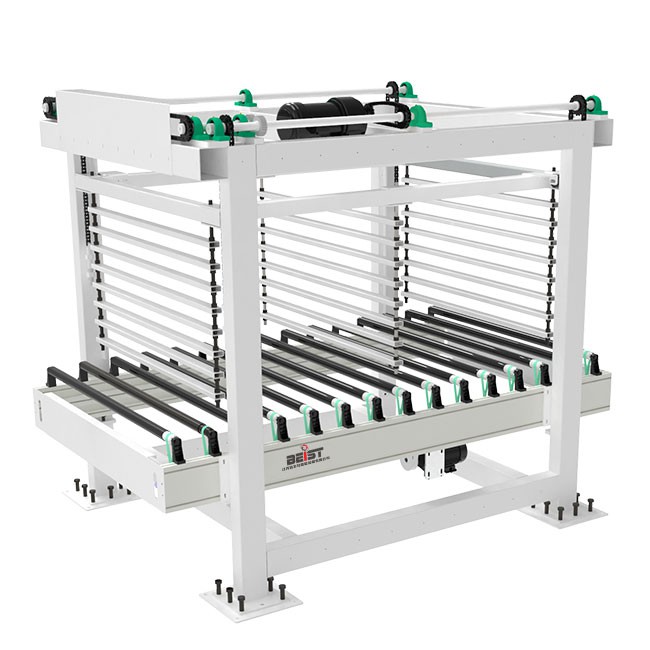
As a supplier of turnover conveyors, I understand the critical importance of conveyor stability in industrial operations. A stable turnover conveyor not only ensures smooth and efficient material handling but also significantly reduces the risk of downtime and maintenance costs. In this blog post, I will share some practical strategies on how to improve the stability of a turnover conveyor.
1. Proper Installation and Alignment
The first step in ensuring the stability of a turnover conveyor is proper installation and alignment. Incorrect installation can lead to uneven stress distribution, vibration, and premature wear of conveyor components. Here are some key points to consider during installation:
- Leveling the Conveyor: The conveyor should be installed on a flat and stable surface. Use a spirit level to ensure that the conveyor frame is perfectly horizontal. Even a slight inclination can cause the conveyed materials to shift unevenly, leading to instability.
- Aligning the Rollers: The rollers on the conveyor should be properly aligned. Misaligned rollers can cause the belt or chain to run off - track, resulting in excessive wear and potential jams. Check the alignment of the rollers regularly and make adjustments as needed.
- Securing the Conveyor Frame: The conveyor frame should be securely fastened to the floor or support structure. Use appropriate anchors or brackets to prevent the conveyor from moving or vibrating during operation.
2. Regular Maintenance and Inspection
Regular maintenance is essential for maintaining the stability of a turnover conveyor. Here are some maintenance tasks that should be carried out on a regular basis:


- Lubrication: All moving parts of the conveyor, such as bearings, chains, and gears, should be properly lubricated. Lubrication reduces friction and wear, which helps to maintain the smooth operation of the conveyor. Follow the manufacturer's recommendations for the type and frequency of lubrication.
- Belt or Chain Tensioning: The belt or chain on the conveyor should be kept at the correct tension. Over - tensioned belts or chains can cause excessive stress on the conveyor components, while under - tensioned ones can lead to slipping and misalignment. Check the tension regularly and adjust it as necessary.
- Inspection of Components: Regularly inspect all components of the conveyor, including the frame, rollers, belts, chains, and motors. Look for signs of wear, damage, or loose connections. Replace any worn or damaged parts immediately to prevent further problems.
3. Load Management
Proper load management is crucial for the stability of a turnover conveyor. Overloading the conveyor can cause excessive stress on the components, leading to instability and potential breakdowns. Here are some load management tips:
- Determine the Maximum Load Capacity: Know the maximum load capacity of the conveyor and ensure that it is not exceeded. Consider the weight, size, and shape of the materials being conveyed.
- Distribute the Load Evenly: Try to distribute the load evenly across the width of the conveyor. Uneven loading can cause the conveyor to tilt or vibrate, especially in turnover conveyors where the orientation of the load changes.
- Avoid Sudden Load Changes: Sudden changes in the load, such as dropping heavy objects onto the conveyor, can cause shock and vibration. Try to introduce the load gradually to minimize the impact on the conveyor.
4. Use of High - Quality Components
The quality of the components used in the turnover conveyor can have a significant impact on its stability. Here are some high - quality components that can enhance the stability of the conveyor:
- Rollers: High - quality rollers with precision bearings can reduce friction and ensure smooth rotation. They are also more resistant to wear and damage, which helps to maintain the stability of the conveyor.
- Belts or Chains: Choose belts or chains that are made of high - strength materials and have good flexibility. They should be able to withstand the load and the repeated bending and stretching during operation.
- Motors and Drives: A reliable motor and drive system is essential for the smooth operation of the conveyor. Look for motors with high torque and variable speed control to ensure that the conveyor can handle different loads and operating conditions.
5. Incorporating Advanced Technologies
Advanced technologies can also be used to improve the stability of a turnover conveyor. Here are some examples:
- Automated Monitoring Systems: Install automated monitoring systems that can continuously monitor the performance of the conveyor, such as speed, temperature, and vibration. These systems can detect potential problems early and alert the operators, allowing them to take preventive measures.
- Feedback Control Systems: Use feedback control systems to adjust the speed and operation of the conveyor based on the load and other operating conditions. This can help to maintain a stable and efficient operation of the conveyor.
Related Products
In our product range, we offer several types of conveyors that are designed to provide high stability and efficient material handling. For example, our Cross Conveyor with Rotation Function is a unique solution that combines the functions of cross - conveying and rotation, providing a high - level of flexibility in material handling. Our Chain Driven Live Roller Conveyor is known for its robustness and reliability, making it suitable for heavy - duty applications. And our Powered Roller Conveyor - Gap offers a smooth and stable transfer of materials with its well - designed gap between the rollers.
Conclusion
Improving the stability of a turnover conveyor requires a comprehensive approach that includes proper installation, regular maintenance, load management, use of high - quality components, and incorporation of advanced technologies. By following these strategies, you can ensure that your turnover conveyor operates smoothly and efficiently, reducing downtime and maintenance costs.
If you are interested in our turnover conveyors or need more information on how to improve the stability of your existing conveyor system, please feel free to contact us for a detailed discussion and procurement洽谈. We are committed to providing you with the best conveyor solutions to meet your specific needs.
References
- Conveyor Handbook, Industry Standard Publication
- Technical Manuals of Conveyor Component Manufacturers