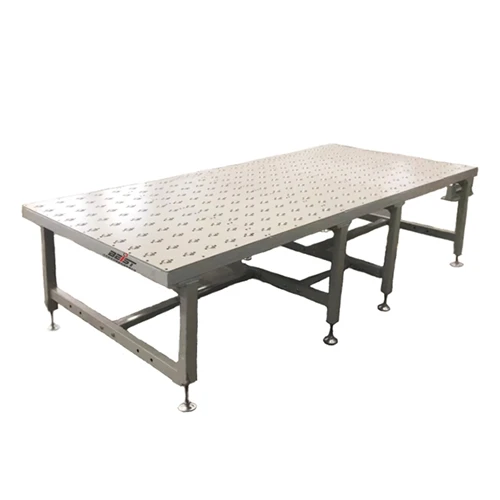
In the modern manufacturing and storage industry, the traceability of panel storage is of utmost importance. It ensures quality control, efficient inventory management, and compliance with various industry standards. As a leading Panel Storage Machine supplier, we understand the significance of traceability and how our machines can enhance this aspect.
The Importance of Traceability in Panel Storage
Traceability in panel storage refers to the ability to track and record the movement, storage conditions, and history of panels from the moment they enter the storage facility until they are retrieved. This information is crucial for several reasons. Firstly, it helps in quality control. By knowing the exact storage conditions and handling history of each panel, manufacturers can identify potential issues that may affect the panel's quality. For example, if a panel has been exposed to extreme temperatures or humidity during storage, it may develop defects that could compromise its performance.
Secondly, traceability is essential for inventory management. It allows companies to accurately track the quantity, location, and status of panels in storage. This helps in reducing inventory costs, preventing overstocking or stockouts, and improving overall supply chain efficiency.
Finally, traceability is often required by industry regulations and standards. Many industries, such as aerospace, automotive, and electronics, have strict requirements for the traceability of components and materials. By implementing a reliable traceability system, companies can ensure compliance with these regulations and avoid potential legal issues.
How a Panel Storage Machine Improves Traceability
Our Panel Storage Machines are designed to enhance the traceability of panel storage in several ways.
1. Automated Data Collection
One of the key features of our Panel Storage Machines is the ability to automatically collect data on panel storage. Each panel is assigned a unique identifier, such as a barcode or RFID tag. As the panel is stored or retrieved, the machine reads the identifier and records relevant information, such as the time of storage, the location within the storage system, and the storage conditions (e.g., temperature, humidity). This data is then stored in a database, which can be accessed and analyzed at any time.
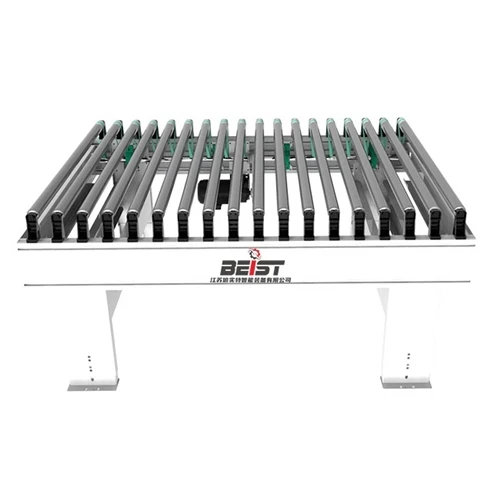
For example, our 90 Degree Cone-roller Type Turning Machine is equipped with advanced sensors and scanners that can accurately read the panel identifiers and collect data in real-time. This ensures that the traceability information is up-to-date and accurate.
2. Integration with Warehouse Management Systems (WMS)
Our Panel Storage Machines can be integrated with Warehouse Management Systems (WMS). This allows for seamless communication between the storage machine and the WMS, enabling real-time tracking of panel inventory. The WMS can provide detailed information on the location, quantity, and status of each panel, as well as generate reports on inventory levels, usage, and movement.
By integrating with the WMS, our Panel Storage Machines can also automate the process of inventory management. For example, when a panel is retrieved from storage, the WMS can automatically update the inventory records and generate a picking list for the next order. This reduces the risk of human error and improves the efficiency of the inventory management process.
3. Real-time Monitoring and Alerts
Our Panel Storage Machines are equipped with real-time monitoring capabilities. They can continuously monitor the storage conditions, such as temperature, humidity, and vibration, and send alerts if any of these conditions fall outside the acceptable range. This allows for timely intervention to prevent damage to the panels and ensure their quality.
For instance, if the temperature in the storage area exceeds the recommended level, the machine can send an alert to the relevant personnel, who can then take appropriate action, such as adjusting the temperature or moving the panels to a more suitable location.
4. Historical Data Analysis
The data collected by our Panel Storage Machines can be used for historical data analysis. By analyzing the data over time, companies can identify trends and patterns in panel storage and usage. This can help in making informed decisions regarding inventory management, storage capacity planning, and quality control.
For example, if the data shows that a particular type of panel is frequently used, the company can adjust its inventory levels accordingly to ensure that there is always an adequate supply. Additionally, by analyzing the storage conditions and handling history of panels that have developed defects, the company can identify potential areas for improvement in the storage process.
Case Studies
To illustrate the effectiveness of our Panel Storage Machines in improving traceability, let's look at a few case studies.
Case Study 1: A Furniture Manufacturer
A furniture manufacturer was facing challenges in managing its panel inventory. The company had a large number of panels stored in a warehouse, and it was difficult to track their location and status. As a result, there were frequent stockouts and overstocking issues, which led to increased costs and reduced productivity.
The company decided to implement our Panel Storage Machine. The machine was integrated with the company's WMS, and each panel was assigned a unique barcode. The machine automatically collected data on the storage location, time, and conditions of each panel. This allowed the company to accurately track its panel inventory and make informed decisions regarding inventory management.
After implementing the Panel Storage Machine, the company saw a significant improvement in its inventory management. The number of stockouts and overstocking issues was reduced, and the overall efficiency of the supply chain was improved. Additionally, the company was able to improve the quality of its products by ensuring that the panels were stored under the appropriate conditions.
Case Study 2: An Electronics Manufacturer
An electronics manufacturer was required to comply with strict industry regulations regarding the traceability of its components. The company needed to track the movement and storage history of each panel from the moment it entered the warehouse until it was used in the production process.
The company installed our Panel Storage Machine, which was equipped with RFID technology. The machine automatically read the RFID tags on each panel and recorded the relevant information in a database. This allowed the company to easily track the movement and storage history of each panel and generate reports for regulatory compliance.
By implementing the Panel Storage Machine, the company was able to meet the industry regulations and improve the traceability of its panel storage. This not only helped in ensuring the quality of its products but also enhanced its reputation in the market.

Conclusion
In conclusion, our Panel Storage Machines play a crucial role in improving the traceability of panel storage. By automating data collection, integrating with WMS, providing real-time monitoring and alerts, and enabling historical data analysis, our machines help companies to accurately track the movement, storage conditions, and history of panels. This leads to improved quality control, efficient inventory management, and compliance with industry regulations.
If you are interested in improving the traceability of your panel storage, we invite you to contact us for a consultation. Our team of experts will be happy to discuss your specific needs and recommend the best solution for your business.