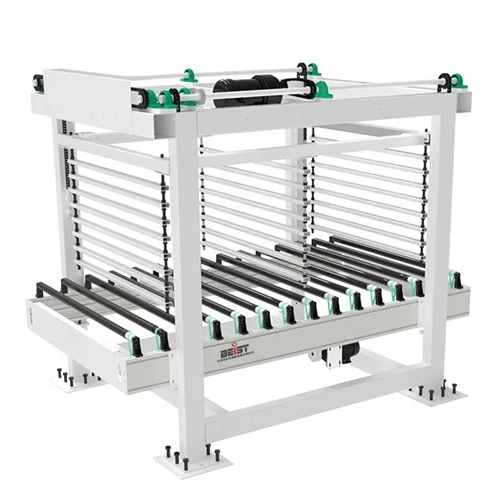
Hey there! As a supplier of carbon steel belt conveyors, I'm super stoked to share with you the ins and outs of how these nifty machines work. Carbon steel belt conveyors are widely used in various industries, from manufacturing to food processing, thanks to their durability, efficiency, and versatility. So, let's dive right in and explore the working principle of a carbon steel belt conveyor.
Basic Components
Before we get into the working principle, let's first take a look at the basic components of a carbon steel belt conveyor. These conveyors typically consist of a carbon steel belt, two or more pulleys, a drive unit, and a support structure.
The carbon steel belt is the heart of the conveyor. It's made of high-quality carbon steel, which gives it excellent strength and resistance to wear and tear. The belt is usually looped around two or more pulleys, which are responsible for moving the belt and carrying the load.
The pulleys are another crucial component of the conveyor. There are two main types of pulleys: the drive pulley and the idler pulley. The drive pulley is connected to the drive unit and is responsible for providing the power to move the belt. The idler pulley, on the other hand, is used to support the belt and keep it in place.
The drive unit is what makes the conveyor move. It typically consists of an electric motor, a gearbox, and a coupling. The electric motor provides the power, the gearbox reduces the speed and increases the torque, and the coupling connects the motor to the drive pulley.
The support structure is used to hold the conveyor in place and provide stability. It can be made of various materials, such as steel, aluminum, or plastic, depending on the application and the environment.
Working Principle
Now that we know the basic components of a carbon steel belt conveyor, let's take a look at how it works. The working principle of a carbon steel belt conveyor is relatively simple. It's based on the principle of friction and the movement of the belt.
When the drive unit is turned on, the electric motor starts to rotate. The rotation of the motor is transferred to the drive pulley through the gearbox and the coupling. As the drive pulley rotates, it creates friction between the belt and the pulley, which causes the belt to move.
The movement of the belt is then transferred to the load that is placed on the belt. The load is carried along the length of the conveyor by the movement of the belt. The speed of the conveyor can be adjusted by changing the speed of the electric motor or the gear ratio of the gearbox.
Advantages of Carbon Steel Belt Conveyors
Carbon steel belt conveyors offer several advantages over other types of conveyors. Here are some of the main advantages:
- Durability: Carbon steel is a strong and durable material that can withstand heavy loads and harsh environments. This makes carbon steel belt conveyors ideal for use in industries such as mining, construction, and manufacturing.
- Efficiency: Carbon steel belt conveyors are very efficient at moving materials. They can transport large volumes of materials over long distances quickly and easily.
- Versatility: Carbon steel belt conveyors can be used to transport a wide variety of materials, including solids, liquids, and powders. They can also be used in a variety of applications, such as sorting, grading, and packaging.
- Easy to Maintain: Carbon steel belt conveyors are relatively easy to maintain. They require minimal lubrication and can be easily cleaned and repaired.
Applications of Carbon Steel Belt Conveyors
Carbon steel belt conveyors are used in a wide variety of industries and applications. Here are some of the main applications:
- Manufacturing: Carbon steel belt conveyors are used in manufacturing plants to transport raw materials, components, and finished products between different stages of the production process.
- Mining: Carbon steel belt conveyors are used in mines to transport coal, ore, and other materials from the mine to the processing plant.
- Food Processing: Carbon steel belt conveyors are used in food processing plants to transport food products, such as fruits, vegetables, and meat, between different stages of the processing process.
- Packaging: Carbon steel belt conveyors are used in packaging plants to transport products to the packaging machines and to move the packaged products to the storage area.
Related Products
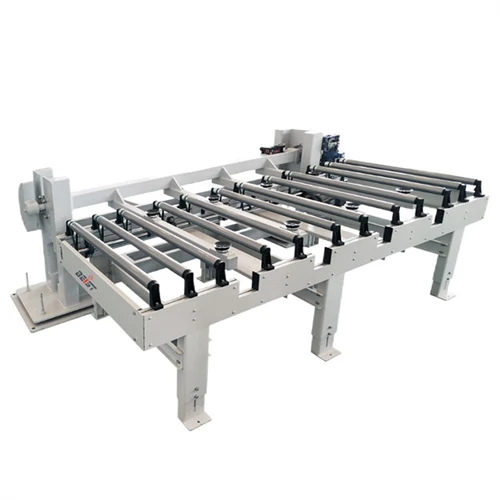
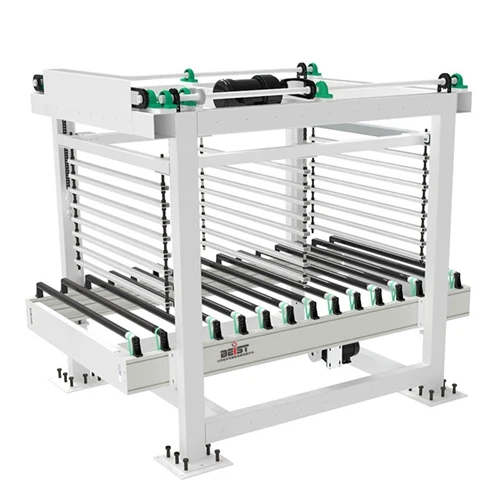
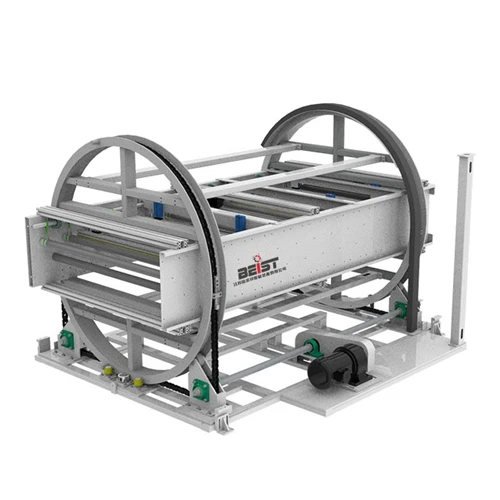
In addition to carbon steel belt conveyors, we also offer a range of related products, such as Turnover Conveyor, 90 Degree Cone-roller Type Turning Machine, and Powered Roller Conveyor-Fold. These products are designed to work together with our carbon steel belt conveyors to provide a complete material handling solution.
Conclusion
In conclusion, carbon steel belt conveyors are a reliable and efficient way to transport materials in a wide variety of industries and applications. They offer several advantages over other types of conveyors, including durability, efficiency, versatility, and easy maintenance. If you're in the market for a carbon steel belt conveyor or any of our related products, please don't hesitate to contact us. We'd be happy to help you find the right solution for your needs.


References
- "Conveyor Belt Handbook." Conveyor Equipment Manufacturers Association.
- "Belt Conveyors for Bulk Materials." CEMA Standard 550.