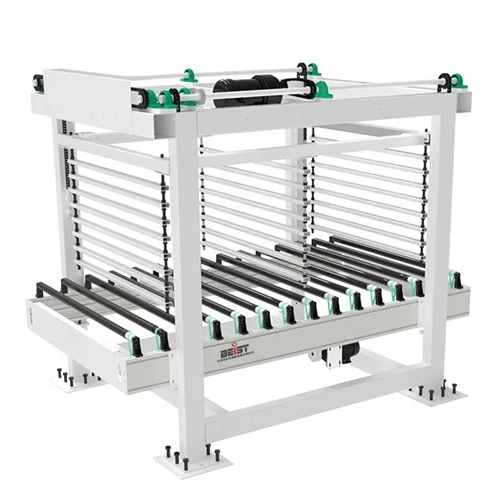
As a seasoned supplier of Gravity Roller Conveyors, I understand the critical role that proper roller alignment plays in the efficient operation of these systems. In this blog, I'll share comprehensive insights and practical steps on how to align the rollers of a gravity roller conveyor, ensuring optimal performance and longevity.
Understanding the Importance of Roller Alignment
Before delving into the alignment process, it's essential to grasp why proper roller alignment is so crucial. Misaligned rollers can lead to a host of problems, including uneven product flow, increased wear and tear on the rollers and other components, and potential damage to the conveyed items. Additionally, misalignment can cause the conveyor to operate inefficiently, resulting in decreased throughput and increased energy consumption.
Properly aligned rollers, on the other hand, ensure smooth and consistent product movement, reducing the risk of jams and minimizing maintenance requirements. This not only improves the overall productivity of the conveyor system but also extends its lifespan, providing a better return on investment for your business.
Tools and Materials Needed
Before you begin the alignment process, gather the necessary tools and materials. Here's a list of items you'll typically need:
- Straightedge: A long, flat tool used to check the straightness of the rollers.
- Measuring tape: For measuring distances and ensuring accurate alignment.
- Wrenches: To loosen and tighten the bolts securing the rollers.
- Shims: Thin pieces of material used to adjust the height and position of the rollers.
- Level: To ensure the conveyor is level and the rollers are parallel to the ground.
Step-by-Step Guide to Roller Alignment
Step 1: Prepare the Conveyor
Before starting the alignment process, make sure the conveyor is clean and free of any debris or obstructions. Turn off the power to the conveyor and lock out the electrical panel to prevent accidental startup. This will ensure your safety and allow you to work on the conveyor without any interruptions.
Step 2: Check the Conveyor Frame
Inspect the conveyor frame for any signs of damage or distortion. A damaged frame can cause the rollers to become misaligned, so it's important to address any issues before proceeding. Use a level to check the frame's levelness and make any necessary adjustments using shims or leveling feet.
Step 3: Measure the Roller Spacing
Using a measuring tape, measure the distance between the rollers at several points along the conveyor. The spacing should be consistent throughout the length of the conveyor. If you notice any significant variations in the spacing, it may indicate a misalignment issue that needs to be addressed.
Step 4: Check the Roller Straightness
Place a straightedge across the top of the rollers to check their straightness. The straightedge should make contact with the top of each roller along its entire length. If you notice any gaps between the straightedge and the rollers, it means the rollers are not straight and need to be adjusted.
Step 5: Adjust the Roller Position
To adjust the position of the rollers, loosen the bolts securing them to the conveyor frame. Use a wrench to carefully move the rollers into the correct position, using the straightedge and measuring tape as guides. Once the rollers are in the correct position, tighten the bolts to secure them in place.
Step 6: Check the Roller Height
Use a level to check the height of the rollers. The rollers should be level and parallel to the ground. If you notice any differences in height, use shims to adjust the position of the rollers until they are level.
Step 7: Recheck the Alignment
After making the necessary adjustments, recheck the alignment of the rollers using the straightedge and measuring tape. Make sure the rollers are straight, the spacing is consistent, and the height is level. If you notice any remaining issues, repeat the adjustment process until the alignment is correct.


Step 8: Test the Conveyor
Once you're satisfied with the alignment, turn on the power to the conveyor and test it with some sample products. Observe the product flow and make sure it's smooth and consistent. If you notice any issues, such as jams or uneven movement, stop the conveyor and recheck the alignment.
Common Alignment Issues and Solutions
Uneven Roller Spacing
If you notice uneven roller spacing, it may be due to a damaged or distorted conveyor frame. Inspect the frame for any signs of damage and make any necessary repairs. You may also need to adjust the position of the rollers to ensure consistent spacing.
Roller Misalignment
Roller misalignment can be caused by a variety of factors, including improper installation, wear and tear, or damage to the conveyor frame. To correct misalignment, follow the steps outlined in the alignment process above. Make sure to check the straightness and height of the rollers and adjust them as needed.
Roller Height Differences
Differences in roller height can cause the conveyed items to tilt or slide off the conveyor. To correct this issue, use shims to adjust the position of the rollers until they are level. Make sure to check the height of the rollers at multiple points along the conveyor to ensure consistency.
Additional Tips for Maintaining Roller Alignment
- Regularly inspect the conveyor for signs of wear and tear, and replace any damaged components as soon as possible.
- Keep the conveyor clean and free of debris to prevent buildup that can cause misalignment.
- Lubricate the rollers and other moving parts regularly to reduce friction and wear.
- Train your employees on proper conveyor operation and maintenance procedures to ensure they understand the importance of roller alignment.
Related Products
If you're in the market for a gravity roller conveyor or related products, I recommend checking out our Sorting Roller Conveyor, Gravity Skate Wheel Conveyor, and Roller Conveyor Cart. These products are designed to provide reliable and efficient material handling solutions for a variety of industries.
Contact Us for Procurement
If you have any questions about roller alignment or are interested in purchasing a gravity roller conveyor, please don't hesitate to contact us. Our team of experts is here to help you find the right solution for your needs and ensure a smooth and successful installation.
References
- "Gravity Roller Conveyor Installation and Maintenance Guide," Manufacturer's Manual
- "Material Handling Handbook," Third Edition, John A. White, Jr.