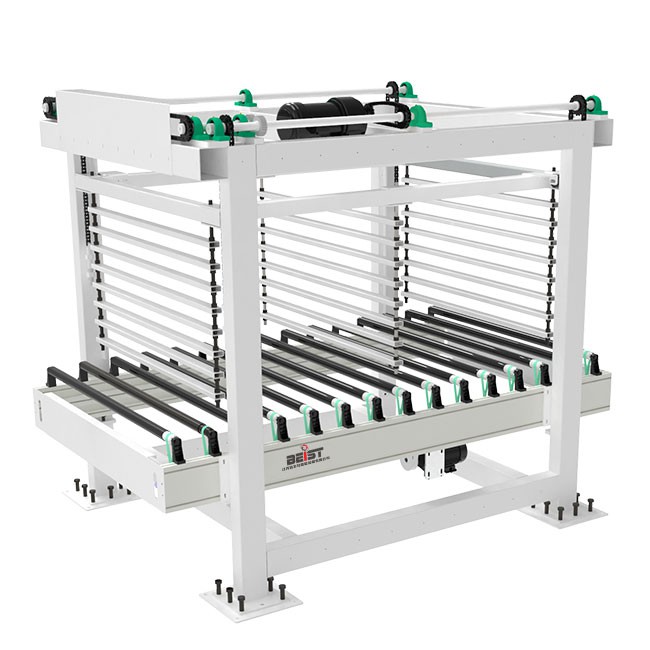
As a supplier of Ball Transfer Table Conveyors, I often get asked about the speed range of these remarkable pieces of equipment. Understanding the speed range is crucial for businesses looking to optimize their material handling processes, improve efficiency, and ensure seamless operations. In this blog post, I'll delve into the factors that influence the speed range of a ball transfer table conveyor and provide insights to help you make informed decisions for your specific needs.


What Are Ball Transfer Table Conveyors?
Before we discuss the speed range, let's briefly review what ball transfer table conveyors are. These conveyors consist of a flat surface filled with small, freely rotating balls. These balls allow objects placed on the table to move in any direction with minimal friction. Ball transfer tables are highly versatile and are used in a wide range of industries, including manufacturing, warehousing, and logistics, for tasks such as sorting, positioning, and transferring goods.
Factors Influencing the Speed Range
Several factors determine the speed range of a ball transfer table conveyor. Understanding these factors is essential for determining the optimal speed for your application.
1. Load Weight and Size
The weight and size of the load being transported are significant factors in determining the speed range. Heavier and larger loads require more force to move, which can limit the maximum speed of the conveyor. Additionally, unevenly distributed loads can cause instability and reduce the overall efficiency of the conveyor. As a general rule, lighter and smaller loads can be transported at higher speeds, while heavier and larger loads may need to be moved more slowly to ensure safe and reliable operation.
2. Ball Size and Material
The size and material of the balls used in the transfer table also play a role in the speed range. Larger balls generally provide more surface area for contact with the load, which can reduce friction and allow for higher speeds. However, larger balls may also be more prone to damage and require more maintenance. The material of the balls can also affect the speed range. For example, balls made of high-quality materials such as stainless steel or nylon may offer lower friction and better durability, allowing for higher speeds and longer service life.
3. Surface Condition
The condition of the surface on which the load is being transported can significantly impact the speed range. A smooth and clean surface will reduce friction and allow for faster movement, while a rough or dirty surface can increase friction and slow down the load. Regular maintenance and cleaning of the ball transfer table are essential to ensure optimal performance and speed.
4. Operational Environment
The operational environment in which the ball transfer table conveyor is used can also affect the speed range. Factors such as temperature, humidity, and the presence of dust or debris can impact the performance of the conveyor. For example, extreme temperatures can cause the balls to expand or contract, which can affect their movement and reduce the speed range. Additionally, dust and debris can accumulate on the balls and surface of the table, increasing friction and slowing down the load.
Typical Speed Range
The speed range of a ball transfer table conveyor can vary widely depending on the factors mentioned above. In general, ball transfer table conveyors can operate at speeds ranging from a few inches per minute to several feet per minute. For light-duty applications, such as small parts handling or assembly operations, speeds of up to 10 feet per minute may be achievable. For heavier-duty applications, such as pallet handling or large component transfer, speeds may be limited to a few inches per minute.
It's important to note that these are just general guidelines, and the actual speed range of a ball transfer table conveyor will depend on the specific requirements of your application. When selecting a ball transfer table conveyor, it's essential to work with a reputable supplier who can provide you with detailed information about the speed range and performance capabilities of their products.
Comparing with Other Conveyor Types
To better understand the speed range of ball transfer table conveyors, it's helpful to compare them with other types of conveyors. For example, Air Flotation Table Conveyor uses air pressure to float the load, which can result in very high speeds and low friction. These conveyors are often used in high-speed applications such as semiconductor manufacturing and electronics assembly. On the other hand, Gravity Roller Conveyor rely on gravity to move the load, which can limit the speed and require a certain degree of incline. These conveyors are commonly used in warehousing and distribution centers for tasks such as sorting and accumulation.
Another type of conveyor is the Conveyor Platform for Cold Press, which is designed for use in cold press applications. These conveyors typically operate at slower speeds to ensure precise positioning and control of the load.
Optimizing Speed for Your Application
To optimize the speed range of a ball transfer table conveyor for your specific application, it's important to consider the factors mentioned above and work with a supplier who can provide you with customized solutions. Here are some tips to help you optimize the speed of your ball transfer table conveyor:
- Select the Right Size and Material: Choose balls that are the appropriate size and material for your load and application. Larger balls and high-quality materials can reduce friction and allow for higher speeds.
- Maintain a Clean Surface: Regularly clean the surface of the ball transfer table to remove dust, debris, and other contaminants. A clean surface will reduce friction and improve the overall performance of the conveyor.
- Balance the Load: Ensure that the load is evenly distributed on the ball transfer table to prevent instability and reduce the risk of damage to the conveyor.
- Consider the Operational Environment: Take into account the temperature, humidity, and other environmental factors that may affect the performance of the conveyor. If necessary, use additional measures such as temperature control or dust protection to ensure optimal operation.
Conclusion
The speed range of a ball transfer table conveyor is influenced by several factors, including load weight and size, ball size and material, surface condition, and operational environment. By understanding these factors and working with a reputable supplier, you can select a ball transfer table conveyor that meets your specific requirements and provides optimal performance and efficiency.
If you're interested in learning more about ball transfer table conveyors or have specific questions about the speed range for your application, please don't hesitate to contact us. Our team of experts is here to help you find the right solution for your material handling needs.
References
- Material Handling Equipment Manufacturers Association (MHEDA). (n.d.). Ball Transfer Tables. Retrieved from [Website URL]
- Conveyor Equipment Manufacturers Association (CEMA). (n.d.). Conveyor Handbook. Retrieved from [Website URL]