Hey there! As a supplier of hydraulic lift tables, I've gotten a ton of questions about noise reduction technology. It's a big deal, especially in workplaces where noise can be a real nuisance or even a safety hazard. So, let's dive into what noise reduction technology is used in hydraulic lift tables.
First off, we need to understand where the noise in hydraulic lift tables comes from. There are a few main sources. One is the hydraulic pump. When the pump operates, it creates pressure to move the hydraulic fluid through the system, and this process can generate a fair amount of noise. Another source is the movement of the lift table itself. The mechanical parts, like the cylinders and the platform, can make noise as they move up and down or when they come into contact with other components.


Now, let's talk about the different noise - reduction technologies we use.
1. Isolation Mounts
One of the most common methods is using isolation mounts. These are basically rubber or elastomeric pads that are placed between the hydraulic pump and the frame of the lift table. The idea is simple. When the pump vibrates, these mounts absorb the vibrations, preventing them from being transferred to the rest of the lift table. This significantly reduces the noise that would otherwise be produced as the vibrations travel through the metal frame and cause it to resonate. For example, if you've ever seen a big industrial machine with rubber feet, it's the same concept. Those rubber feet isolate the machine from the floor, reducing the noise and vibration transfer.
2. Sound - Absorbing Materials
We also use sound - absorbing materials in the construction of our hydraulic lift tables. These materials are usually installed inside the enclosure of the hydraulic pump or around the moving parts. They work by converting sound energy into heat energy. Think of it like a sponge for sound. The porous structure of these materials traps the sound waves, and as the waves bounce around inside the material, their energy is gradually dissipated. Some common sound - absorbing materials we use include fiberglass insulation and acoustic foam. We line the pump enclosures with these materials to create a quiet environment for the pump to operate in.
3. Hydraulic Fluid Design
Believe it or not, the hydraulic fluid itself can play a role in noise reduction. We use specially formulated hydraulic fluids that have low viscosity and good anti - foaming properties. Low - viscosity fluids flow more easily through the hydraulic system, reducing the pressure and turbulence inside the pipes and valves. Turbulence is a major source of noise in hydraulic systems, so by minimizing it, we can cut down on the noise. Anti - foaming properties are also crucial because air bubbles in the hydraulic fluid can cause cavitation, which is a very noisy process. When these bubbles collapse, they create a popping sound, and over time, they can also damage the hydraulic components.
4. Precision Engineering
Precision engineering is another key factor in noise reduction. We design and manufacture our hydraulic lift tables with tight tolerances. This means that all the components fit together perfectly, leaving no room for rattling or loose parts. For example, the cylinders are machined to very precise dimensions so that the piston moves smoothly inside them without any play. The same goes for the valves and other hydraulic components. When everything fits together snugly, there's less noise from the movement of the parts.
5. Quiet Pumps
We've also invested in research and development to find and use quiet pumps. There are some pumps on the market that are specifically designed to operate with minimal noise. These pumps use advanced technology, such as variable - speed drives and optimized impeller designs. Variable - speed drives allow the pump to adjust its speed according to the load, which means it doesn't have to run at full speed all the time, reducing the noise. Optimized impeller designs ensure that the fluid is pumped smoothly, without creating unnecessary turbulence.
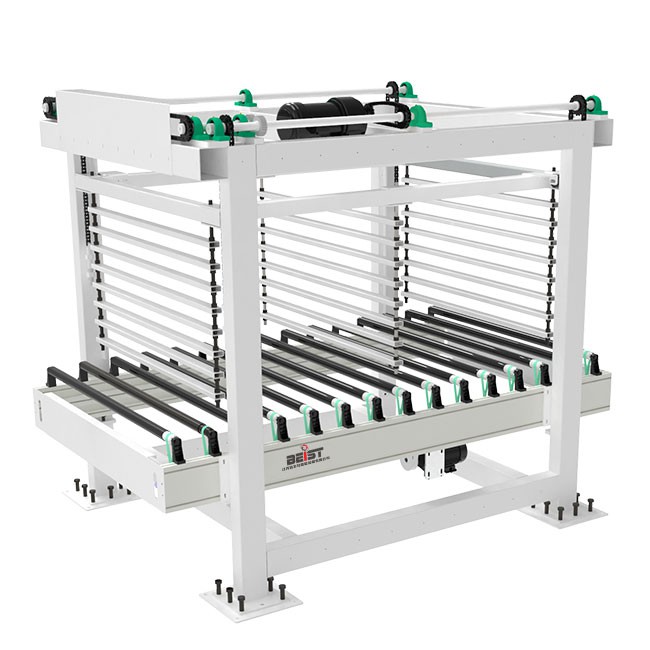
Now, let me tell you about some of our great products that benefit from these noise - reduction technologies. We have the Conveyor Lifting Table with Forklift. This lift table is perfect for warehouses and distribution centers where noise can be a problem. It's equipped with all the latest noise - reduction features, so you can operate it without disturbing the entire workplace.
Our Electric Hydraulic Lift Table is another great option. It's powered by an electric motor, which is generally quieter than a traditional hydraulic pump. And with our additional noise - reduction technologies, it's even quieter. This lift table is ideal for indoor use, such as in factories or workshops where noise levels need to be kept low.
The Lifting Table with Forklift is also a popular choice. It combines the functionality of a lift table with the convenience of a forklift. And thanks to our noise - reduction efforts, you can use it in areas where noise is a concern, like in a shared industrial space.
If you're in the market for a hydraulic lift table and noise reduction is important to you, we'd love to talk to you. Whether you're looking for a small, electric - powered lift table for a workshop or a large, heavy - duty lift table for a warehouse, we have the right solution for you. We can customize our lift tables to meet your specific needs, and our team of experts is always on hand to answer any questions you might have.
So, don't hesitate to reach out to us for a quote or to discuss your requirements. We're confident that our noise - reduced hydraulic lift tables will meet your expectations and improve the working environment in your facility.
References
- Hydraulic System Design Handbook.
- Industrial Noise Control and Acoustics by Craig A. Hansen.