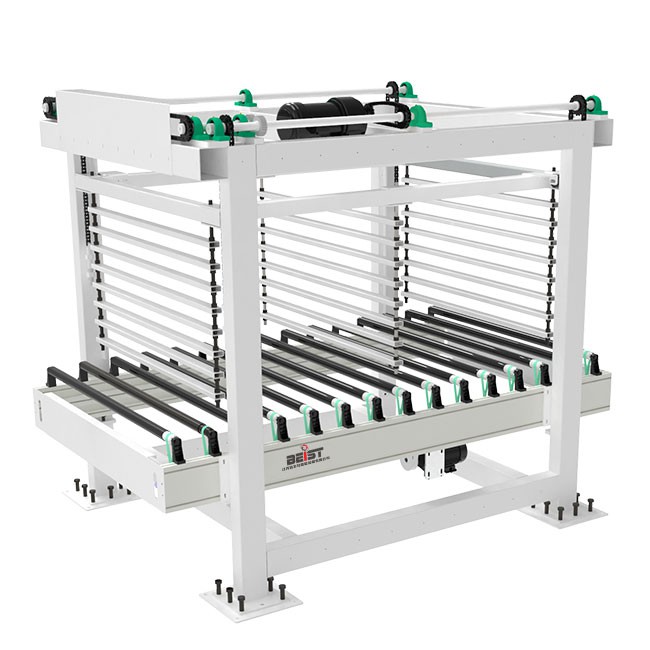
What is the noise level of a ball transfer table conveyor?
As a supplier of Ball Transfer Table Conveyors, I often receive inquiries about various aspects of our products. One question that comes up quite frequently is about the noise level of a ball transfer table conveyor. In this blog post, I will delve into this topic, explaining what factors influence the noise level, typical noise levels, and how to manage or reduce the noise if necessary.
Factors Influencing the Noise Level of a Ball Transfer Table Conveyor
Several factors contribute to the noise generated by a ball transfer table conveyor. Understanding these factors is crucial for both suppliers and users to manage and optimize the performance of the conveyor system.
-
Ball Design and Quality
The design and quality of the balls used in the transfer table play a significant role in noise generation. High - quality balls with smooth surfaces and precise dimensions tend to produce less noise. When the balls are well - made, they roll more smoothly over the raceways, reducing friction and vibration, which are major sources of noise. On the other hand, low - quality balls may have irregularities on their surfaces or inaccurate dimensions, leading to increased noise as they interact with the conveyor structure. -
Load and Speed
The load being transported on the ball transfer table conveyor and the speed at which it moves also affect the noise level. Higher loads can cause more pressure on the balls and the supporting structure, resulting in increased friction and noise. Similarly, higher conveyor speeds can lead to more rapid movement of the balls, generating more noise due to the increased kinetic energy and the impact between the balls and the load or the conveyor frame. -
Conveyor Structure and Mounting
The design and construction of the conveyor structure itself can influence noise levels. A well - engineered and rigid structure can dampen vibrations and reduce noise. If the conveyor is not properly mounted or if it has loose components, it can amplify the noise generated by the moving balls. For example, a conveyor that is not level or is not securely fastened to the floor may vibrate more, causing additional noise. -
Environmental Conditions
The environment in which the ball transfer table conveyor operates can also have an impact on the noise level. Dust, debris, and moisture can accumulate on the balls and the raceways, increasing friction and noise. In addition, extreme temperatures can affect the material properties of the balls and the conveyor components, potentially leading to increased noise.
Typical Noise Levels of Ball Transfer Table Conveyors
The noise level of a ball transfer table conveyor can vary depending on the factors mentioned above. In general, a well - designed and properly maintained ball transfer table conveyor operating under normal conditions (moderate load and speed) can produce noise levels in the range of 50 - 70 decibels (dB). This is comparable to the noise level of a normal conversation or a quiet office environment.
However, if the conveyor is operating under heavy loads, high speeds, or if it has issues such as poor ball quality or loose components, the noise level can increase significantly. In some cases, it can reach up to 80 - 90 dB, which is similar to the noise level of a lawnmower or a busy street.
Measuring and Monitoring the Noise Level
To accurately determine the noise level of a ball transfer table conveyor, a sound level meter can be used. The meter should be placed at a specific distance from the conveyor, usually about 1 meter away, at ear - height. Multiple measurements should be taken at different points around the conveyor to get an average noise level.
Regular monitoring of the noise level is important to detect any changes over time. An increase in noise level can be an indication of a problem, such as worn - out balls, loose components, or improper lubrication. By detecting these issues early, maintenance can be carried out promptly to prevent further damage and reduce the noise level.
Strategies to Reduce the Noise Level
If the noise level of a ball transfer table conveyor is a concern, there are several strategies that can be employed to reduce it.
-
Choose High - Quality Components
Investing in high - quality balls and other conveyor components can significantly reduce noise. High - quality balls are designed to roll smoothly, with minimal friction and vibration. Additionally, using a well - engineered conveyor structure can also help dampen vibrations and reduce noise. -
Proper Lubrication
Lubricating the balls and the raceways can reduce friction and noise. The type of lubricant used should be appropriate for the operating conditions of the conveyor. For example, in a dusty environment, a lubricant with good anti - dust properties should be used. -
Load and Speed Optimization
Operating the conveyor at optimal load and speed levels can help reduce noise. Avoid overloading the conveyor or running it at excessive speeds. If possible, adjust the load and speed based on the specific requirements of the material being transported. -
Vibration Isolation
Using vibration isolation pads or mounts can help reduce the transmission of vibrations from the conveyor to the surrounding environment. These pads or mounts absorb the vibrations, preventing them from being amplified and reducing the overall noise level.
Comparison with Other Conveyor Types
When considering the noise level of a ball transfer table conveyor, it is also useful to compare it with other types of conveyors. For example, a Sorting Roller Conveyor may produce different noise levels depending on its design and operation. Roller conveyors typically rely on the rotation of rollers to move the load, and the noise generated can be influenced by factors such as roller quality, load distribution, and speed.
Similarly, a Curved Roller Conveyor has its own unique noise characteristics. The curvature of the conveyor can introduce additional forces and vibrations, which may affect the noise level. In general, ball transfer table conveyors tend to be quieter than some other types of conveyors, especially those with more complex moving parts or higher - speed operations.
Importance of Low - Noise Conveyors in Different Industries
In many industries, low - noise conveyors are highly desirable. In food and beverage industries, for example, low - noise conveyors are important to maintain a quiet and comfortable working environment for employees. They also help prevent noise pollution in areas where food is processed or packaged.
In electronics manufacturing, low - noise conveyors are crucial to avoid interference with sensitive electronic equipment. Noise can cause electromagnetic interference, which can affect the performance and reliability of electronic components.
In office or commercial settings, where a quiet environment is essential, low - noise ball transfer table conveyors can be used to transport documents or small items without disturbing the surrounding work.
Conclusion
The noise level of a ball transfer table conveyor is influenced by various factors, including ball design, load, speed, conveyor structure, and environmental conditions. By understanding these factors, users can take appropriate measures to manage and reduce the noise level. As a supplier of Ball Transfer Table Conveyors, we are committed to providing high - quality products that meet the noise requirements of different industries.


If you are interested in learning more about our ball transfer table conveyors or have specific requirements regarding noise levels, please feel free to contact us for a detailed discussion. We are more than happy to assist you in finding the right conveyor solution for your needs.
References
- Conveyor Handbook: A Comprehensive Guide to Conveyor Systems and Technologies
- Industrial Noise Control: Principles and Practices for Manufacturing Environments