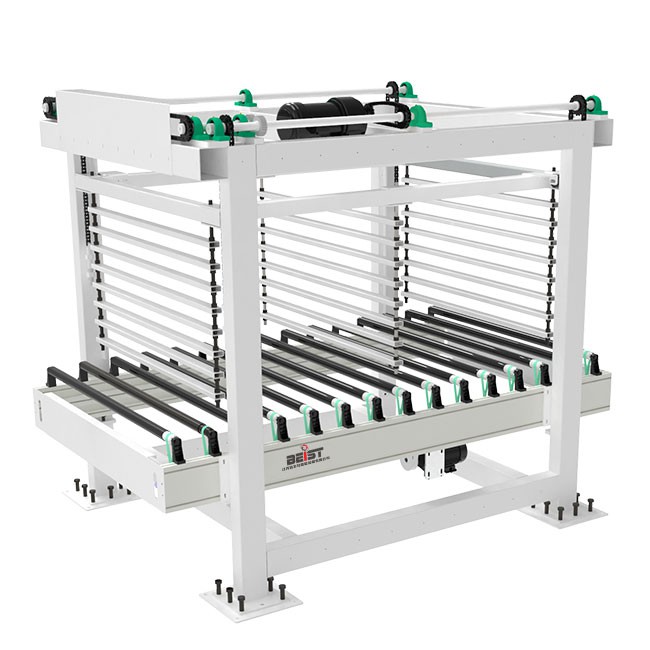
In the bustling world of material handling and logistics, carts play a pivotal role in streamlining operations and ensuring the efficient movement of goods. Among the various types of carts available, roller conveyor carts and regular carts stand out as two popular choices, each with its own unique features and applications. As a supplier of roller conveyor carts, I am often asked about the differences between these two types of carts. In this blog post, I will delve into the nuances of roller conveyor carts and regular carts, highlighting their distinct characteristics, advantages, and use cases.
Understanding Regular Carts
Regular carts, also known as utility carts or hand trucks, are simple yet versatile tools used for transporting a wide range of items. They typically consist of a flat platform or a series of shelves mounted on wheels, allowing users to move goods from one location to another with relative ease. Regular carts come in various sizes, shapes, and configurations to accommodate different load capacities and types of cargo.
One of the primary advantages of regular carts is their simplicity and ease of use. They are generally lightweight and maneuverable, making them ideal for small-scale operations or tasks that require frequent movement of items over short distances. Regular carts are also relatively inexpensive compared to other types of material handling equipment, making them a cost-effective solution for businesses on a budget.
However, regular carts have some limitations. They rely on manual effort to move the load, which can be physically demanding, especially when dealing with heavy or bulky items. Additionally, regular carts do not have built-in mechanisms for facilitating the movement of goods, such as rollers or conveyors, which can make it challenging to load and unload items quickly and efficiently.
Exploring Roller Conveyor Carts
Roller conveyor carts, on the other hand, are a specialized type of cart that incorporates a series of rollers or conveyor belts to facilitate the movement of goods. These carts are designed to provide a smooth and continuous flow of materials, making them ideal for applications that require the rapid and efficient transfer of items.
One of the key features of roller conveyor carts is their ability to reduce the amount of manual labor required to move the load. The rollers or conveyor belts on the cart allow the goods to glide smoothly along the surface, minimizing the need for pushing or pulling. This not only reduces the physical strain on the operator but also increases the overall efficiency of the material handling process.
Roller conveyor carts also offer greater flexibility and customization options compared to regular carts. They can be designed with different types of rollers, conveyor belts, and configurations to suit specific applications and requirements. For example, some roller conveyor carts are equipped with adjustable rollers or conveyor belts that can be tilted or angled to facilitate the loading and unloading of items at different heights.
Another advantage of roller conveyor carts is their ability to handle a wide range of load sizes and weights. They can be designed to accommodate heavy or bulky items, as well as small or lightweight objects. This makes them suitable for a variety of industries, including manufacturing, warehousing, distribution, and logistics.
Key Differences Between Roller Conveyor Carts and Regular Carts
Now that we have a better understanding of regular carts and roller conveyor carts, let's take a closer look at the key differences between these two types of carts:
1. Loading and Unloading Efficiency
One of the most significant differences between roller conveyor carts and regular carts is their loading and unloading efficiency. Roller conveyor carts are designed to facilitate the rapid and efficient transfer of goods, thanks to their built-in rollers or conveyor belts. These mechanisms allow the items to glide smoothly along the surface of the cart, reducing the time and effort required to load and unload the load.
In contrast, regular carts rely on manual effort to move the load, which can be time-consuming and physically demanding. Loading and unloading heavy or bulky items from a regular cart can be particularly challenging, as it often requires lifting and maneuvering the items into place.
2. Manual Labor Requirements
Another key difference between roller conveyor carts and regular carts is the amount of manual labor required to operate them. Roller conveyor carts are designed to minimize the need for manual labor, as the rollers or conveyor belts do most of the work. This not only reduces the physical strain on the operator but also increases the overall efficiency of the material handling process.
Regular carts, on the other hand, rely entirely on manual effort to move the load. This can be a significant drawback, especially when dealing with heavy or bulky items, as it can lead to fatigue and injuries over time.
3. Load Capacity and Flexibility
Roller conveyor carts are generally capable of handling larger and heavier loads compared to regular carts. They can be designed with different types of rollers, conveyor belts, and configurations to accommodate a wide range of load sizes and weights. This makes them suitable for a variety of applications, including the transportation of heavy machinery, pallets, and large containers.
Regular carts, on the other hand, have limited load capacities and are typically designed to handle smaller and lighter items. While they can be used to transport a variety of goods, they may not be suitable for applications that require the movement of heavy or bulky items.
4. Customization Options
Roller conveyor carts offer greater flexibility and customization options compared to regular carts. They can be designed with different types of rollers, conveyor belts, and configurations to suit specific applications and requirements. For example, some roller conveyor carts are equipped with adjustable rollers or conveyor belts that can be tilted or angled to facilitate the loading and unloading of items at different heights.
Regular carts, on the other hand, are generally more standardized and have limited customization options. While they can be modified to some extent, they may not be able to meet the specific needs of certain applications.
Applications of Roller Conveyor Carts
Roller conveyor carts are widely used in a variety of industries and applications, including:
1. Manufacturing
In the manufacturing industry, roller conveyor carts are used to transport raw materials, components, and finished products between different stages of the production process. They can be used to move items from one workstation to another, as well as to load and unload items from machines and equipment.


2. Warehousing and Distribution
In the warehousing and distribution industry, roller conveyor carts are used to move goods within the warehouse or distribution center. They can be used to transport items from the receiving area to the storage area, as well as to pick and pack orders for shipment.
3. Logistics
In the logistics industry, roller conveyor carts are used to move goods between different modes of transportation, such as trucks, trains, and airplanes. They can be used to load and unload items from vehicles, as well as to transfer items between different types of transportation equipment.
4. Retail
In the retail industry, roller conveyor carts are used to move merchandise within the store. They can be used to transport items from the backroom to the sales floor, as well as to restock shelves and displays.
Conclusion
In conclusion, roller conveyor carts and regular carts are two different types of material handling equipment that offer distinct advantages and applications. Regular carts are simple, versatile, and cost-effective, making them ideal for small-scale operations or tasks that require frequent movement of items over short distances. Roller conveyor carts, on the other hand, are designed to provide a smooth and continuous flow of materials, reducing the amount of manual labor required and increasing the overall efficiency of the material handling process.
As a supplier of roller conveyor carts, I understand the importance of choosing the right type of cart for your specific needs and requirements. Whether you are looking for a simple and cost-effective solution or a more advanced and customizable option, I can help you find the perfect roller conveyor cart for your business.
If you are interested in learning more about our roller conveyor carts or would like to discuss your specific needs and requirements, please do not hesitate to contact us. Our team of experts is available to answer your questions and provide you with a customized solution that meets your budget and specifications.
References
- "Material Handling Equipment: Types and Applications." Material Handling Industry of America.
- "Roller Conveyor Carts: A Comprehensive Guide." Conveyor Systems Ltd.
- "Regular Carts vs. Roller Conveyor Carts: Which is Right for Your Business?" Logistics Management.
In addition to the above, you may also want to explore our other products such as Air Flotation Table Conveyor, Sorting Roller Conveyor, and Pneumatic Roller Conveyor. These products are designed to provide efficient and reliable material handling solutions for a variety of industries and applications. Contact us today to discuss how our products can meet your specific needs and requirements.