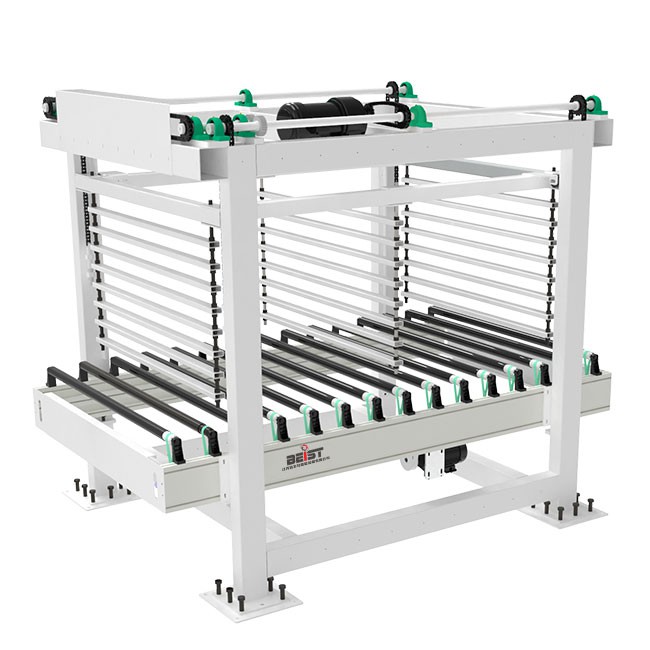
Hey there! As a supplier of Ball Transfer Table Conveyors, I've seen my fair share of common problems that users run into. In this blog, I'm gonna share some tips on how to troubleshoot these issues so you can keep your conveyor running smoothly.
1. Uneven Movement of Items
One of the most common problems with a ball transfer table conveyor is when items don't move evenly across the table. This can be really frustrating, especially if you're trying to move delicate or precision items.
Possible Causes
- Ball Wear: Over time, the balls on the transfer table can wear down. This can cause uneven movement because some balls won't roll as smoothly as others.
- Debris: Dust, dirt, or small particles can get stuck between the balls or in the ball bearings. This can interfere with the normal rolling motion of the balls.
- Table Leveling: If the table isn't level, items will naturally gravitate towards the lower side, causing uneven movement.
Solutions
- Inspect and Replace Balls: Regularly check the balls for signs of wear. If you notice any balls that are cracked, chipped, or have significant wear, replace them. We usually recommend a visual inspection every few months, depending on how often the conveyor is used.
- Clean the Table: Use a soft brush or compressed air to remove any debris from the table. You can also use a mild cleaning solution to wipe down the table, but make sure it's dry before using it again.
- Level the Table: Use a spirit level to check if the table is level. If it's not, adjust the feet of the table until it is. This simple step can make a huge difference in the movement of items on the conveyor.
2. Excessive Noise
If your ball transfer table conveyor is making a lot of noise, it's a sign that something might be wrong. Excessive noise can be annoying and can also indicate a more serious problem.


Possible Causes
- Loose Components: Bolts, nuts, or other components might have come loose over time. This can cause rattling or banging noises as the conveyor operates.
- Worn Bearings: The bearings in the ball transfer units can wear out, causing a grinding or squeaking noise.
- Misaligned Parts: If the conveyor parts are not properly aligned, it can cause friction and noise.
Solutions
- Tighten Loose Components: Use a wrench to check and tighten all the bolts and nuts on the conveyor. Make sure everything is secure.
- Replace Worn Bearings: If you suspect that the bearings are worn, replace them. This might require some technical knowledge, so if you're not comfortable doing it yourself, you can always contact us for assistance.
- Check and Align Parts: Inspect the conveyor for any misaligned parts. If you find any, adjust them to ensure proper alignment. This might involve some trial and error, but it's worth it to reduce the noise.
3. Slow or Stalled Movement
Sometimes, items might move slowly or even stall on the ball transfer table conveyor. This can disrupt your workflow and cause delays.
Possible Causes
- Overloading: If you're trying to move items that are too heavy or too large for the conveyor, it can cause slow or stalled movement.
- Lack of Lubrication: The balls and bearings need to be lubricated to ensure smooth movement. If they're dry, it can increase friction and slow down the conveyor.
- Mechanical Blockage: There might be a physical blockage in the conveyor, such as a piece of debris or a misaligned part.
Solutions
- Check the Load Capacity: Make sure you're not exceeding the load capacity of the conveyor. Refer to the product specifications to determine the maximum weight and size of items that can be moved on the conveyor.
- Lubricate the Balls and Bearings: Use a suitable lubricant to lubricate the balls and bearings. Follow the manufacturer's recommendations for the type of lubricant to use and how often to apply it.
- Remove Mechanical Blockages: Inspect the conveyor for any blockages. If you find any, remove them carefully. Make sure to power off the conveyor before doing any maintenance work.
4. Inconsistent Directional Control
If you're having trouble controlling the direction of items on the ball transfer table conveyor, it can be a real headache.
Possible Causes
- Ball Alignment: The balls might not be properly aligned, causing items to move in unexpected directions.
- Surface Damage: If the table surface is damaged, it can affect the movement of items and make it difficult to control their direction.
- Operator Error: Sometimes, the problem might be as simple as incorrect operator handling.
Solutions
- Check and Adjust Ball Alignment: Inspect the balls to make sure they're aligned correctly. If you find any misaligned balls, adjust them. This might require some patience, but it can significantly improve the directional control of the conveyor.
- Repair or Replace the Table Surface: If the table surface is damaged, repair or replace it. A smooth and undamaged surface is essential for consistent directional control.
- Provide Operator Training: Make sure your operators are properly trained on how to use the conveyor. This can include how to load items correctly and how to control their movement on the table.
Related Conveyor Products
If you're looking for other types of conveyors to complement your ball transfer table conveyor, we have some great options. Check out our Conveyor Crossover Bridge, Sorting Roller Conveyor, and Gravity Skate Wheel Conveyor. These conveyors can work together with your ball transfer table conveyor to create a more efficient material handling system.
Conclusion
Troubleshooting common problems with a ball transfer table conveyor doesn't have to be difficult. By following these tips, you can identify and fix most issues on your own. However, if you run into any problems that you're not sure how to handle, don't hesitate to contact us. We're here to help you keep your conveyor running smoothly.
If you're interested in purchasing a ball transfer table conveyor or any of our other conveyor products, or if you have any questions about troubleshooting or maintenance, feel free to reach out to us. We'd love to have a chat with you and discuss how we can meet your material handling needs.
References
- Conveyor Industry Handbook
- Manufacturer's Manuals for Ball Transfer Table Conveyors