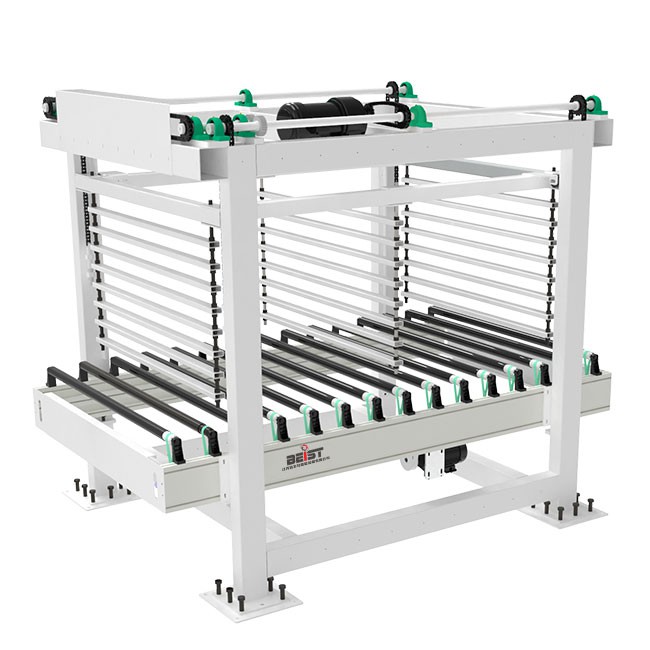
Hey there! As a supplier of pneumatic roller conveyors, I've seen my fair share of common problems that can pop up with these nifty pieces of equipment. In this blog, I'm gonna walk you through how to troubleshoot those issues so you can keep your conveyor running smoothly.
1. Lack of Movement
One of the most common problems you might face is when the pneumatic roller conveyor just won't move. This can be a real headache, especially when you've got a production line depending on it.
Possible Causes
- Air Supply Issues: First things first, check the air supply. If there's not enough air pressure, the rollers won't be able to move. Make sure the air compressor is working properly and that the air hoses aren't kinked or blocked.
- Valve Problems: Faulty valves can also prevent the conveyor from moving. Check the pneumatic valves to see if they're opening and closing correctly. Sometimes, debris can get stuck in the valves, causing them to malfunction.
- Roller Blockage: Take a look at the rollers themselves. If there's something blocking them, like a piece of debris or a product that's gotten jammed, it can stop the conveyor in its tracks.
Troubleshooting Steps
- Check Air Pressure: Use a pressure gauge to measure the air pressure at the inlet of the conveyor. It should be within the recommended range specified by the manufacturer. If it's too low, adjust the air compressor settings or check for leaks in the air hoses.
- Inspect Valves: Clean the pneumatic valves to remove any debris. You can use a small brush or compressed air to blow out the dirt. If the valves are damaged, you may need to replace them.
- Clear Roller Blockage: Carefully remove any objects that are blocking the rollers. Make sure to do this with the power off to avoid any accidents.
2. Uneven Movement
Another problem you might encounter is uneven movement of the conveyor. This can cause products to jostle around or even fall off the conveyor, which is definitely not ideal.
Possible Causes
- Uneven Roller Installation: If the rollers aren't installed correctly, they may not rotate smoothly. This can lead to uneven movement of the conveyor.
- Worn-out Rollers: Over time, the rollers can wear out, especially if they're used frequently. Worn-out rollers can cause the conveyor to move unevenly.
- Imbalanced Load: If the load on the conveyor is not evenly distributed, it can cause the conveyor to move unevenly.
Troubleshooting Steps
- Check Roller Installation: Make sure the rollers are installed correctly and are properly aligned. You may need to adjust the mounting brackets or tighten any loose bolts.
- Replace Worn-out Rollers: If you notice that some of the rollers are worn out, replace them with new ones. This will help ensure smooth and even movement of the conveyor.
- Balance the Load: Try to distribute the load evenly on the conveyor. You can use guides or dividers to help keep the products in place and prevent them from shifting.
3. Excessive Noise
Excessive noise coming from the pneumatic roller conveyor can be a sign of a problem. It can also be a nuisance in the workplace, so it's important to address it as soon as possible.


Possible Causes
- Loose Components: Check for any loose bolts, nuts, or other components on the conveyor. Loose parts can vibrate and cause noise.
- Worn-out Bearings: The bearings in the rollers can wear out over time, causing them to make noise.
- Air Leaks: Air leaks in the pneumatic system can also cause noise. You may hear a hissing sound if there's an air leak.
Troubleshooting Steps
- Tighten Loose Components: Use a wrench to tighten any loose bolts or nuts on the conveyor. Make sure to check all the components, including the mounting brackets and the rollers themselves.
- Replace Worn-out Bearings: If you suspect that the bearings are worn out, replace them with new ones. This will help reduce the noise and ensure smooth operation of the conveyor.
- Find and Fix Air Leaks: Use a soapy water solution to check for air leaks. Apply the solution to the air hoses and connections, and look for bubbles. If you find a leak, tighten the connection or replace the damaged hose.
4. Product Jams
Product jams can be a major problem on a pneumatic roller conveyor. They can cause downtime and damage to the products and the conveyor itself.
Possible Causes
- Incorrect Product Size: If the products being transported on the conveyor are too large or too small for the rollers, they can get jammed.
- Obstructions in the Conveyor Path: Check for any obstructions in the conveyor path, such as debris or tools. These can cause the products to get stuck.
- Improper Conveyor Speed: If the conveyor speed is too fast or too slow, it can cause the products to jam.
Troubleshooting Steps
- Check Product Size: Make sure the products being transported on the conveyor are the correct size for the rollers. You may need to adjust the conveyor settings or use a different type of conveyor if the products are too large or too small.
- Remove Obstructions: Carefully remove any obstructions in the conveyor path. Make sure to do this with the power off to avoid any accidents.
- Adjust Conveyor Speed: Try adjusting the conveyor speed to see if it helps prevent product jams. You may need to experiment with different speeds to find the optimal setting.
5. Roller Slippage
Roller slippage can occur when the rollers don't grip the products properly, causing them to slide or not move at all.
Possible Causes
- Dirty Rollers: If the rollers are dirty, they may not be able to grip the products properly.
- Low Friction Surface: The surface of the rollers may have a low friction coefficient, causing the products to slip.
- Incorrect Roller Tension: If the rollers are not tensioned correctly, they may not be able to provide enough grip.
Troubleshooting Steps
- Clean the Rollers: Use a clean cloth or a mild detergent to clean the rollers. This will help remove any dirt or debris that may be causing the slippage.
- Increase Friction: You can try using a roller with a higher friction surface or applying a friction-enhancing coating to the existing rollers.
- Adjust Roller Tension: Check the roller tension and adjust it if necessary. Make sure the rollers are tight enough to provide sufficient grip but not so tight that they cause excessive wear.
Conclusion
Troubleshooting common problems of a pneumatic roller conveyor doesn't have to be a daunting task. By following the steps outlined in this blog, you can quickly identify and fix most issues. Remember, regular maintenance and inspection of your conveyor can help prevent problems from occurring in the first place.
If you're in the market for a new pneumatic roller conveyor or need help with troubleshooting an existing one, don't hesitate to [contact us]. We're here to help you keep your production line running smoothly.
We also offer a variety of other conveyor options, such as the Conveyor Platform for Cold Press, Sorting Roller Conveyor, and Gravity Roller Conveyor. These conveyors are designed to meet the specific needs of your business and can help improve your efficiency and productivity.
So, what are you waiting for? Contact us today to learn more about our products and services and to discuss your conveyor needs.
References
- Manufacturer's Manuals for Pneumatic Roller Conveyors
- Industry Best Practices for Conveyor Maintenance and Troubleshooting