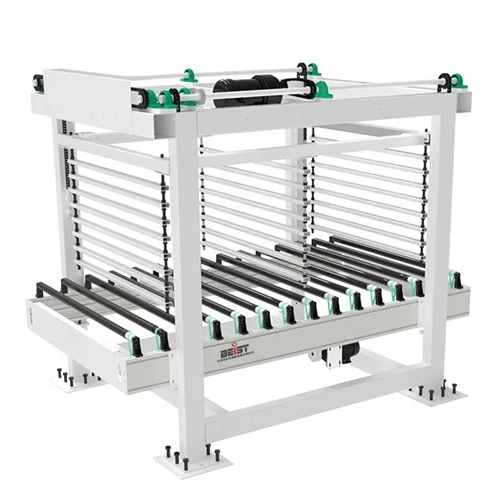
Hey there! As a supplier of Lifting Table with Forklift, I know how crucial it is to ensure the safety of these products. In this blog, I'm gonna share with you how to test the safety of a lifting table with a forklift.
1. Pre - test Checks
Before you even start testing, there are some important pre - test checks you need to do. First off, give the lifting table a good visual inspection. Look for any obvious signs of damage, like cracks in the frame, bent parts, or loose bolts. Make sure all the welds are intact. You don't want any structural issues that could compromise the table's safety during the test.
Also, check the forklift. Ensure that the forklift is in good working condition. The forks should be straight and not damaged. Check the hydraulic system of the forklift to make sure it can lift the required weight smoothly. And don't forget to check the tires for proper inflation and any signs of wear.

2. Load Capacity Testing
One of the most important safety tests for a lifting table with a forklift is the load capacity test. You need to know exactly how much weight the table can handle safely.
To start, calculate the maximum load capacity of the lifting table according to its specifications. Then, load the table with a weight that is equal to or slightly above the rated capacity. Use weights that are evenly distributed on the table. You can use standard weights or pallets filled with materials of known weight.
Once the load is on the table, use the forklift to lift the table to its maximum height. Observe how the table behaves during the lifting process. It should lift smoothly without any jerks or unusual noises. If you notice any signs of stress on the table, like bending or creaking, it could be a sign that the table's load capacity is compromised.
After reaching the maximum height, hold the load there for a few minutes. This will help you check if the table can maintain the load safely over time. If the table starts to sag or shows any signs of instability, it's a red flag.
3. Stability Testing
Stability is another key aspect of safety when it comes to lifting tables with forklifts. A stable table is less likely to tip over during operation.
To test the stability, place the lifting table on a flat and level surface. Then, load the table with a reasonable weight and use the forklift to move the table around. Try different movements, like forward, backward, and side - to - side. Observe how the table responds to these movements.
The table should remain stable throughout the movement. If it starts to wobble or shows signs of tipping, there could be an issue with its stability. This could be due to factors like an uneven base, improper weight distribution, or a design flaw.
4. Hydraulic System Testing
The hydraulic system is the heart of a lifting table. It's responsible for lifting and lowering the table. So, it's essential to test the hydraulic system for safety.
First, check the hydraulic fluid level. Make sure it's at the appropriate level as specified in the table's manual. Low fluid levels can cause the system to malfunction.
Next, operate the hydraulic controls to lift and lower the table several times. Listen for any strange noises, like hissing or banging, which could indicate a problem with the hydraulic system. Also, check for any leaks in the hydraulic hoses or cylinders. Leaks can not only reduce the efficiency of the system but also pose a safety hazard.
5. Safety Features Testing
Lifting tables with forklifts usually come with several safety features. These features are designed to protect the operators and prevent accidents.
Test the emergency stop button. Press the button while the table is in operation and make sure it stops immediately. This is a crucial safety feature in case of an emergency.
Check the overload protection system. Try to overload the table slightly and see if the system kicks in to prevent further lifting. This feature is designed to protect the table from damage and ensure the safety of the operators.
6. Operator Training and Safety
Even if the lifting table passes all the safety tests, it's still important to ensure that the operators are properly trained. A well - trained operator is less likely to cause accidents.
Provide comprehensive training to the operators on how to use the lifting table with a forklift safely. This should include proper loading and unloading procedures, how to operate the hydraulic controls, and what to do in case of an emergency.
Also, make sure the operators wear appropriate safety gear, like hard hats, safety shoes, and gloves.
Product Recommendations
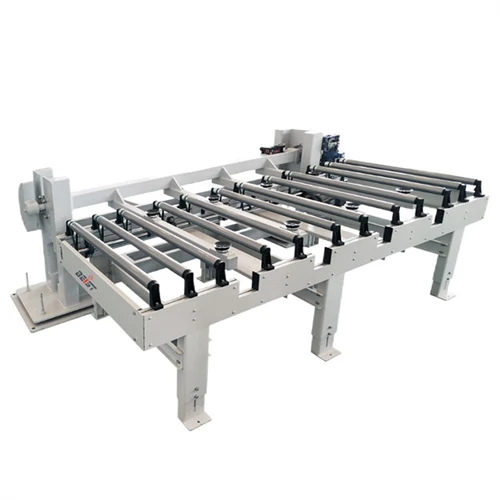
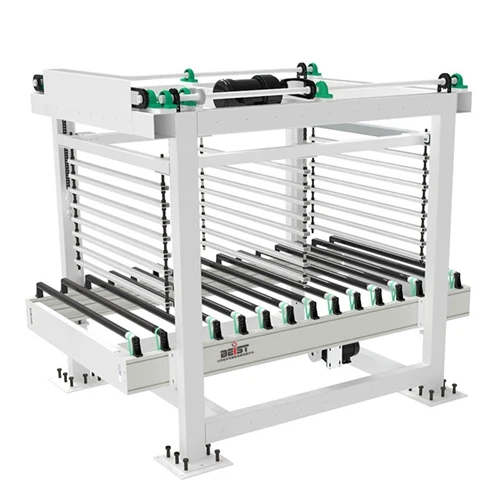
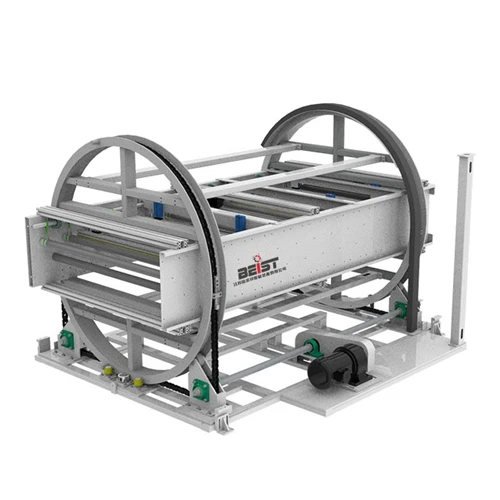
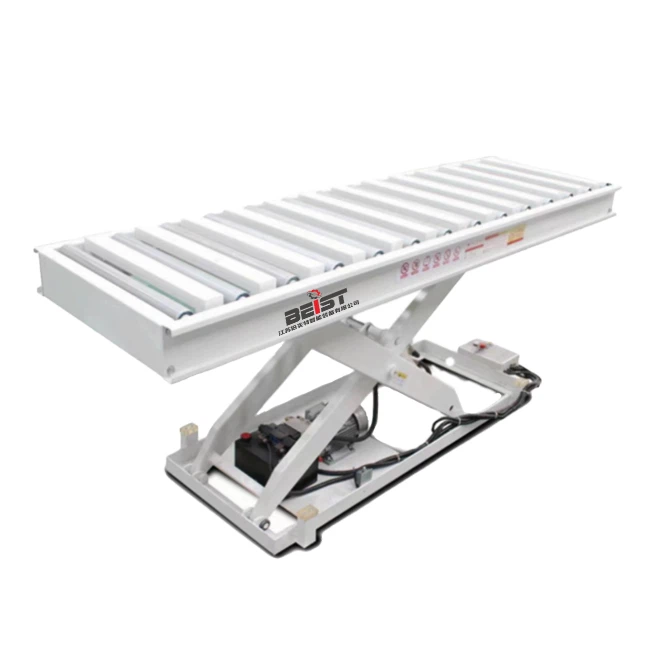
If you're in the market for a lifting table, we have some great options. Check out our Lift Table with Conveyor Top, which is perfect for handling materials with a conveyor system. Our Lifting Table with Roller Conveyor is also a great choice for smooth material transfer. And if you need a more advanced option, our Powered Roller Conveyor Lift Table offers enhanced functionality.
Conclusion
Testing the safety of a lifting table with a forklift is a multi - step process that requires careful attention to detail. By following the steps outlined in this blog, you can ensure that your lifting table is safe to use. If you have any questions or are interested in purchasing a lifting table, feel free to reach out for a procurement discussion. We're here to help you find the best solution for your needs.