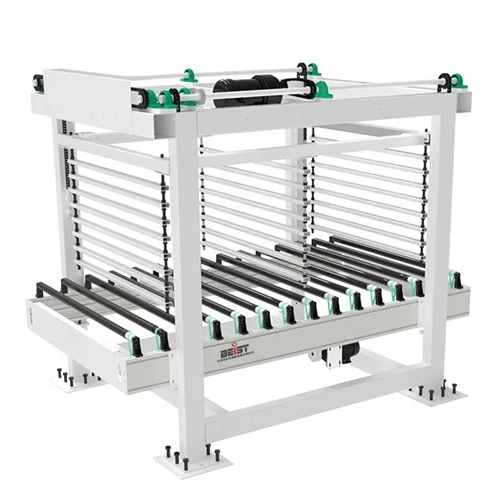
When it comes to industrial equipment, the speed of a lift table with a conveyor top is a crucial factor that directly impacts productivity and efficiency. As a supplier of Lift Table with Conveyor Top, I've encountered numerous inquiries regarding the operational speed of these versatile machines. In this blog post, I'll delve into the various aspects that determine how fast a lift table with a conveyor top can operate, exploring the influencing factors, typical speed ranges, and considerations for optimizing performance.
Factors Influencing the Speed of a Lift Table with Conveyor Top
1. Hydraulic System
The hydraulic system is the heart of most lift tables. The speed at which the lift table ascends and descends is primarily determined by the flow rate of the hydraulic fluid. A higher flow rate can result in faster lifting and lowering speeds. However, it's important to note that increasing the flow rate too much can lead to instability, excessive wear on components, and potential safety hazards. The size and power of the hydraulic pump, as well as the diameter of the hydraulic hoses, also play significant roles in determining the overall performance of the hydraulic system.
2. Conveyor Type and Design
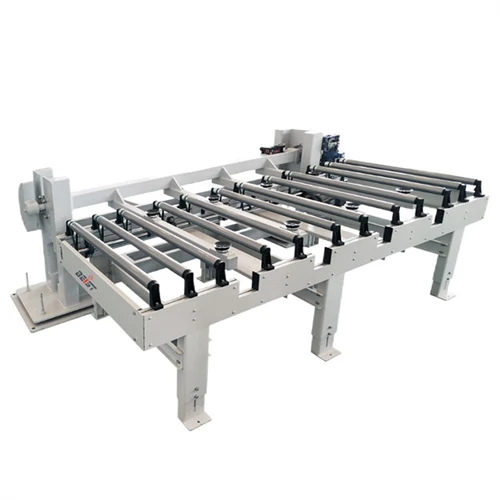
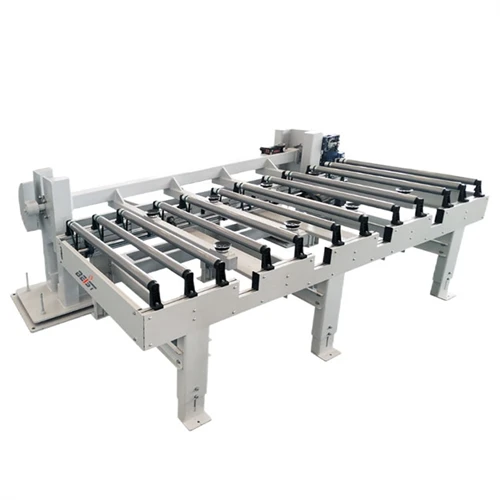
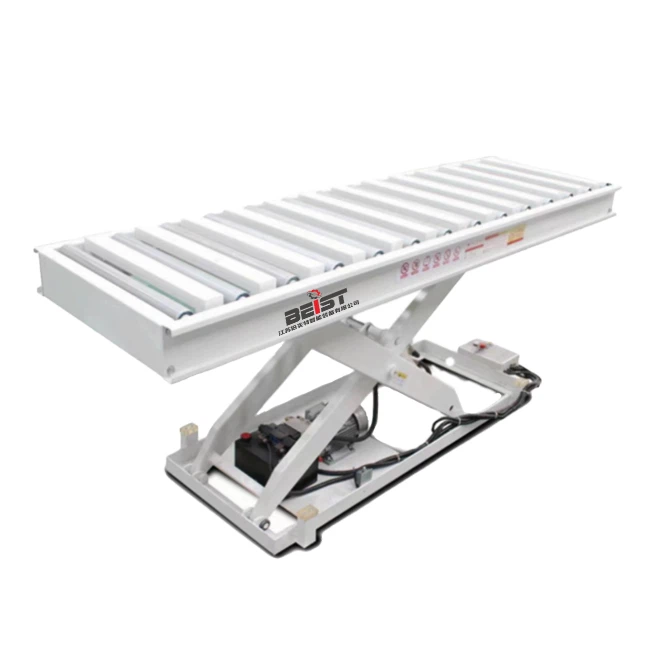
The type of conveyor used on the lift table can significantly affect its operating speed. For instance, a Lifting Table with Roller Conveyor may have a different speed capability compared to a belt conveyor. Roller conveyors are generally suitable for handling heavier loads and can operate at relatively high speeds, especially when designed with precision bearings and smooth rollers. Belt conveyors, on the other hand, offer a more continuous and smooth transfer of materials but may have a lower maximum speed due to factors such as belt tension and friction.
The length and width of the conveyor also impact its speed. Longer conveyors may require more time to move materials from one end to the other, while wider conveyors may need to operate at a slower speed to ensure the stability of the transported items. Additionally, the design of the conveyor, including the pitch of the rollers or the type of belt, can influence its efficiency and speed.
3. Load Capacity
The weight and size of the load being transported on the lift table with a conveyor top have a direct impact on its operating speed. Heavier loads require more power to lift and move, which can slow down the overall operation. The lift table's hydraulic system needs to work harder to overcome the gravitational force acting on the load, and the conveyor may also experience increased resistance. As a result, the speed of both the lifting and conveying functions may be reduced. It's essential to select a lift table with an appropriate load capacity for the intended application to ensure optimal performance.
4. Control System
The control system of the lift table with a conveyor top plays a vital role in determining its speed. Modern control systems offer a range of features that can be adjusted to optimize performance. For example, variable speed controls allow operators to adjust the lifting and conveying speeds according to the specific requirements of the task at hand. Programmable logic controllers (PLCs) can be used to automate the operation of the lift table, enabling precise control of the speed and sequence of movements. Additionally, safety features such as limit switches and sensors can be integrated into the control system to ensure safe and efficient operation.

Typical Speed Ranges
The operating speed of a lift table with a conveyor top can vary widely depending on the factors mentioned above. In general, the lifting speed of a hydraulic lift table can range from a few inches per second to several feet per second. For example, a small-capacity lift table used in a light-duty application may have a lifting speed of around 2 - 3 inches per second, while a larger, heavy-duty lift table can achieve speeds of up to 6 - 8 inches per second or even higher in some cases.
The conveying speed of the conveyor on top of the lift table also varies. Roller conveyors can typically operate at speeds ranging from 20 - 150 feet per minute, depending on the design and application. Belt conveyors can have a similar speed range, but the actual speed may be limited by factors such as belt material, tension, and the type of product being transported.
Considerations for Optimizing Speed
1. Proper Maintenance
Regular maintenance is essential for ensuring the optimal performance and speed of a lift table with a conveyor top. This includes checking and lubricating the hydraulic system, inspecting the conveyor belts or rollers for wear and damage, and tightening any loose connections. By keeping the equipment in good working condition, you can prevent breakdowns and ensure that it operates at its maximum speed and efficiency.
2. Load Management
Proper load management is crucial for maintaining the speed and stability of the lift table. Avoid overloading the equipment, as this can not only slow down the operation but also cause damage to the hydraulic system and other components. Distribute the load evenly on the conveyor to prevent uneven stress and ensure smooth movement.
3. System Design and Configuration
When selecting a lift table with a conveyor top, it's important to consider the specific requirements of your application and choose a system that is designed to meet those needs. Work with a reputable supplier who can provide expert advice on the appropriate hydraulic system, conveyor type, and control system for your operation. Customizing the design of the lift table can also help to optimize its speed and performance.
4. Operator Training
Well-trained operators are essential for maximizing the speed and efficiency of a lift table with a conveyor top. Provide comprehensive training to your operators on how to use the equipment safely and effectively, including how to adjust the speed settings and troubleshoot common issues. Encourage operators to follow best practices and report any problems or concerns immediately.
Conclusion
The speed at which a lift table with a conveyor top can operate is influenced by a variety of factors, including the hydraulic system, conveyor type and design, load capacity, and control system. By understanding these factors and taking appropriate measures to optimize performance, you can ensure that your lift table operates at its maximum speed and efficiency, improving productivity and reducing downtime in your industrial operations.
If you're in the market for a Lift Table with Conveyor Top, Lifting Table with Roller Conveyor, or an E Shape Lift Table, we're here to help. Our team of experts can provide you with detailed information and guidance to help you select the right equipment for your specific needs. Contact us today to start a discussion about your requirements and explore the possibilities of enhancing your industrial processes with our high-quality lift tables.