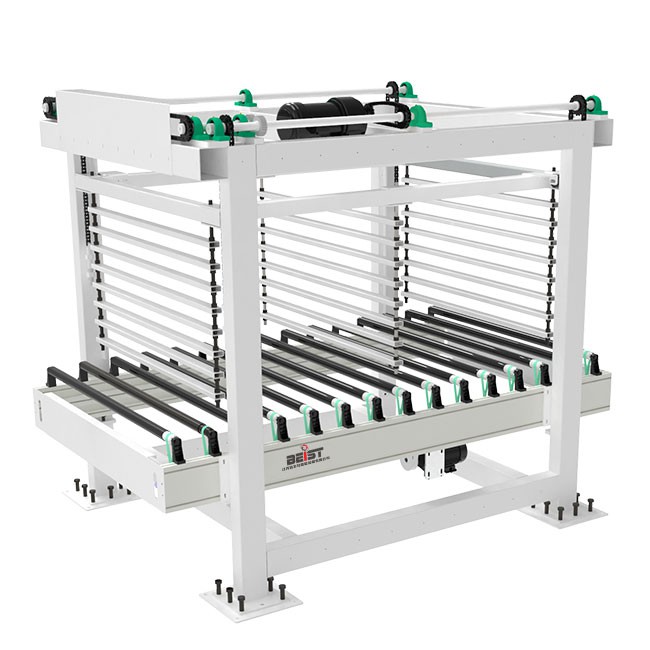
Hey there! As a supplier of Lift Table with Conveyor Top, I've seen my fair share of conveyor jams. It's a real pain in the neck, right? But don't worry, I'm here to share some tips on how to prevent those annoying jams and keep your conveyor running smoothly.
First off, let's talk about what causes conveyor jams. There are a few common culprits. One is overloading the conveyor. If you're trying to move too many items at once, it can cause the conveyor to slow down or even stop. Another cause is debris or foreign objects getting stuck in the conveyor. This can happen if there's dust, dirt, or small parts on the conveyor surface. And finally, improper alignment or tension of the conveyor belt can also lead to jams.

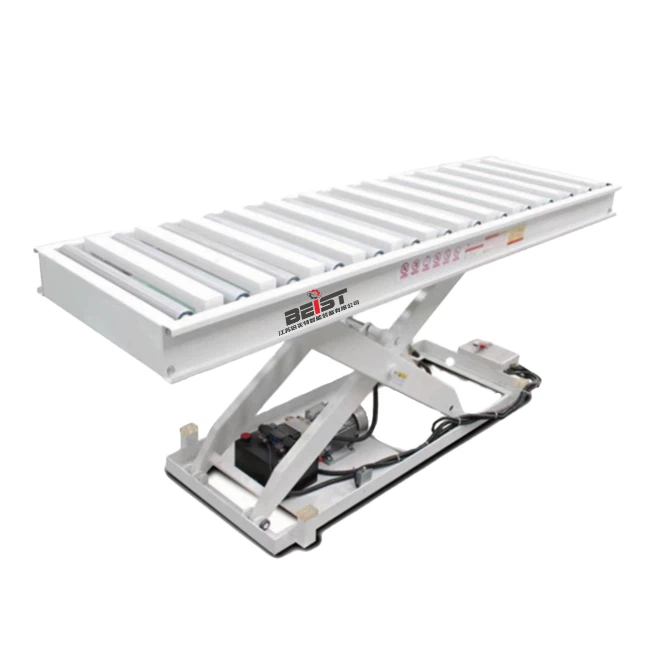
So, how can you prevent these issues? Let's start with overloading. It's important to know the weight capacity of your Lift Table with Conveyor Top and not exceed it. Make sure you're not trying to move more items than the conveyor can handle. If you need to move a large quantity of items, consider using multiple trips or a larger conveyor.
To prevent debris and foreign objects from getting stuck in the conveyor, keep the area around the conveyor clean. Regularly sweep or vacuum the floor to remove any dust or dirt. You can also install a screen or filter to catch any small parts or debris before they reach the conveyor. And if you notice any foreign objects on the conveyor, stop the conveyor immediately and remove them.
Proper alignment and tension of the conveyor belt are also crucial. Check the alignment of the conveyor belt regularly to make sure it's running straight. If the belt is misaligned, it can cause it to rub against the sides of the conveyor, leading to jams. You can adjust the alignment by loosening the tension on the belt and moving it into the correct position. Then, tighten the tension again.
The tension of the conveyor belt is also important. If the belt is too loose, it can slip or sag, causing jams. On the other hand, if the belt is too tight, it can put too much stress on the conveyor motor and other components, leading to premature wear and tear. To check the tension of the belt, you can use a tension gauge. Adjust the tension as needed to ensure the belt is running smoothly.
Another tip is to lubricate the conveyor components regularly. This can help reduce friction and wear, making the conveyor run more smoothly. Use a lubricant that's specifically designed for conveyor systems and follow the manufacturer's instructions for application.
In addition to these preventive measures, it's also a good idea to have a maintenance plan in place. Regularly inspect the conveyor for any signs of wear or damage, such as frayed belts, loose bolts, or worn bearings. Replace any worn or damaged parts as soon as possible to prevent further problems.
Now, let's talk about some specific types of Lift Table with Conveyor Top and how to prevent jams on them.
The Lift Table with Conveyor Top is a popular choice for many industries. It combines the functionality of a lift table with a conveyor, allowing you to easily move items up and down while also transporting them horizontally. To prevent jams on this type of lift table, make sure the conveyor is properly aligned with the lift table. If the conveyor is not aligned correctly, it can cause the items to get stuck as they move from the lift table to the conveyor.
The E Shape Lift Table is another type of lift table that's often used with a conveyor. This type of lift table has an E-shaped frame, which provides additional stability and support. To prevent jams on an E Shape Lift Table with a conveyor, make sure the conveyor is securely attached to the lift table. If the conveyor is loose or not properly attached, it can cause the items to shift or get stuck as they move along the conveyor.
The Lifting Table with Roller Conveyor is a type of lift table that uses rollers to move items along the conveyor. To prevent jams on this type of lift table, make sure the rollers are clean and free of debris. If the rollers are dirty or clogged, it can cause the items to get stuck as they move along the conveyor. You can clean the rollers using a brush or a compressed air gun.
In conclusion, preventing jams on the conveyor of a Lift Table with Conveyor Top is all about proper maintenance and care. By following these tips, you can keep your conveyor running smoothly and avoid costly downtime. If you have any questions or need more information about preventing conveyor jams, or if you're interested in purchasing a Lift Table with Conveyor Top, feel free to reach out. We're here to help you find the right solution for your needs.
References
- General knowledge in the field of conveyor systems and lift tables.