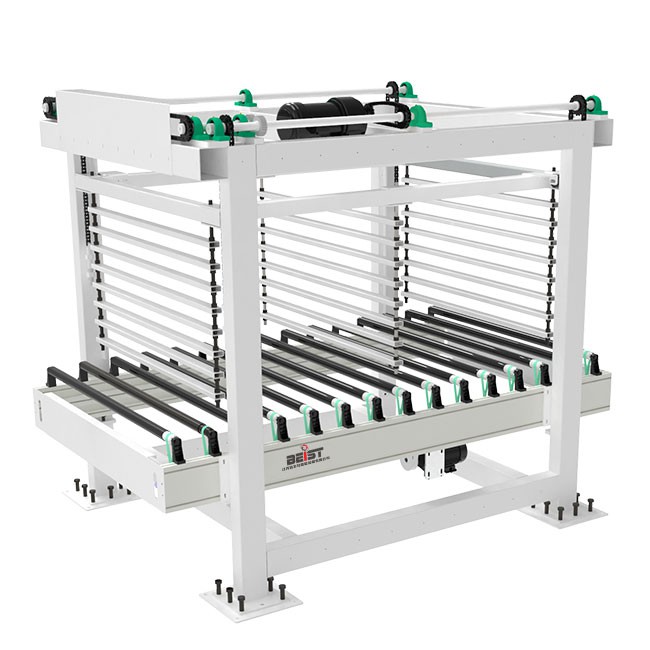
In the realm of material handling, curved roller conveyors play a pivotal role in facilitating the smooth and efficient movement of goods around corners and through complex layouts. As a seasoned curved roller conveyor supplier, I've witnessed firsthand the transformative impact that an efficient conveyor system can have on a business's operations. In this blog post, I'll share some valuable insights and practical strategies on how to enhance the efficiency of a curved roller conveyor, ensuring optimal performance and productivity.
1. Select the Right Conveyor Design
The foundation of an efficient curved roller conveyor lies in its design. When choosing a conveyor, it's essential to consider the specific requirements of your application, such as the type of materials being transported, the load capacity, the speed of operation, and the layout of your facility.
- Roller Selection: The type and size of rollers used in the conveyor can significantly affect its performance. For lighter loads, smaller diameter rollers may be sufficient, while heavier loads may require larger, more robust rollers. Additionally, consider the surface material of the rollers, as this can impact the friction and grip on the conveyed items.
- Curvature Radius: The curvature radius of the conveyor determines the minimum turning radius that the conveyor can accommodate. A smaller curvature radius allows for more compact layouts, but it may also increase the risk of jams and damage to the conveyed items. Choose a curvature radius that is appropriate for your application to ensure smooth and efficient operation.
- Frame Design: The frame of the conveyor provides support and stability for the rollers and the conveyed items. A sturdy and well-designed frame is essential for preventing sagging and misalignment, which can lead to reduced efficiency and increased maintenance costs. Consider using a modular frame design that allows for easy customization and expansion as your business grows.
2. Optimize the Conveyor Layout
The layout of your curved roller conveyor can have a significant impact on its efficiency. By carefully planning the placement of the conveyor and its components, you can minimize the distance that the goods need to travel, reduce the number of turns and bends, and eliminate bottlenecks and congestion.
- Minimize Turns and Bends: Each turn and bend in the conveyor adds resistance and increases the risk of jams and damage to the conveyed items. Whenever possible, try to minimize the number of turns and bends in the conveyor layout. If turns are necessary, use a larger curvature radius to reduce the stress on the conveyor and the conveyed items.
- Eliminate Bottlenecks: Bottlenecks occur when the flow of goods through the conveyor is restricted or interrupted. This can be caused by a variety of factors, such as narrow conveyor sections, improper roller spacing, or excessive load capacity. Identify and eliminate any bottlenecks in the conveyor layout to ensure smooth and efficient operation.
- Use Conveyor Accessories: Conveyor accessories, such as Conveyor Crossover Bridge, Ball Transfer Table Conveyor, and Gravity Roller Conveyor, can help to optimize the conveyor layout and improve its efficiency. For example, a conveyor crossover bridge can be used to allow goods to cross over the conveyor without interrupting the flow of traffic, while a ball transfer table conveyor can be used to change the direction of the conveyed items with minimal friction and resistance.
3. Maintain the Conveyor Regularly
Regular maintenance is essential for ensuring the long-term efficiency and reliability of your curved roller conveyor. By performing routine inspections, cleaning, and lubrication, you can identify and address potential problems before they become major issues, reduce downtime, and extend the lifespan of the conveyor.
- Inspect the Conveyor Regularly: Conduct regular inspections of the conveyor to check for signs of wear, damage, or misalignment. Look for loose or missing bolts, worn rollers, damaged belts, and other issues that could affect the performance of the conveyor. Address any problems immediately to prevent further damage and ensure safe and efficient operation.
- Clean the Conveyor: Keep the conveyor clean and free of debris, dust, and other contaminants. Use a brush or a vacuum cleaner to remove any dirt or debris from the rollers, belts, and other components of the conveyor. Regular cleaning helps to prevent the buildup of dirt and debris, which can cause friction and wear on the conveyor components and reduce its efficiency.
- Lubricate the Conveyor: Lubrication is essential for reducing friction and wear on the conveyor components and ensuring smooth and efficient operation. Use a high-quality lubricant to lubricate the rollers, bearings, and other moving parts of the conveyor according to the manufacturer's recommendations. Regular lubrication helps to extend the lifespan of the conveyor components and reduce maintenance costs.
4. Train Your Employees
Proper training is essential for ensuring that your employees are able to operate the curved roller conveyor safely and efficiently. By providing comprehensive training on the operation, maintenance, and safety procedures of the conveyor, you can reduce the risk of accidents, improve productivity, and ensure that the conveyor is used to its full potential.
- Provide Comprehensive Training: Train your employees on the proper operation, maintenance, and safety procedures of the curved roller conveyor. Include topics such as how to start and stop the conveyor, how to load and unload the conveyed items, how to perform routine inspections and maintenance, and how to respond to emergencies. Provide hands-on training and allow your employees to practice operating the conveyor under supervision.
- Emphasize Safety: Safety should be your top priority when operating a curved roller conveyor. Train your employees on the importance of following safety procedures, such as wearing appropriate personal protective equipment (PPE), staying clear of moving parts, and reporting any safety concerns immediately. Provide regular safety training and reminders to reinforce the importance of safety in the workplace.
- Encourage Employee Feedback: Encourage your employees to provide feedback on the operation and performance of the curved roller conveyor. They may have valuable insights and suggestions for improving the efficiency and productivity of the conveyor. Listen to their feedback and take action to address any issues or concerns that they may have.
5. Upgrade Your Conveyor System
As your business grows and your requirements change, you may need to upgrade your curved roller conveyor system to meet the new demands. Upgrading your conveyor system can help to improve its efficiency, increase its capacity, and enhance its performance.


- Consider Automation: Automation can significantly improve the efficiency and productivity of your curved roller conveyor system. Consider installing automated features such as sensors, controllers, and programmable logic controllers (PLCs) to automate the operation of the conveyor, reduce the need for manual labor, and improve the accuracy and consistency of the conveyed items.
- Increase Capacity: If your business is experiencing growth or if you need to increase the throughput of your curved roller conveyor system, you may need to consider increasing its capacity. This can be achieved by adding more rollers, increasing the width of the conveyor, or upgrading to a higher-capacity conveyor model.
- Improve Performance: If you are experiencing problems with the performance of your curved roller conveyor system, such as jams, misfeeds, or excessive noise, you may need to consider upgrading the conveyor components or the control system. Upgrading to a higher-quality conveyor system can help to improve its performance, reduce downtime, and increase the lifespan of the conveyor.
Conclusion
Improving the efficiency of a curved roller conveyor is essential for maximizing productivity, reducing costs, and ensuring the smooth and reliable operation of your material handling system. By selecting the right conveyor design, optimizing the conveyor layout, maintaining the conveyor regularly, training your employees, and upgrading your conveyor system as needed, you can enhance the performance of your curved roller conveyor and achieve your business goals.
If you're interested in learning more about how to improve the efficiency of your curved roller conveyor or if you're looking for a reliable curved roller conveyor supplier, please don't hesitate to contact us. We'd be happy to discuss your specific requirements and provide you with a customized solution that meets your needs.
References
- "Material Handling Equipment Handbook" by John A. White and Frank H. Thomas
- "Conveyor Belt Handbook" by R. W. Conveyor
- "Industrial Conveyor Technology" by A. W. Kuebler