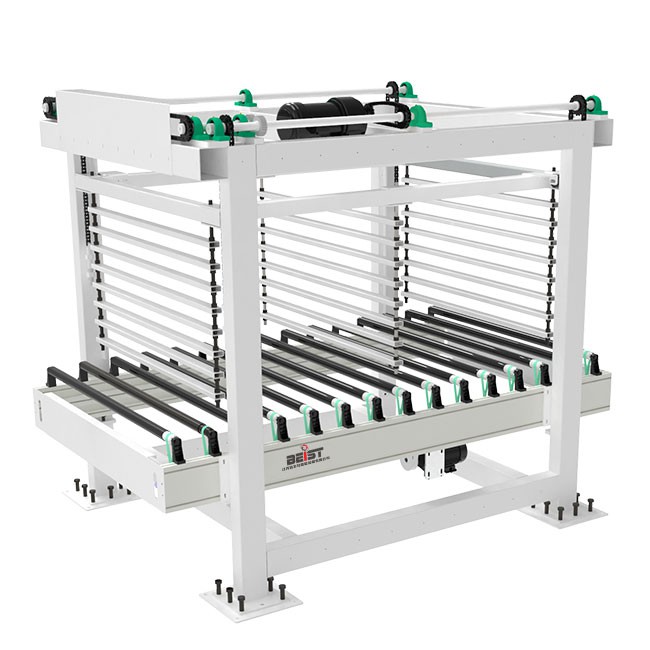
Hey there! As a supplier of Ball Transfer Table Conveyors, I get a lot of questions about how to ensure the smooth rotation of the balls in these conveyors. It's a crucial aspect because when the balls rotate smoothly, the conveyor operates efficiently, which is great for your business operations. So, let's dive right into it!
Understanding the Basics
First off, we need to understand what a Ball Transfer Table Conveyor is. It consists of a series of small balls mounted in a housing, which allow items to move in multiple directions on the conveyor surface. These conveyors are super handy in various industries, like manufacturing, warehousing, and logistics. They can handle different types of loads, from small parts to large boxes, and are known for their flexibility and ease of use.
Proper Installation
The first step to ensuring smooth ball rotation is proper installation. You need to make sure the conveyor is installed on a flat and stable surface. If the surface is uneven, it can put uneven pressure on the balls, causing them to wear out unevenly or even get stuck.
When installing the conveyor, follow the manufacturer's instructions carefully. This includes making sure the mounting holes are aligned correctly and that all the fasteners are tightened properly. A loose conveyor can cause vibrations, which will affect the ball rotation.
Regular Cleaning
Dirt, dust, and debris can really mess up the smooth rotation of the balls. So, regular cleaning is essential. You can use a soft brush or a compressed air gun to remove any loose particles from the conveyor surface and the ball housings.
For more stubborn dirt, you might need to use a mild cleaning agent. Just make sure it's compatible with the materials of the conveyor. After cleaning, dry the conveyor thoroughly to prevent rust or corrosion, which can also affect the ball rotation.
Lubrication
Lubrication plays a huge role in keeping the balls rotating smoothly. Over time, the natural lubricants in the ball bearings can wear off, causing more friction. You should use a high - quality lubricant recommended by the manufacturer.
When applying the lubricant, make sure to cover all the ball bearings evenly. You can use a small brush or a lubricant applicator to do this. Also, don't over - lubricate, as excess lubricant can attract more dirt and debris.
Inspection
Regular inspection is another key factor. You should check the conveyor for any signs of wear and tear, such as damaged balls, cracked ball housings, or loose fasteners. If you notice any problems, address them immediately.


For example, if a ball is damaged, replace it as soon as possible. Using a damaged ball can cause uneven wear on other balls and parts of the conveyor, leading to more serious problems down the line.
Right Load Management
Don't overload the conveyor. Each Ball Transfer Table Conveyor has a specific load capacity, and exceeding it can put too much stress on the balls, making them difficult to rotate. Make sure you know the load capacity of your conveyor and stick to it.
Also, distribute the load evenly across the conveyor surface. Uneven loading can cause some balls to bear more weight than others, which can lead to premature wear and reduced ball rotation.
Complementary Conveyor Solutions
If you're looking to expand your conveyor system or need different types of conveyors for specific tasks, we also offer several other options. For sorting applications, you might be interested in our Sorting Roller Conveyor. It's designed to efficiently sort items on the conveyor line.
If you need a more portable conveyor solution, check out our Roller Conveyor Cart. It's great for moving items around the warehouse easily.
And for curved conveyor paths, our Curved Roller Conveyor is the perfect choice. It allows for smooth movement of items around corners.
Contact for Purchase and Consultation
If you have any questions about our Ball Transfer Table Conveyors or other conveyor products, or if you're interested in making a purchase, don't hesitate to reach out. We're here to help you find the best conveyor solutions for your business. Just start a conversation with us, and we'll guide you through the process.
References
- Manufacturer's manuals for Ball Transfer Table Conveyors
- Industry best practices for conveyor maintenance
- Guidebooks on industrial conveyor systems