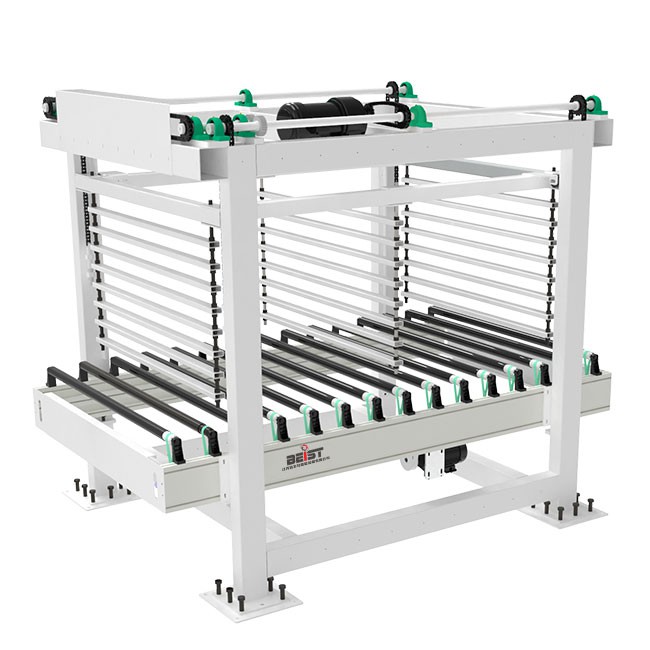
As a trusted supplier of Roller Conveyor Carts, I understand the importance of maintaining optimal performance for these essential pieces of equipment. One crucial aspect of ensuring smooth operation is adjusting the tension of the belts, if applicable, on a roller conveyor cart. In this blog post, I will guide you through the process of belt tension adjustment, highlighting its significance and providing practical tips to help you keep your roller conveyor cart in top condition.


Why Belt Tension Matters
Before delving into the adjustment process, it's essential to understand why belt tension is so crucial for the proper functioning of a roller conveyor cart. Incorrect belt tension can lead to a variety of issues, including:
- Slippage: If the belt is too loose, it may slip on the rollers, causing the conveyor to lose efficiency and potentially leading to product jams or misalignment.
- Excessive Wear: Over-tightening the belt can cause excessive stress on the rollers, bearings, and the belt itself, leading to premature wear and tear and increasing the risk of breakdowns.
- Uneven Loading: Improper belt tension can result in uneven distribution of the load across the conveyor, leading to increased wear on certain areas of the belt and rollers and potentially causing the conveyor to malfunction.
By maintaining the correct belt tension, you can ensure smooth and efficient operation of your roller conveyor cart, reduce the risk of breakdowns and maintenance costs, and extend the lifespan of your equipment.
Checking Belt Tension
The first step in adjusting the belt tension on a roller conveyor cart is to check the current tension. There are several methods you can use to do this, depending on the type of conveyor and the belt system:
- Visual Inspection: Start by visually inspecting the belt for signs of slack or excessive tension. Look for sagging or loose areas in the belt, as well as any signs of tightness or stretching.
- Deflection Test: For some conveyor systems, you can perform a deflection test to measure the belt tension. This involves applying a specific amount of force to the belt at a designated point and measuring the deflection or sag. Refer to the manufacturer's specifications for the recommended deflection range for your conveyor.
- Tension Gauge: In more precise applications, you may use a tension gauge to measure the actual tension in the belt. This tool provides a quantitative measurement of the belt tension, allowing you to adjust it accurately to the recommended specifications.
Adjusting Belt Tension
Once you have determined the current belt tension, you can proceed with adjusting it as needed. The specific adjustment process may vary depending on the design of your roller conveyor cart and the belt system. Here are some general steps to guide you through the process:
- Locate the Tensioning Mechanism: Most roller conveyor carts are equipped with a tensioning mechanism that allows you to adjust the belt tension. This may be a set of bolts, screws, or a tensioning pulley. Refer to the manufacturer's documentation to locate the tensioning mechanism for your conveyor.
- Loosen the Tensioning Mechanism: Before making any adjustments, loosen the tensioning mechanism to relieve the tension on the belt. This will make it easier to move the belt and adjust the tension.
- Adjust the Belt Tension: Depending on whether the belt is too loose or too tight, you can adjust the tension by either tightening or loosening the tensioning mechanism. Make small adjustments at a time and recheck the belt tension after each adjustment to ensure you are moving in the right direction.
- Re-tighten the Tensioning Mechanism: Once you have achieved the desired belt tension, re-tighten the tensioning mechanism to secure the belt in place. Be careful not to over-tighten the mechanism, as this can cause damage to the belt and other components.
- Test the Conveyor: After adjusting the belt tension, run the roller conveyor cart for a few minutes to ensure smooth operation. Check for any signs of slippage, noise, or vibration, and make any additional adjustments as needed.
Tips for Maintaining Proper Belt Tension
In addition to regularly checking and adjusting the belt tension, there are several other steps you can take to maintain proper belt tension and ensure the long-term performance of your roller conveyor cart:
- Keep the Belt Clean: Regularly clean the belt to remove any dirt, debris, or contaminants that may affect its performance. A clean belt will run more smoothly and reduce the risk of slippage.
- Inspect the Rollers and Bearings: Check the rollers and bearings regularly for signs of wear or damage. Replace any worn or damaged components promptly to prevent uneven loading and excessive stress on the belt.
- Follow the Manufacturer's Recommendations: Always refer to the manufacturer's documentation for specific maintenance and adjustment instructions for your roller conveyor cart. Following these recommendations will help you ensure optimal performance and avoid costly repairs.
- Train Your Staff: Provide proper training to your staff on the operation and maintenance of the roller conveyor cart, including how to check and adjust the belt tension. Well-trained staff can help prevent issues and ensure the safe and efficient operation of the equipment.
Related Products
As a Roller Conveyor Cart supplier, we offer a wide range of products to meet your specific needs. Here are some related products that you may find useful:
- Conveyor Platform for Cold Press: This conveyor platform is designed specifically for use with cold presses, providing a stable and efficient way to transfer materials.
- Roller Transfer Cart On Rail: Ideal for applications where materials need to be transferred over a long distance, this roller transfer cart runs on rails, ensuring smooth and precise movement.
- Pneumatic Roller Conveyor: This conveyor uses pneumatic power to drive the rollers, providing a reliable and energy-efficient solution for transporting materials.
Contact Us for Procurement
If you are interested in purchasing a Roller Conveyor Cart or have any questions about belt tension adjustment or our other products, please feel free to contact us. Our team of experts is ready to assist you in finding the right solution for your needs and providing you with the support and guidance you need to ensure the optimal performance of your equipment.
References
- Manufacturer's documentation for your Roller Conveyor Cart
- Industry standards and best practices for conveyor belt maintenance and adjustment