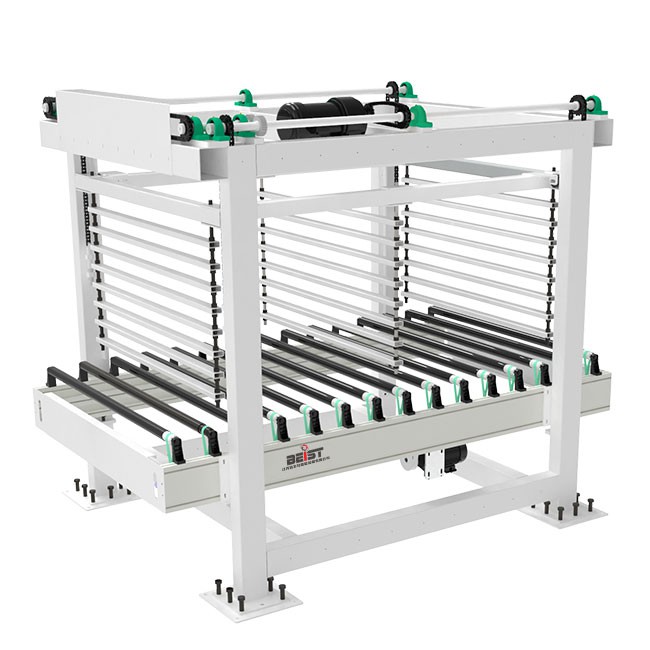
Hey there! As a supplier of hydraulic lift tables, I often get asked about how to adjust the height of these nifty machines. It's a crucial skill, whether you're using them in a warehouse, a manufacturing plant, or any other industrial setting. So, let's dive right in and explore the ins and outs of height adjustment for hydraulic lift tables.


Understanding the Basics of Hydraulic Lift Tables
First things first, let's quickly go over what a hydraulic lift table is. It's a platform that can be raised or lowered using hydraulic power. The hydraulic system consists of a pump, cylinders, and fluid that work together to create the force needed to lift heavy loads. These tables come in various shapes and sizes, like the Conveyor Lifting Table with Forklift, E Shape Lift Table, and Lifting Table with Roller Conveyor. Each type has its own unique features and uses, but the basic principle of height adjustment remains the same.
Safety First
Before you start adjusting the height of a hydraulic lift table, safety should be your top priority. Make sure the area around the table is clear of any obstacles or people. Check the table for any visible damage or signs of wear and tear. Also, ensure that the load on the table is evenly distributed and within the table's weight capacity. If you're not sure about any of these things, it's best to consult the manufacturer's manual or a professional.
Tools You'll Need
In most cases, you won't need any special tools to adjust the height of a hydraulic lift table. However, it's a good idea to have a few basic tools on hand, just in case. These may include a wrench, a screwdriver, and a level. You should also have the manufacturer's manual handy, as it will provide specific instructions for your particular model of lift table.
Step-by-Step Guide to Adjusting the Height
Now, let's get into the actual process of adjusting the height of a hydraulic lift table. Here's a general step-by-step guide:
Step 1: Power On
First, turn on the power to the hydraulic lift table. This may involve flipping a switch or pressing a button, depending on the model. Make sure the power indicator light is on and that the table is ready to operate.
Step 2: Locate the Control Panel
Next, find the control panel on the lift table. This is usually located near the base of the table or on the side. The control panel will have buttons or levers that allow you to raise or lower the table.
Step 3: Raise the Table
To raise the table, press the "up" button or move the lever in the upward direction. As you do this, you'll hear the hydraulic pump start to work, and the table will begin to rise. Keep an eye on the load and make sure it's stable as the table goes up.
Step 4: Lower the Table
To lower the table, press the "down" button or move the lever in the downward direction. The table will start to descend slowly. Again, make sure the load is stable and that there are no obstacles in the way.
Step 5: Fine-Tuning the Height
Once the table is at the approximate height you want, you may need to fine-tune it. This can be done by pressing the "up" or "down" button in short bursts until the table reaches the exact height you need. Use a level to ensure that the table is perfectly horizontal.
Troubleshooting Common Issues
Sometimes, you may encounter problems when adjusting the height of a hydraulic lift table. Here are some common issues and how to troubleshoot them:
The Table Won't Rise or Lower
If the table won't rise or lower, the first thing to check is the power supply. Make sure the power is on and that there are no loose connections. If the power is okay, check the hydraulic fluid level. If it's low, you'll need to add more fluid. You should also check for any leaks in the hydraulic system.
The Table Is Rising or Lowering Too Slowly
If the table is rising or lowering too slowly, it could be due to a problem with the hydraulic pump or a blockage in the hydraulic lines. Check the pump for any signs of damage or wear and tear. If the pump seems okay, try flushing the hydraulic lines to remove any blockages.
The Table Is Unstable
If the table is unstable or wobbling, it could be due to an uneven load or a problem with the legs or supports. Make sure the load is evenly distributed and that the legs are properly adjusted. If the problem persists, consult the manufacturer's manual or a professional.
Conclusion
Adjusting the height of a hydraulic lift table is a relatively simple process, but it's important to follow the proper safety procedures and use the right techniques. By understanding the basics of hydraulic lift tables, following the step-by-step guide, and troubleshooting common issues, you can ensure that your lift table operates safely and efficiently.
If you're in the market for a hydraulic lift table or need any assistance with your existing one, don't hesitate to reach out. We're here to help you find the perfect solution for your needs. Whether you're looking for a Conveyor Lifting Table with Forklift, an E Shape Lift Table, or a Lifting Table with Roller Conveyor, we've got you covered. Contact us today to start the procurement process and let's work together to take your operations to the next level.
References
- Manufacturer's Manuals for Hydraulic Lift Tables
- Industry Standards and Guidelines for Hydraulic Equipment