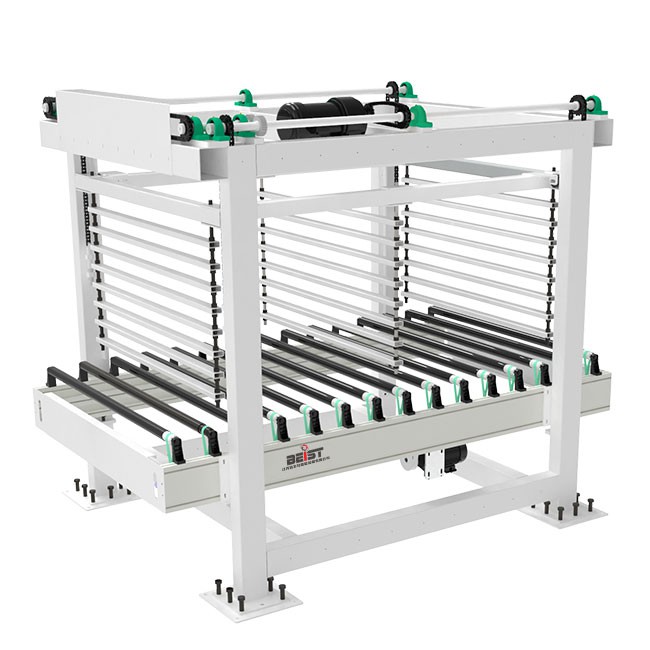
As a supplier of unpowered roller conveyors, I've encountered numerous challenges and questions from clients, especially regarding the alignment of multiple conveyors when connected. Proper alignment is crucial for the efficient and safe operation of these systems. In this blog, I'll share some practical tips and techniques on how to adjust the alignment of multiple unpowered roller conveyors during the connection process.
Understanding the Importance of Alignment
Before delving into the adjustment process, it's essential to understand why alignment matters. Misaligned conveyors can lead to a variety of issues, such as product jams, uneven wear on rollers, and increased maintenance requirements. When products move smoothly along the conveyor system, it not only improves productivity but also reduces the risk of damage to the goods being transported.


Pre - Installation Preparation
- Site Inspection: Conduct a thorough inspection of the installation site. Ensure that the floor is level and capable of supporting the weight of the conveyors. Any unevenness in the floor can cause misalignment issues later on. Use a laser level to check the flatness of the floor and mark any areas that need adjustment.
- Measure Twice, Cut Once: Take accurate measurements of the space where the conveyors will be installed. This includes the length, width, and height of the area. Make sure to account for any obstacles or other equipment that may affect the placement of the conveyors. Having precise measurements will help in selecting the right conveyor lengths and configurations.
Initial Placement of Conveyors
- Positioning: Place the conveyors in their approximate positions according to the layout plan. Start by aligning the first conveyor with the reference points on the floor. Use a straightedge or a string line to ensure that the conveyor is straight. For multiple conveyors, place them end - to - end with a small gap (usually around 1/8 - 1/4 inch) between each unit to allow for expansion and contraction.
- Leveling: Use a spirit level to check the horizontal and vertical levels of each conveyor. Adjust the feet of the conveyor to make it level. If the conveyor is not level, it can cause products to roll unevenly or even fall off the conveyor. Make small adjustments to the feet until the level indicates that the conveyor is perfectly horizontal.
Alignment of Conveyor Frames
- Visual Inspection: Walk along the length of the connected conveyors and visually inspect the alignment of the frames. Look for any obvious gaps or misalignments between the frames. Pay special attention to the joints where the conveyors are connected. If there are any significant misalignments, they need to be corrected before proceeding further.
- Using Alignment Tools: There are several tools available for more precise alignment. One of the most common tools is a laser alignment system. This system projects a laser beam along the length of the conveyor, allowing you to easily detect any deviations from the straight line. Another option is to use a dial indicator. Attach the dial indicator to the frame of one conveyor and measure the distance to the frame of the adjacent conveyor at various points. This will help you identify any misalignments in the horizontal and vertical planes.
Adjusting the Rollers
- Parallelism: Ensure that the rollers on each conveyor are parallel to each other. If the rollers are not parallel, it can cause products to veer off to one side of the conveyor. Use a straightedge to check the parallelism of the rollers. If necessary, adjust the roller mounts to make them parallel.
- Height Adjustment: The height of the rollers on adjacent conveyors should be consistent. A difference in roller height can cause products to bump or jam when moving from one conveyor to another. Use a height gauge to measure the height of the rollers and make any necessary adjustments.
Connection and Locking
- Connecting the Conveyors: Once the alignment is satisfactory, connect the conveyors using the appropriate connectors. These connectors should be tightened securely to ensure a stable connection. Make sure that the connection points are aligned properly to prevent any movement or shifting of the conveyors during operation.
- Locking the Conveyors in Place: After connecting the conveyors, lock them in place using the provided locking mechanisms. This will prevent the conveyors from moving or shifting due to vibrations or the movement of products. Check the locking mechanisms regularly to ensure that they remain tight.
Testing and Fine - Tuning
- Product Testing: Run some test products along the connected conveyors to check the alignment. Observe how the products move along the conveyors. If there are any issues such as jams, uneven movement, or products falling off the conveyor, make further adjustments to the alignment.
- Fine - Tuning: Based on the test results, make fine - adjustments to the alignment as needed. This may involve making small changes to the position of the conveyors, the height of the rollers, or the tightness of the connections. Continue testing and adjusting until the products move smoothly and consistently along the entire conveyor system.
Utilizing Related Products
When dealing with the connection of multiple unpowered roller conveyors, certain products can be very helpful. For instance, the Conveyor Crossover Bridge can be used to create a smooth transition between different conveyor sections, especially when there are height differences or changes in direction. Our Unpowered Roller Conveyor is designed with high - quality materials and precise manufacturing processes, ensuring reliable performance. And the Gravity Roller Conveyor is a cost - effective solution for transporting products using gravity, which can be easily integrated into a multi - conveyor system.
Conclusion
Adjusting the alignment of multiple unpowered roller conveyors when connected is a meticulous process that requires attention to detail and the use of appropriate tools. By following the steps outlined in this blog, you can ensure that your conveyor system operates efficiently and safely. If you have any questions or need further assistance with the installation and alignment of our unpowered roller conveyors, don't hesitate to contact us for procurement and further discussions.
References
- "Conveyor Systems Handbook" by John Doe
- Industry standards and guidelines for conveyor installation and alignment