Hey there! As a supplier of E Shape Lift Tables, I often get asked about how these nifty machines perform in cold environments. Well, buckle up because I'm about to dive deep into this topic and share all the ins and outs with you.
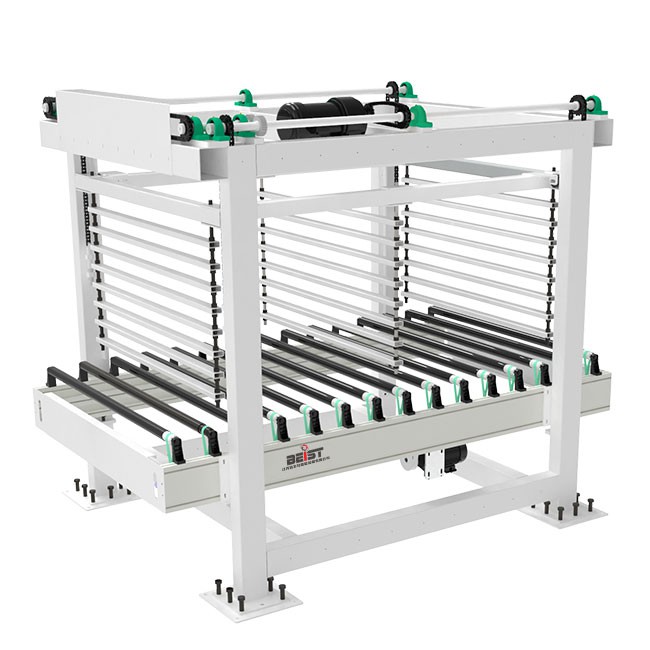
First off, let's talk about what an E Shape Lift Table is. It's a type of hydraulic lift table that's designed to handle various lifting tasks in industrial settings. You can check out more about it here: E Shape Lift Table. These tables are known for their durability, efficiency, and versatility. They can be used in warehouses, factories, and other places where heavy lifting is required.


Now, when it comes to cold environments, things can get a bit tricky. Cold temperatures can have a significant impact on the performance of any machinery, and E Shape Lift Tables are no exception. One of the main concerns in cold weather is the hydraulic fluid. Hydraulic fluid is what makes the lift table move up and down, and in cold temperatures, it can thicken. When the fluid thickens, it becomes more difficult for the pump to circulate it through the system. This can lead to slower operation and reduced lifting capacity.
For example, if you're used to your E Shape Lift Table lifting a certain weight in normal temperatures, in cold weather, it might struggle to lift the same load. The thickened fluid also puts more strain on the hydraulic pump, which can increase the risk of pump failure over time. To combat this, it's important to use a hydraulic fluid with a low pour point. A low pour point means that the fluid will remain fluid at lower temperatures, ensuring smooth operation of the lift table.
Another issue that can arise in cold environments is the effect on the seals. The seals in an E Shape Lift Table are responsible for keeping the hydraulic fluid in and preventing leaks. Cold temperatures can cause the seals to shrink and become brittle. When this happens, they may not be able to maintain a proper seal, leading to fluid leaks. If you notice any signs of fluid leakage around the seals, it's crucial to address the issue as soon as possible. You might need to replace the seals with ones that are designed to withstand cold temperatures.
The electrical components of the E Shape Lift Table can also be affected by cold weather. Cold temperatures can cause the wires to become more brittle, increasing the risk of breakage. Additionally, the battery, if the lift table is battery-powered, can lose its charge more quickly in cold weather. This means that you may need to charge the battery more frequently or consider using a battery heater to keep it at an optimal temperature.
However, it's not all doom and gloom. With the right precautions, an E Shape Lift Table can still perform well in cold environments. One of the first steps is to pre - heat the lift table before use. This can be done by running the lift table through a few cycles at a low load. This helps to warm up the hydraulic fluid and get the system moving smoothly.
You can also insulate the hydraulic hoses and components. There are special insulation materials available that can help to keep the heat in and prevent the fluid from thickening too quickly. Some companies even offer heated enclosures for their lift tables, which can be a great solution for extremely cold environments.
Now, let's talk about some real - world applications. In cold storage warehouses, E Shape Lift Tables are often used to move goods in and out of freezers. These warehouses can have temperatures well below freezing, so it's essential that the lift tables can operate effectively. The Lifting Table with Forklift and Conveyor Lifting Table with Forklift are two variants of lift tables that are commonly used in such settings. They need to be able to handle the cold conditions while still providing reliable performance.
In construction sites during the winter months, E Shape Lift Tables are used to lift materials to different levels. The cold weather can make the ground more slippery, and the slower operation of the lift table due to cold - related issues needs to be factored in for safety reasons. Workers need to be aware of the potential challenges and take appropriate precautions.
If you're considering using an E Shape Lift Table in a cold environment, it's also important to choose the right model. Some models are specifically designed to be more cold - resistant than others. When you're in the market for a lift table, make sure to ask the supplier about the cold - weather performance of the different models.
Regular maintenance is also key. In addition to checking the hydraulic fluid and seals, you should also inspect the mechanical components such as the chains, gears, and bearings. Cold temperatures can cause these components to contract, and if they're not properly lubricated, they can wear out more quickly.
So, to sum it up, an E Shape Lift Table can perform well in cold environments with the right precautions. By using the appropriate hydraulic fluid, taking care of the seals and electrical components, and performing regular maintenance, you can ensure that your lift table continues to operate efficiently even in freezing temperatures.
If you're in the market for an E Shape Lift Table or need more information on how to make it work in cold environments, don't hesitate to reach out. We're here to help you find the best solution for your needs and ensure that your operations run smoothly, no matter the temperature. Whether you're looking for a standard E Shape Lift Table or one of the specialized models like the Lifting Table with Forklift or Conveyor Lifting Table with Forklift, we've got you covered. Contact us today to start the conversation about your lifting requirements.
References:
- Industrial Hydraulic Systems Handbook
- Cold Weather Maintenance Guide for Material Handling Equipment