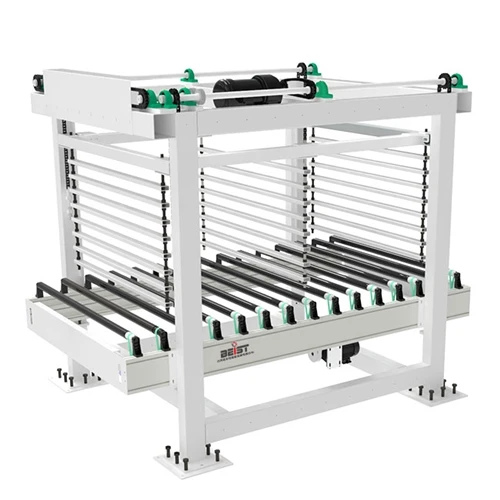
Operating a curved roller conveyor requires strict adherence to safety precautions to prevent accidents and ensure smooth operations. As a supplier of curved roller conveyors, I understand the importance of these safety measures and am here to share essential guidelines with you.
Pre - operation Safety Checks
Before starting the curved roller conveyor, a series of thorough checks should be carried out. First, visually inspect the conveyor structure. Look for any signs of damage, such as cracks in the frame, bent rollers, or loose fasteners. A damaged frame can compromise the stability of the conveyor, leading to potential collapses. Bent rollers may cause uneven movement of the conveyed items, increasing the risk of jams and spills. Loose fasteners can come off during operation, posing a hazard to both the equipment and nearby workers.
Next, check the roller rotation. Manually rotate each roller to ensure it spins freely without any obstruction. Resistance in roller rotation can lead to increased energy consumption, overheating, and premature wear of the rollers. If any roller shows signs of difficulty in rotation, it should be replaced or repaired immediately.


Inspect the conveyor's drive system, if it is a powered curved roller conveyor. Check the belts, chains, and motors for proper tension, alignment, and lubrication. A loose belt or chain can slip, causing the conveyor to malfunction. Misaligned belts or chains can cause excessive wear on the components and may even lead to breakage. Proper lubrication of the moving parts reduces friction and heat generation, extending the lifespan of the drive system.
Personal Protective Equipment (PPE)
All personnel involved in the operation, maintenance, or inspection of the curved roller conveyor should wear appropriate PPE. Safety glasses are essential to protect the eyes from flying debris, such as small particles that may be dislodged during conveyor operation. Steel - toed boots are necessary to prevent foot injuries from heavy objects that may fall or roll onto the feet.
Gloves should be worn to protect the hands from cuts, abrasions, and burns. When handling hot items on the conveyor or working with sharp - edged materials, heat - resistant or cut - resistant gloves are recommended. Additionally, ear protection may be required if the conveyor operates at a high noise level. Prolonged exposure to high - intensity noise can cause hearing loss, so wearing earplugs or earmuffs is crucial.
Operational Safety
During the operation of the curved roller conveyor, several safety measures should be followed. First, keep the work area around the conveyor clean and free of clutter. Tools, debris, and other objects left near the conveyor can get caught in the moving parts, causing jams or damage to the equipment. It can also pose a tripping hazard to workers.
Do not overload the conveyor. Each curved roller conveyor has a specified load - carrying capacity, which is determined by factors such as the size and strength of the rollers, the frame structure, and the drive system. Overloading the conveyor can lead to premature wear of the components, motor burnout, and even structural failure.
Avoid reaching into the moving parts of the conveyor while it is in operation. If an item gets stuck or there is a need to adjust something on the conveyor, stop the conveyor first and follow the proper lock - out/tag - out procedures. Lock - out/tag - out is a safety procedure that ensures the equipment is isolated from its energy source and cannot be accidentally started while maintenance or adjustment is being carried out.
Maintenance and Inspection
Regular maintenance and inspection are crucial for the safe operation of the curved roller conveyor. Establish a maintenance schedule and stick to it. This includes tasks such as cleaning the conveyor, lubricating the moving parts, and tightening loose fasteners.
Inspect the conveyor for signs of wear and tear on a regular basis. Check the rollers for signs of surface damage, such as pitting or scoring. Worn - out rollers should be replaced promptly to prevent uneven movement of the conveyed items. Inspect the belts, chains, and other drive components for signs of stretching, cracking, or excessive wear.
Keep a record of all maintenance and inspection activities. This record can help identify recurring problems, track the lifespan of components, and ensure that all necessary maintenance tasks are being carried out.
Emergency Procedures
Have clear emergency procedures in place for the curved roller conveyor. In case of a fire, there should be fire extinguishers located nearby, and all workers should be trained on how to use them. In the event of an equipment malfunction or an accident, there should be a designated emergency stop button that can immediately halt the conveyor's operation.
Evacuation routes should be clearly marked, and all workers should be familiar with them. In case of a serious accident or malfunction, the conveyor should be shut down, and the appropriate authorities should be notified.
Related Products
As a curved roller conveyor supplier, we also offer a range of related products that can enhance the functionality and safety of your conveyor system. For example, the Conveyor Crossover Bridge provides a safe way for workers to cross over the conveyor, reducing the risk of tripping or falling. The Conveyor Platform for Cold Press is designed to work in conjunction with cold - press operations, ensuring smooth and efficient material handling. The Gravity Skate Wheel Conveyor is a cost - effective and energy - efficient option for transporting lightweight items.
Conclusion
Operating a curved roller conveyor safely requires a combination of pre - operation checks, proper use of PPE, adherence to operational safety rules, regular maintenance, and well - defined emergency procedures. By following these safety precautions, you can minimize the risk of accidents, extend the lifespan of your conveyor, and ensure a productive and safe work environment.
If you are interested in purchasing a curved roller conveyor or any of our related products, we encourage you to contact us for a detailed discussion. Our team of experts is ready to assist you in finding the best solution for your material - handling needs.
References
- OSHA (Occupational Safety and Health Administration) guidelines on conveyor safety.
- Manufacturer's manuals for curved roller conveyors.
- Industry best practices for conveyor operation and maintenance.