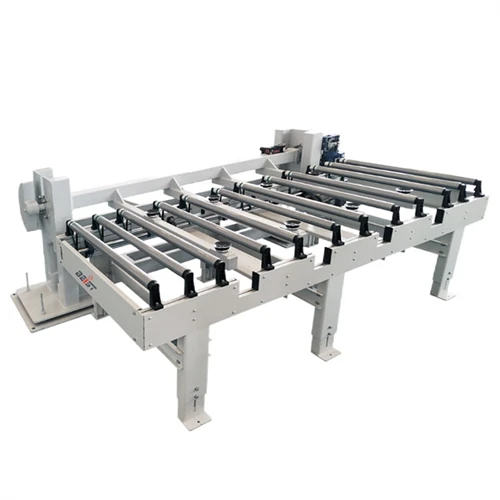
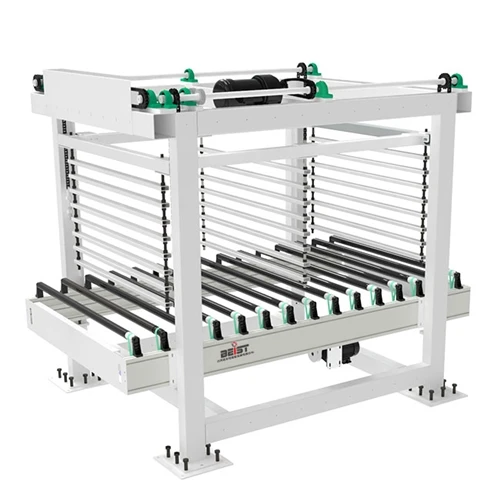
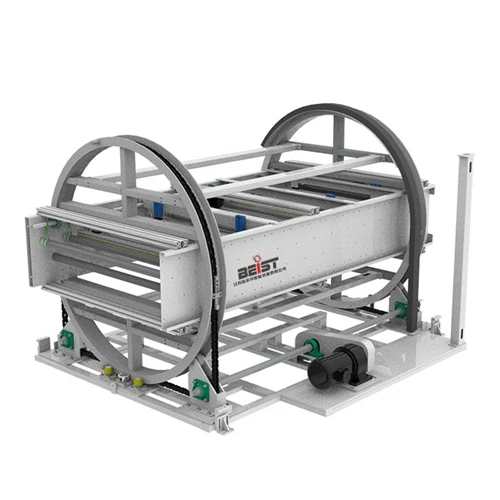
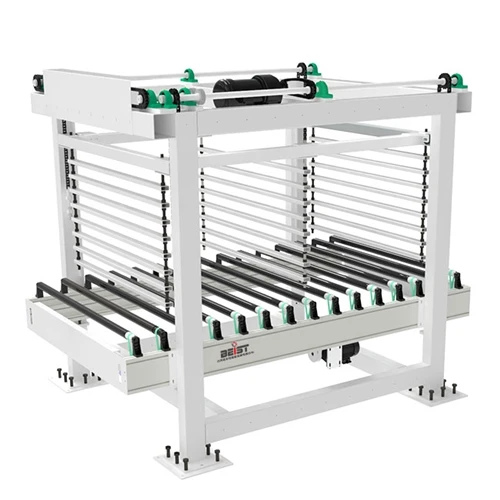
Hey there! As a supplier of pneumatic roller conveyors, I often get asked about the maximum length of these nifty machines. It's a great question, and one that doesn't have a one - size - fits - all answer. So, let's dive into the details.
Factors Affecting the Maximum Length of a Pneumatic Roller Conveyor
1. Pneumatic System Capacity
The heart of a pneumatic roller conveyor is its pneumatic system. This system uses compressed air to power the movement of rollers. The capacity of your compressor plays a huge role in determining how long your conveyor can be. A small - capacity compressor won't be able to supply enough air pressure to move the rollers along a long conveyor. If you try to extend the conveyor beyond the capacity of your compressor, you might end up with slow - moving or even halted rollers.
For instance, if you have a small - scale operation with a low - power compressor, you might be limited to a conveyor length of around 10 - 20 meters. But if you invest in a high - capacity industrial compressor, you could potentially go much longer.
2. Roller Resistance
Rollers aren't perfect machines; they have resistance. Friction between the rollers and the conveyor frame, as well as the friction between the rollers and the items being transported, all add up. The longer the conveyor, the more cumulative resistance there is. This means that as you increase the length of the conveyor, you need more force (in the form of air pressure from the pneumatic system) to overcome this resistance.
Let's say you're using regular steel rollers. They might offer a certain level of resistance. But if you switch to rollers with a special low - friction coating, you can reduce this resistance and potentially increase the maximum length of your conveyor.
3. Load Type and Weight
The type and weight of the items you're transporting on the conveyor also matter a great deal. If you're moving lightweight, small items like plastic parts, the conveyor can handle a longer length more easily. These items put less stress on the rollers and require less force to move.
On the other hand, if you're transporting heavy machinery parts or large bulk items, the conveyor has to work much harder. The extra weight increases the resistance and puts more strain on the pneumatic system. In this case, you'll likely have to limit the length of the conveyor to ensure smooth operation.
4. Conveyor Design and Layout
The design and layout of the conveyor can either help or hinder its maximum length. A straight - run conveyor is generally easier to manage than one with multiple curves or inclines. Curves add extra resistance as the items have to change direction, and inclines require additional force to move the load upwards.
If you need a long conveyor and can't avoid curves or inclines, you'll have to design it carefully. You might need to add additional pneumatic power or use special rollers to handle the added complexity.
Typical Maximum Lengths in Different Scenarios
In general, for a basic pneumatic roller conveyor in a simple, straight - run layout with a standard - sized compressor and light - to - medium - weight loads, you can expect a maximum length of around 30 - 50 meters. This range is common in small - to - medium - sized factories where space isn't a huge issue, and the conveyor is used for general material handling tasks.


However, in large - scale industrial settings, where high - capacity compressors are used and the conveyor is designed for heavy - duty loads, lengths of over 100 meters are possible. These long conveyors are often found in automotive manufacturing plants or large distribution centers, where they play a crucial role in moving parts and products over long distances.
Our Product Range and Related Offerings
At our company, we offer a wide range of pneumatic roller conveyors to suit different needs. But that's not all! We also have other great products in our unpowered conveyor lineup.
If you're looking for a more flexible solution, you might want to check out our Roller Conveyor Cart. It's a great option for moving smaller loads around the workplace and is easy to maneuver.
For applications where you need a smooth, low - friction surface, our Air Flotation Table Conveyor is the way to go. It uses air to float the items being transported, reducing friction and making it ideal for delicate or flat - bottomed products.
Another popular choice is our Gravity Skate Wheel Conveyor. It relies on gravity to move the loads, which is a cost - effective solution for certain types of material handling.
Pushing the Limits: Designing Long Pneumatic Roller Conveyors
If you're thinking about going for a really long pneumatic roller conveyor, here are some tips on how to design it for success. First, do a thorough analysis of your load requirements. Know exactly how much weight your conveyor will need to carry and what kind of items they are. This will help you choose the right rollers and pneumatic system.
Invest in a high - quality compressor. Look for one with a large reservoir and high - pressure output. This will ensure that your conveyor has a consistent supply of air pressure, even over long distances.
Use advanced roller materials. As I mentioned earlier, low - friction coatings can make a big difference. You might also consider using specialty rollers with better bearing systems to reduce resistance.
Finally, pay close attention to the layout. Try to minimize curves and inclines as much as possible. If you can't avoid them, use proper transitions and add extra support to the conveyor structure.
Contact Us for Your Conveyor Needs
So, there you have it - a detailed look at the maximum length of pneumatic roller conveyors. If you're in the market for a new conveyor, whether it's a long one for a large - scale operation or a shorter one for a small shop, we're here to help. We have a team of experts who can guide you through the selection process and ensure that you get the right conveyor for your needs.
Don't hesitate to reach out to us if you want to discuss your requirements, get a quote, or just have some questions. We're always happy to chat about all things pneumatic roller conveyors!
References
- Feo, J. A., & Kapoor, S. (2018). Conveyor Systems Handbook: Design and Operation. CRC Press.
- Kutz, M. (Ed.). (2016). Mechanical Engineers' Handbook: Materials and Engineering Mechanics. Wiley.