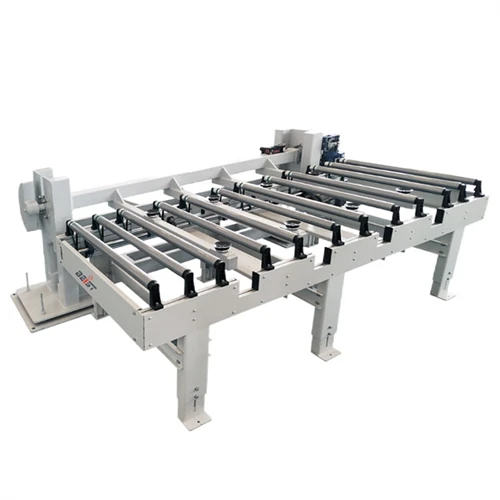
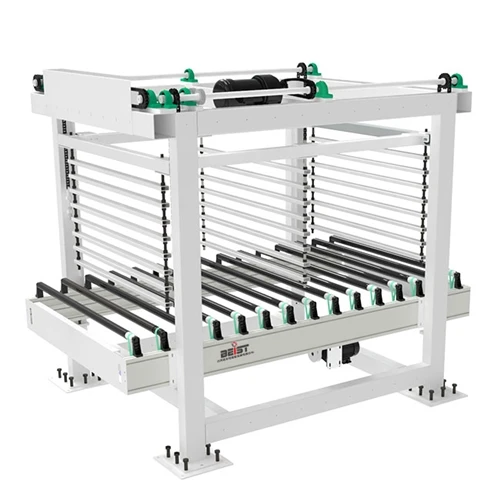
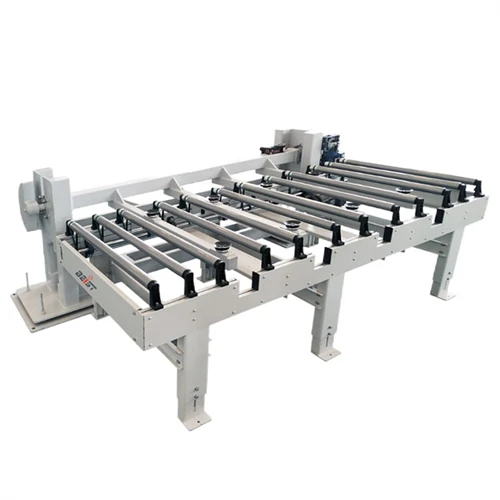
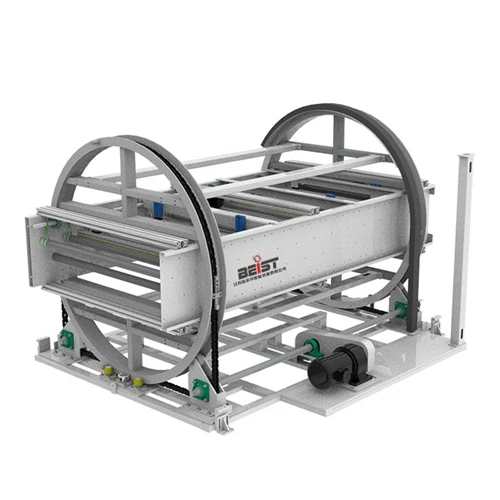
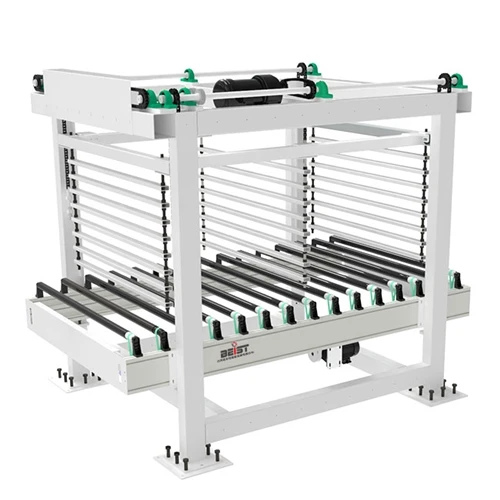
Hey there! As a supplier of Gravity Roller Conveyors, I'm super stoked to chat with you about how these nifty pieces of equipment work. Gravity roller conveyors are a staple in many industries, from manufacturing to warehousing, and they're known for their simplicity and efficiency. So, let's dive right in!
The Basics of Gravity Roller Conveyors
First things first, what exactly is a gravity roller conveyor? Well, it's a type of conveyor system that uses gravity to move items along a series of rollers. These rollers are usually mounted on a frame and can be made from various materials like steel, aluminum, or plastic. The key idea is that once an item is placed on the conveyor, gravity takes over, and the item rolls down the slope towards its destination.
How It All Works
The working principle of a gravity roller conveyor is pretty straightforward. It all starts with the slope. The conveyor is set at a slight incline, usually between 2% and 5%, depending on the type of items being transported and the surface of the rollers. This incline creates a gravitational force that pulls the items down the conveyor.
When an item is placed on the conveyor, it makes contact with the rollers. The rollers are designed to rotate freely, which reduces friction between the item and the conveyor. As the item moves forward, the rollers beneath it spin, allowing the item to glide smoothly along the conveyor.
The spacing between the rollers is also crucial. It needs to be carefully calibrated to ensure that the items are properly supported. If the rollers are too far apart, small items might fall through the gaps. On the other hand, if they're too close together, it can increase the cost of the conveyor and make it more difficult to clean.
Components of a Gravity Roller Conveyor
Let's take a closer look at the main components of a gravity roller conveyor:


- Rollers: As I mentioned earlier, the rollers are the heart of the conveyor. They come in different sizes, materials, and configurations to suit various applications. For example, some rollers are smooth, while others have a textured surface to provide better grip.
- Frame: The frame provides the structure and support for the rollers. It's typically made from steel or aluminum and can be customized to fit the specific requirements of the installation.
- End Stops: End stops are used to prevent items from rolling off the end of the conveyor. They can be fixed or adjustable, depending on the needs of the operation.
- Side Guides: Side guides are installed along the edges of the conveyor to keep the items centered and prevent them from falling off the sides.
Applications of Gravity Roller Conveyors
Gravity roller conveyors are incredibly versatile and can be used in a wide range of applications. Here are some common examples:
- Warehousing and Distribution: In warehouses, gravity roller conveyors are used to move boxes, pallets, and other items from one location to another. They're often used in conjunction with other conveyor systems, such as belt conveyors and Transfer Cart with Turntable, to create a seamless material handling solution.
- Manufacturing: In manufacturing plants, gravity roller conveyors are used to transport parts and components between different workstations. They can also be used to feed items into automated machinery.
- Packaging: Gravity roller conveyors are commonly used in packaging lines to move products from the production area to the packaging area. They can be integrated with other packaging equipment, such as labeling machines and shrink wrappers.
Advantages of Gravity Roller Conveyors
There are several advantages to using gravity roller conveyors:
- Simple and Reliable: Gravity roller conveyors have a simple design with few moving parts, which makes them reliable and easy to maintain.
- Cost-Effective: They're relatively inexpensive to purchase and operate compared to other types of conveyor systems.
- Energy-Efficient: Since they rely on gravity to move items, they don't require any external power source, which can save on energy costs.
- Flexible: Gravity roller conveyors can be easily customized to fit the specific needs of the application. They can be configured in different lengths, widths, and slopes, and can be combined with other conveyor systems to create a complex material handling solution.
Types of Gravity Roller Conveyors
There are several types of gravity roller conveyors, each designed for specific applications:
- Straight Roller Conveyor: This is the most basic type of gravity roller conveyor. It consists of a straight section of rollers and is used to move items in a straight line.
- Curved Roller Conveyor: As the name suggests, a curved roller conveyor is used to move items around a curve. It's often used in applications where space is limited or where items need to be redirected.
- Sorting Roller Conveyor: A sorting roller conveyor is designed to sort items based on their size, weight, or other criteria. It typically uses a series of diverters or gates to direct the items to the appropriate destination.
Considerations When Choosing a Gravity Roller Conveyor
When choosing a gravity roller conveyor, there are several factors to consider:
- Load Capacity: You need to determine the maximum weight and size of the items that will be transported on the conveyor. This will help you choose the appropriate roller size and spacing.
- Roller Material: The roller material should be chosen based on the type of items being transported and the environment in which the conveyor will be used. For example, if the items are heavy or abrasive, you might want to choose steel rollers.
- Conveyor Length and Width: The length and width of the conveyor should be determined based on the available space and the volume of items that need to be transported.
- Incline Angle: The incline angle of the conveyor should be carefully calibrated to ensure that the items move smoothly and at the desired speed.
Maintenance of Gravity Roller Conveyors
Proper maintenance is essential to ensure the long-term performance and reliability of gravity roller conveyors. Here are some maintenance tips:
- Regular Cleaning: The rollers and frame should be regularly cleaned to remove dirt, dust, and debris. This can help prevent damage to the rollers and ensure smooth operation.
- Lubrication: The rollers should be lubricated periodically to reduce friction and wear. Make sure to use the appropriate lubricant for the roller material.
- Inspection: The conveyor should be inspected regularly for any signs of damage or wear. This includes checking the rollers for cracks or flat spots, and the frame for any signs of corrosion or deformation.
- Replacement of Worn Parts: Any worn or damaged parts should be replaced immediately to prevent further damage to the conveyor.
Conclusion
In conclusion, gravity roller conveyors are a simple, reliable, and cost-effective solution for moving items in a variety of industries. Their working principle is based on the force of gravity, which allows them to move items without the need for external power. They're available in different types and configurations to suit specific applications, and can be easily customized to fit the needs of the operation.
If you're in the market for a gravity roller conveyor or have any questions about our products, feel free to reach out to us. We'd be happy to help you find the right solution for your business.
References
- "Conveyor Systems Handbook" by CEMA (Conveyor Equipment Manufacturers Association)
- "Material Handling Equipment: Selection, Design, and Operation" by Benjamin S. Blanchard and James W. Fabrycky