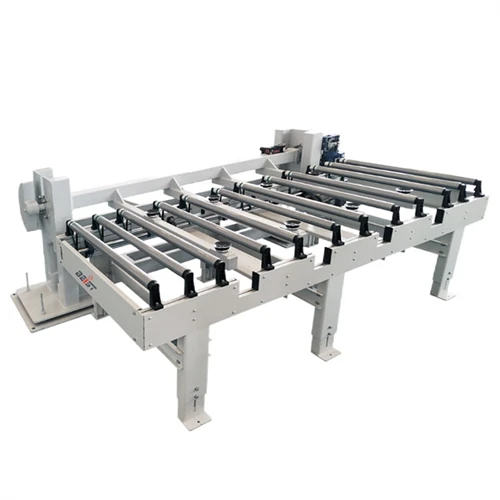
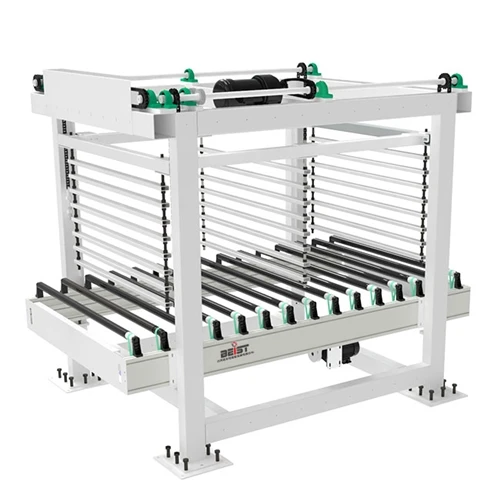
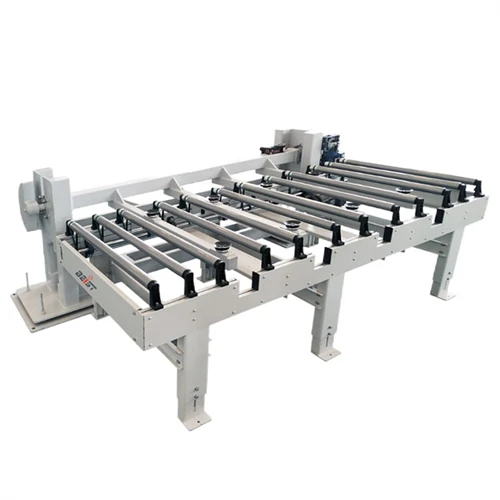
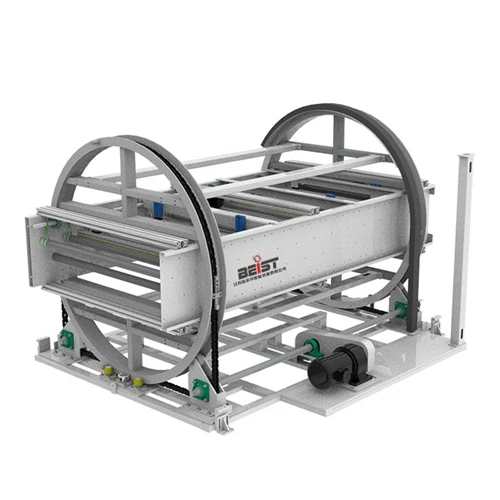
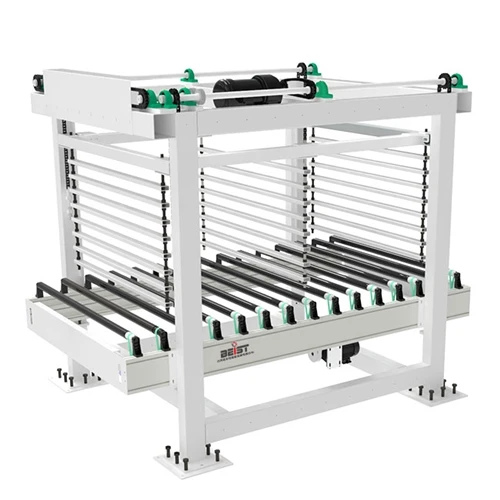
A lift table with a conveyor top is a versatile piece of equipment that combines the functionality of a lift table with a conveyor system. This combination allows for efficient movement and positioning of materials at various heights, making it a valuable asset in many industries. As a supplier of lift tables with conveyor tops, I often get asked whether this equipment can be used for furniture manufacturing. In this blog post, I will explore the potential applications of a lift table with a conveyor top in the furniture manufacturing process and discuss its benefits and limitations.


Applications in Furniture Manufacturing
Material Handling
One of the primary applications of a lift table with a conveyor top in furniture manufacturing is material handling. Furniture manufacturing involves the movement of large and heavy materials, such as wood panels, sheets of plywood, and finished furniture pieces. A lift table with a conveyor top can be used to load and unload these materials onto trucks, pallets, or other storage areas. The conveyor top allows for smooth and continuous movement of materials, reducing the need for manual handling and minimizing the risk of injury.
For example, when loading large sheets of plywood onto a truck, a lift table with a conveyor top can be positioned at the appropriate height to align with the truck bed. The plywood sheets can then be placed on the conveyor and transported directly onto the truck, eliminating the need for workers to lift and carry the heavy sheets. This not only improves efficiency but also reduces the physical strain on workers.
Assembly Line Integration
Lift tables with conveyor tops can also be integrated into furniture assembly lines. In an assembly line, various components of a piece of furniture are brought together and assembled in a sequential manner. A lift table with a conveyor top can be used to transport these components between different workstations at the appropriate height, ensuring smooth and efficient assembly.
For instance, in a cabinet assembly line, the lift table with a conveyor top can be used to transport the cabinet doors, drawers, and frames from one workstation to another. The conveyor can be programmed to stop at each workstation, allowing workers to perform their tasks and then continue moving the components to the next station. This helps to streamline the assembly process and improve productivity.
Finishing and Packaging
After the furniture is assembled, it often needs to undergo finishing processes such as sanding, painting, and staining. A lift table with a conveyor top can be used to transport the finished furniture pieces to the finishing area and then to the packaging area. The conveyor can be adjusted to the appropriate height to facilitate easy access for workers during the finishing and packaging processes.
For example, in a furniture finishing area, the lift table with a conveyor top can be used to transport the furniture pieces to a sanding machine. The conveyor can be adjusted to the height of the sanding machine, allowing the furniture pieces to be sanded smoothly. After sanding, the furniture pieces can be transported to the painting or staining area using the same lift table with a conveyor top. Finally, the finished and packaged furniture pieces can be transported to the storage or shipping area.
Benefits of Using a Lift Table with a Conveyor Top in Furniture Manufacturing
Increased Efficiency
One of the main benefits of using a lift table with a conveyor top in furniture manufacturing is increased efficiency. The combination of the lift table and conveyor system allows for quick and easy movement of materials and components, reducing the time and effort required for manual handling. This results in faster production times and higher output.
Improved Safety
Manual handling of heavy materials and furniture components can pose a significant risk of injury to workers. By using a lift table with a conveyor top, the need for manual lifting and carrying is minimized, reducing the risk of back injuries, strains, and other workplace accidents. The conveyor system also provides a stable and controlled movement of materials, further enhancing safety.
Flexibility and Customization
Lift tables with conveyor tops can be customized to meet the specific needs of a furniture manufacturing facility. The height, length, and width of the lift table and conveyor can be adjusted to fit the available space and the requirements of the production process. Additionally, the conveyor can be equipped with various features such as adjustable speed, multiple zones, and sensors to enhance functionality and efficiency.
Space Optimization
In a furniture manufacturing facility, space is often limited. A lift table with a conveyor top can help to optimize the use of space by allowing for vertical movement of materials and components. This means that materials can be stored and transported in a more compact manner, reducing the need for large storage areas and freeing up valuable floor space.
Limitations and Considerations
Initial Investment
One of the main limitations of using a lift table with a conveyor top in furniture manufacturing is the initial investment cost. These systems can be relatively expensive to purchase and install, especially for small or medium-sized furniture manufacturing businesses. However, it is important to consider the long-term benefits and cost savings that can be achieved through increased efficiency and productivity.
Maintenance and Repairs
Like any piece of equipment, lift tables with conveyor tops require regular maintenance and occasional repairs. The conveyor belts, motors, and hydraulic systems need to be inspected and serviced regularly to ensure proper operation. Additionally, if a component fails, it may require specialized knowledge and tools to repair, which can result in downtime and additional costs.
Compatibility with Existing Equipment
When considering the use of a lift table with a conveyor top in a furniture manufacturing facility, it is important to ensure that it is compatible with the existing equipment and infrastructure. The lift table and conveyor need to be able to integrate seamlessly with other machines and systems in the facility, such as assembly lines, finishing equipment, and storage systems.
Conclusion
In conclusion, a lift table with a conveyor top can be a valuable asset in furniture manufacturing. It offers numerous benefits such as increased efficiency, improved safety, flexibility, and space optimization. However, it is important to carefully consider the initial investment, maintenance requirements, and compatibility with existing equipment before making a decision.
If you are a furniture manufacturer looking to improve your material handling and production processes, I encourage you to explore the potential of a lift table with a conveyor top. As a supplier of these products, I can provide you with more information about our E Shape Lift Table, Electric Hydraulic Lift Table, and Lifting Table with Forklift. We can also work with you to customize a solution that meets your specific needs and requirements.
If you have any questions or would like to discuss your furniture manufacturing needs further, please feel free to contact me. I look forward to helping you improve your operations and achieve greater success in your business.
References
- "Material Handling Equipment for Furniture Manufacturing." Material Handling Industry of America.
- "Conveyor Systems in Manufacturing." Manufacturing.net.
- "Lift Tables: Applications and Benefits." Industrial Equipment News.