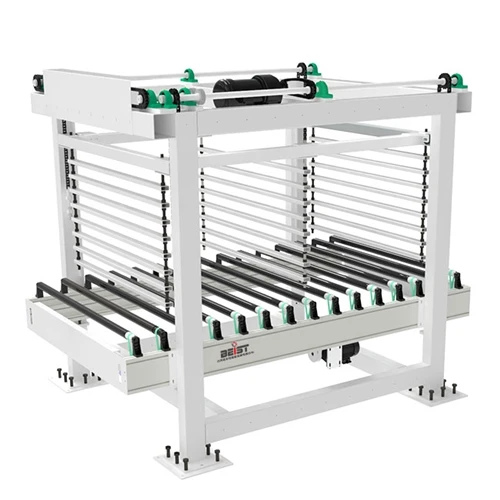
Hey there! As a supplier of Cross Conveyors, I often get asked about the speed range of these nifty machines. So, I thought I'd take a few minutes to break it down for you.
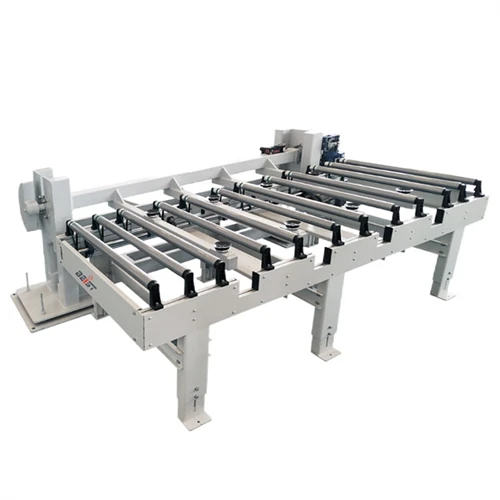
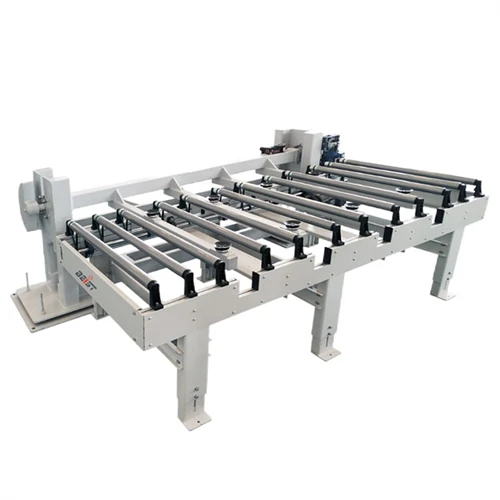
First off, let's talk about what a cross conveyor is. It's a type of conveyor system that's designed to move materials at a right angle to the direction of the main conveyor. This is super useful in a variety of industries, like manufacturing, warehousing, and logistics, where you need to transfer products between different lines or stations.
Now, the speed range of a cross conveyor can vary quite a bit depending on a few factors. One of the main factors is the type of material you're moving. If you're dealing with lightweight, small items, you can usually run the conveyor at a higher speed. On the other hand, if you're moving heavy or bulky items, you'll need to slow things down to ensure safe and efficient transportation.
Another factor that affects the speed range is the design and construction of the conveyor itself. High - quality cross conveyors with advanced drive systems and well - engineered components can generally handle higher speeds. For example, conveyors with precision - made rollers and powerful motors can operate smoothly even at faster rates.
Typically, the speed range of a cross conveyor can start from as slow as 0.1 meters per second. This slow speed is great for applications where you need to handle delicate or fragile items. You don't want to jostle those breakable products around too much, right? At this slow pace, you can carefully transfer things like glassware, electronic components, or small, easily - damaged parts.
On the upper end of the spectrum, some cross conveyors can reach speeds of up to 2 meters per second or even higher in certain industrial settings. When you're in a high - volume production environment, like a large - scale food processing plant or an automotive assembly line, you need to move products quickly to keep up with the demand. At these faster speeds, cross conveyors can rapidly transfer items between different production stages, helping to increase overall productivity.
But here's the thing: running a cross conveyor at its maximum speed isn't always the best idea. There are some trade - offs. At higher speeds, there's more wear and tear on the conveyor components. The rollers, belts, and motors have to work harder, which can lead to more frequent maintenance and a shorter lifespan for the equipment. Also, there's a higher risk of product damage if the items aren't properly secured or if the conveyor isn't well - calibrated.
So, when you're choosing a cross conveyor, it's important to consider your specific needs. Think about the type of products you'll be moving, the volume of items, and the layout of your facility. If you're not sure what speed range is right for you, that's where we come in. As a cross conveyor supplier, we have the expertise to help you select the perfect conveyor for your operation.
Now, let me tell you a bit about some related products that can work in tandem with cross conveyors. A Powered Roller Conveyor is a great addition. It can be used to feed items onto the cross conveyor or take them away after they've been transferred. Powered roller conveyors are known for their reliability and ability to handle a wide range of product sizes and weights.
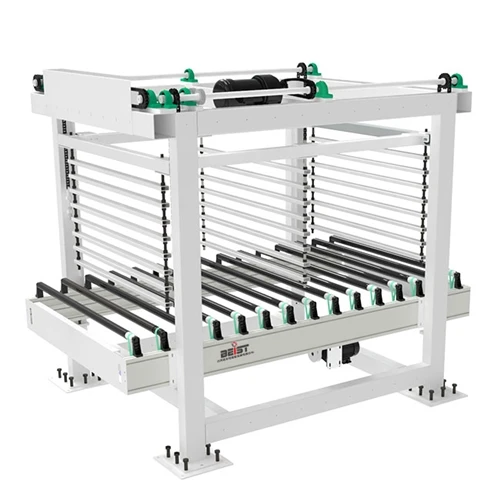
Another interesting option is the RGV Single Row Power Tour Car. This is a type of automated guided vehicle that can work in conjunction with cross conveyors to move products around a warehouse or factory floor. It adds an extra level of flexibility to your material handling system.
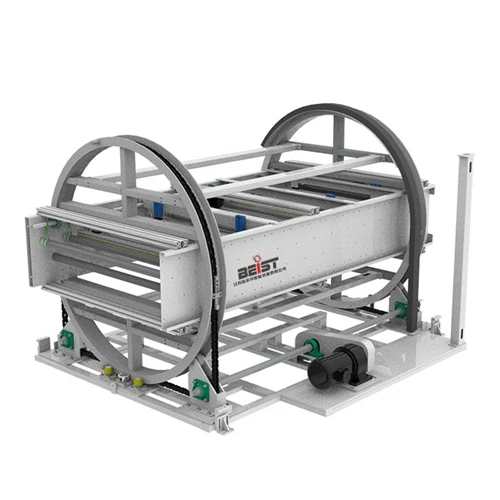
And if you need to flip or rotate products during the transfer process, the Automatic Flip Machine is a game - changer. It can be integrated with cross conveyors to perform specific tasks like turning over products for labeling or inspection.
In conclusion, the speed range of a cross conveyor is quite flexible, and it can be tailored to fit your unique requirements. Whether you need a slow - moving conveyor for delicate items or a high - speed one for rapid production, we've got you covered. We've been in the business for years, and we know how to build and install cross conveyors that work efficiently and reliably.


If you're interested in learning more about our cross conveyors or any of our other products, don't hesitate to reach out. We're always happy to have a chat and discuss how we can help you improve your material handling processes. Whether you're just starting to plan a new facility or looking to upgrade your existing system, we're here to offer our expertise and support.
References
- Conveyor Handbook: A Guide to Conveyor Systems and Components, Industrial Press
So, what are you waiting for? Let's start this conversation and find the perfect cross conveyor solution for you!